Hunting in Waikato
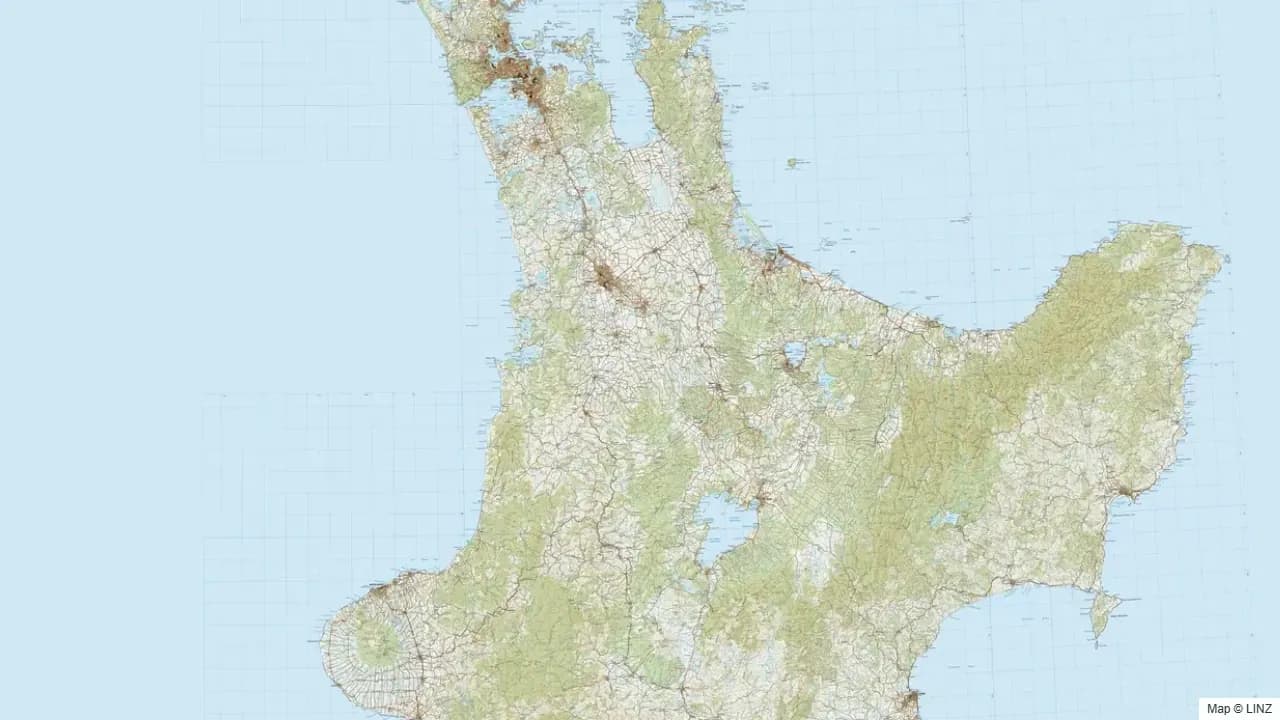
Overview
Waikato is the largest and most diverse hunting region in the North Island. It stretches from the Coromandel Peninsula on the east coast, across the Waikato lowlands and the Volcanic Plateau, through the beech-podocarp forests ringing Lake Taupō, and out into the King Country's broken hill and bush country on the west. The Kaimanawa Forest Park and Tongariro National Park together form the world's most productive accessible sika deer habitat; Pureora is the North Island's premier red deer forest; the Coromandel holds a long-established fallow population; and the western King Country blocks offer some of the best pig hunting in New Zealand.
No single character defines Waikato hunting — the Kaimanawa back-country sika roar is as different from a day's pig hunting in the Whareorino as it is possible to be while still hunting in the same administrative region. What unifies the region is that almost all of it is accessible by road to within a few kilometres of the bush, with an extensive hut network filling the back country.
What You Can Hunt
- Sika deer — the headline species. Kaimanawa and the Tongariro Plateau hold the densest accessible sika population in the world. These are the animals on which most North Island deer hunting culture is built.
- Red deer — strong throughout the region, with the highest densities in the Pureora and the western Kaimanawa catchments. Mixed herds of red and sika are typical in the Kaimanawa.
- Fallow deer — established in the Coromandel Forest Park and pockets of the Rotorua Lakes fringe. The Coromandel roar blocks are the most productive public-land fallow hunting in the North Island.
- Wild pig — abundant across the King Country, Coromandel, and through many of the Taupo-area reserve blocks. The western King Country blocks around Whareorino and Tawarau are nationally regarded pig hunting.
- Wild goat — common in the western King Country, along the Coromandel coast, and on the rocky faces of Tongariro and Pirongia.
Where to Hunt
The region breaks into five distinct hunting landscapes:
- Kaimanawa Forest Park — 74,000 ha of beech-covered ranges east of Lake Taupō. Red deer, sika, and pig throughout. A dense hut and track network. This is the single most sought-after sika hunting block in New Zealand; the roar from late March through May draws hunters from across the country.
- Tongariro National Park — the two Waikato permit areas together cover more than 150,000 ha of volcanic plateau, lava desert, and the flanks of Ruapehu, Ngāuruhoe, and Tongariro. Sika, red deer, pig, and goat. Open country on the plateau; dense beech and tussock on the lower flanks.
- Pureora Forest Park and surrounding blocks — a large podocarp and beech forest west of Lake Taupō, with the 17,000 ha Pureora Recreational Hunting Area (RHA) at its core plus several surrounding conservation areas. Red deer in abundance; sika on the eastern side.
- Coromandel Forest Park — 48,000 ha of steep kauri-podocarp bush on the Coromandel Peninsula, with three dedicated roar blocks (Moehau, Otama, Whenuakite) for fallow deer during the rut in March–April. Red deer, fallow, and pig throughout the broader park.
- Western King Country — a scattered mosaic of conservation areas and scenic reserves between Te Kuiti and the Tasman coast. The standout blocks are Whareorino (16,000 ha) and Tawarau (4,000 ha), both classic pig and goat country; smaller blocks are spread right down to the coast. Some red deer are present, but pig and goat dominate.
Getting In
- Road — virtually every block in the region is accessible to within a few kilometres by sealed or gravel road. State Highways 1, 3, and 32 frame the King Country and Tongariro; SH 25 and 25A serve the Coromandel; SH 38 and the Napier–Taupō road frame the Kaimanawa and eastern Pureora access.
- Foot — once at the road end, hunting is on foot. The Kaimanawa hut network is one of the most developed in the North Island; Pureora and Tongariro are also well tracked. The King Country blocks are typically shorter walk-ins from the road.
- Air — fixed-wing landing strips at Boyd, Oamaru, and a handful of other Kaimanawa locations. Helicopter access into the Kaimanawa back country is common for multi-day sika trips but is subject to ongoing DOC policy review in parts of the park. Tongariro and Pureora are largely road-accessible; helicopter is rarely the primary access.
- Water — limited. Jet boats are occasionally used on the lower Rangitīkei and Whanganui for access into the southern Kaimanawa and Tongariro fringe, but foot and vehicle access dominates.
Seasons & Weather
The Waikato hunting calendar is driven by the sika and red roar in autumn, with pig hunting strong year-round.
| Period | What's happening | Notes |
|---|---|---|
| Mar–Apr | Red roar, early sika roar | Red deer roar peaks late March; sika begins later. Coromandel fallow roar runs parallel. |
| Apr–May | Sika roar peak | Late April through May is peak sika roar in the Kaimanawa and Tongariro — the most sought-after period in North Island hunting. |
| Jun–Aug | Winter | Snow on the Tongariro Plateau and Kaimanawa tops; deer drop into the valley bush. Excellent quiet-season meat hunting. |
| Sep–Nov | Spring | Velvet stags appearing; pig hunting strong as the ground firms up after winter rain. |
| Dec–Feb | Summer | Hot through the lowlands; bush hunting limited to dawn and dusk. The tops of Tongariro are accessible. |
Weather across Waikato varies enormously by subregion. The Coromandel Peninsula catches every east-coast weather system and can be wet at any time of year. The Kaimanawa and Tongariro are exposed to both coasts through the central plateau — rapid weather changes and heavy snow outside the summer window are normal. The King Country is among the wetter western North Island, particularly toward the coast.
Gear & Conditions
Waikato's diversity of country demands flexibility. For sika hunting in the Kaimanawa and Tongariro, the style is primarily bush stalking and roaring in — medium-length rifles in 6.5mm through .308 work well; shots are typically inside 150 metres in the bush. Open Tongariro Plateau country extends those distances considerably. For pig hunting in the King Country, a short-handled knife, a first-aid kit for dogs, and confidence in tight scrub matter more than the rifle. Coromandel fallow roar blocks are thick kauri and regenerating scrub — short-barrelled, quick-handling rifles suit.
All North Island bush carries kauri dieback risk; clean and spray boots and gear where hygiene stations are provided. The Kaimanawa and Tongariro back country requires multi-day food and gear for weather hold-ups — the plateau in particular can be snowbound quickly outside summer.
Permits & Regulations
A free DOC hunting permit is required for all public conservation land in the region. Different permit areas apply depending on the block — Kaimanawa, Tongariro, Pureora, Coromandel, and the various western King Country blocks each operate under their own permit area terms. The Coromandel roar blocks (Moehau, Otama, Whenuakite) operate under a ballot during the fallow rut — apply in advance. Some Kaimanawa blocks have had ballot restrictions in recent years; check current DOC terms before planning. The Pureora Recreational Hunting Area is an ordinary permit area with year-round open hunting. Pig dog hunting is allowed on conservation land subject to current dog-control conditions and 1080 operation status — check before taking dogs into the Kaimanawa or Pureora in particular. Some blocks operate under Tūhoe or Ngāti Tūwharetoa co-governance arrangements; current access conditions should be checked before travel.
Open the Map
Open Waikato in the full hunting map →
Kaimanawa, Tongariro, Pureora, Coromandel, and the King Country blocks — hunting areas, tracks, huts, and current pesticide operations.
Useful Links
Game animals in Waikato
Hunting areas in Waikato
127 DOC hunting blocks — species, huts, access and an interactive map for each.
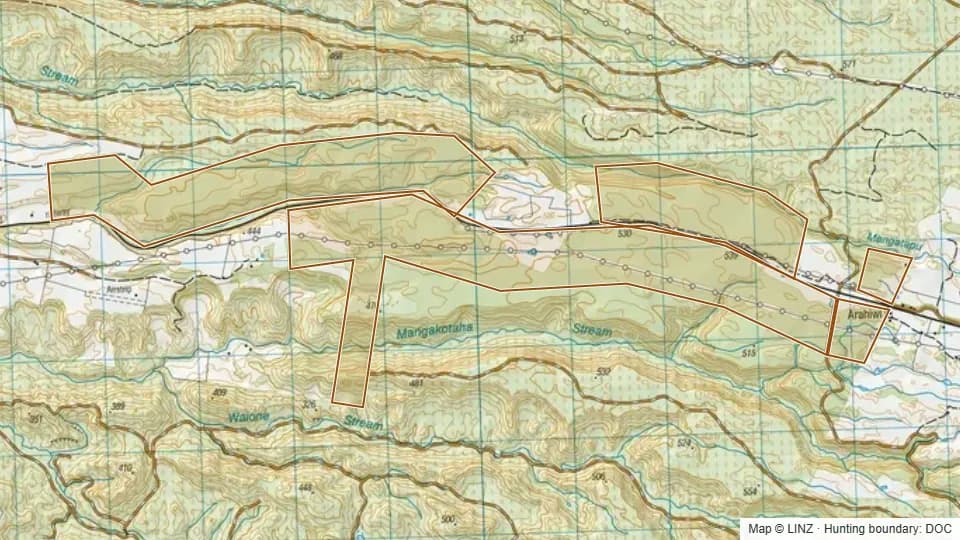 Arahiwi Scenic Reserve926 ha
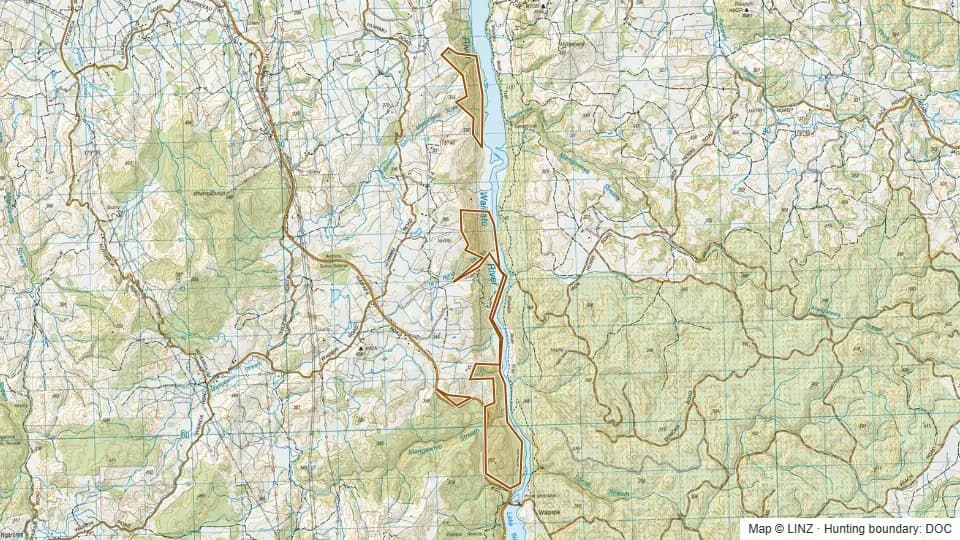 Arapuni Scenic Reserve278 ha
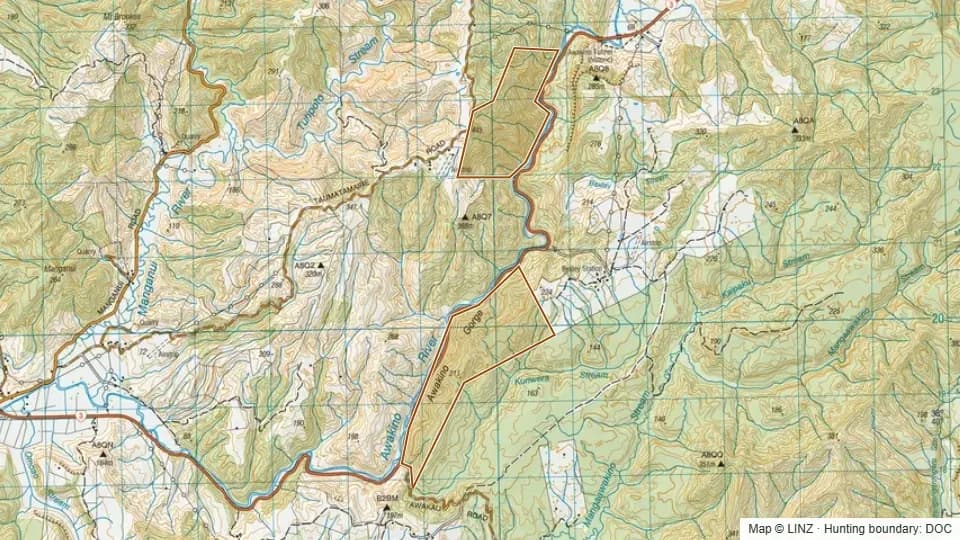 Arorangi Scenic Reserve313 ha
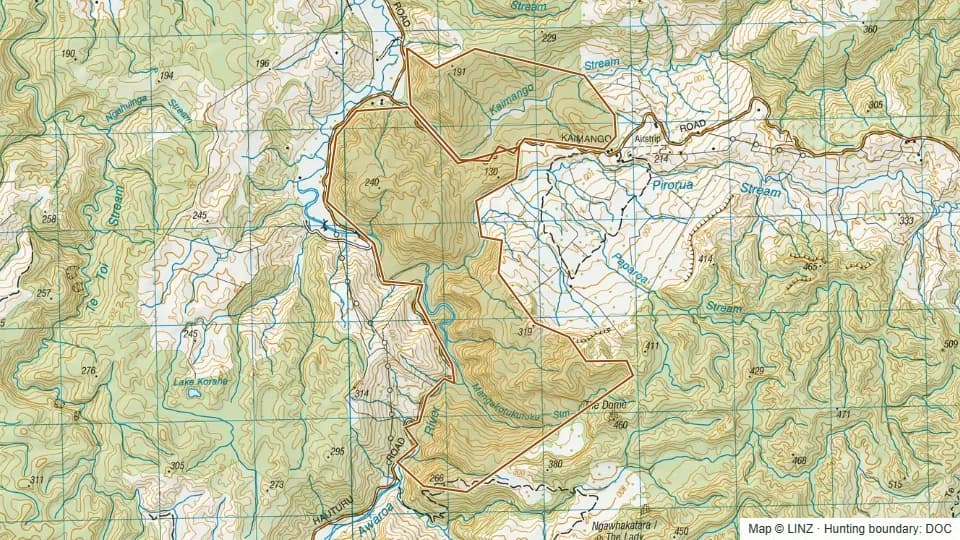 Awaroa Scenic Reserve701 ha
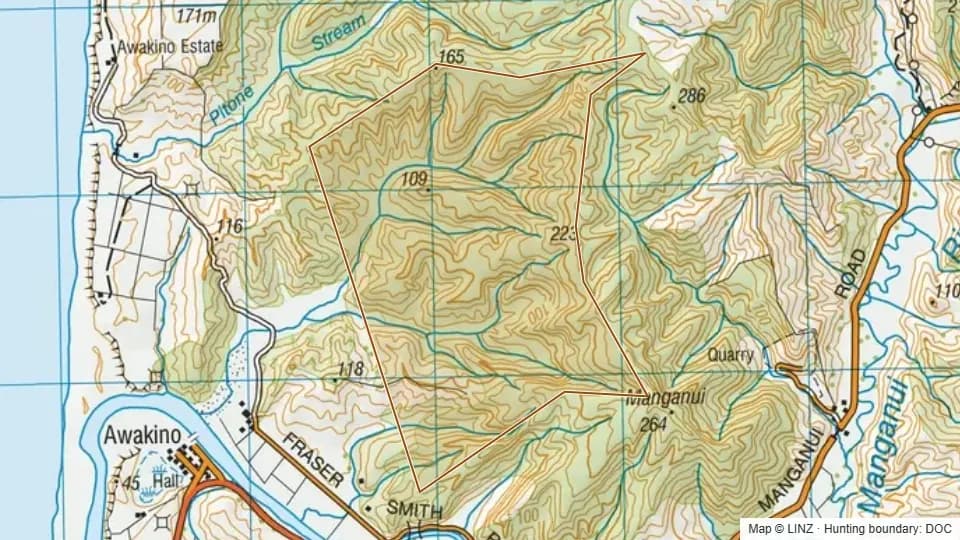 Conservation Area - Awakino256 ha
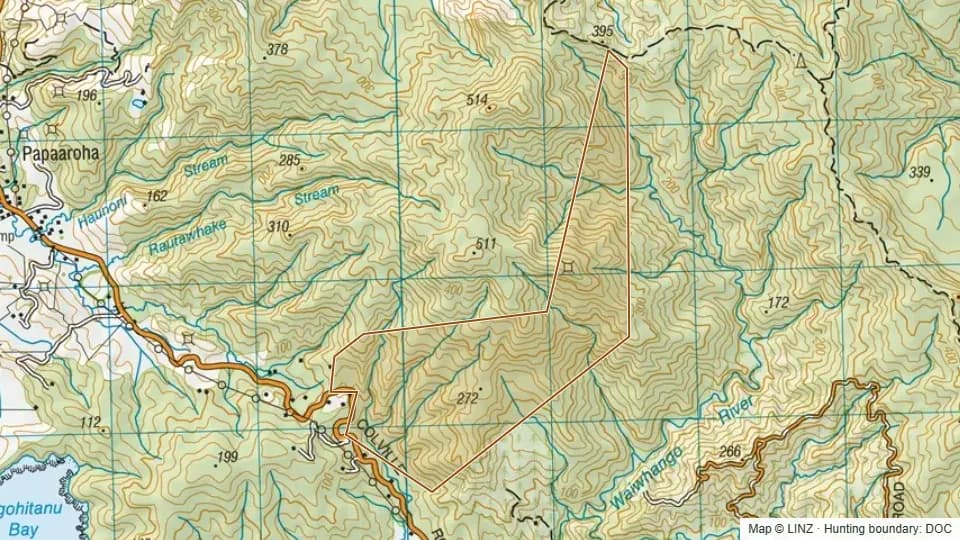 Conservation Area - Goldsmith Block196 ha
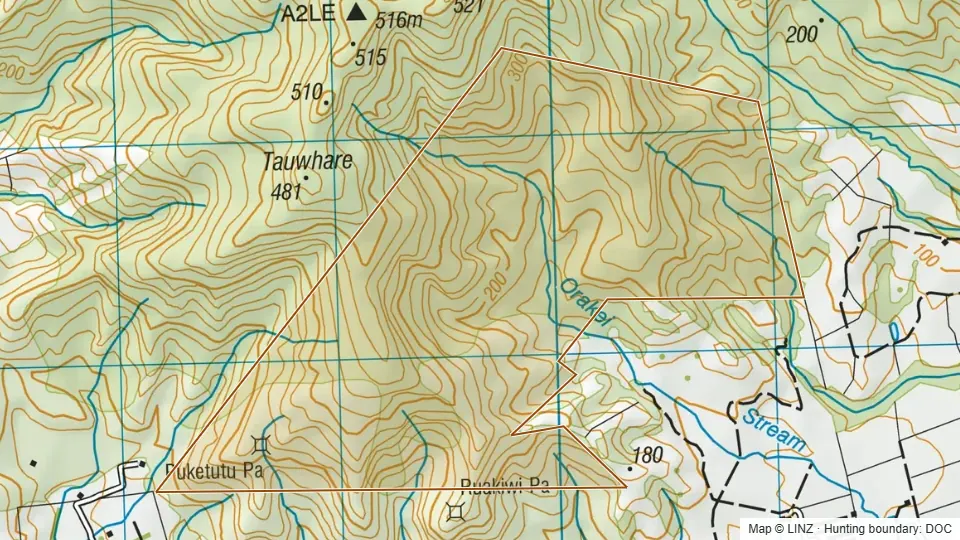 Conservation Area - Hapuakohe318 ha
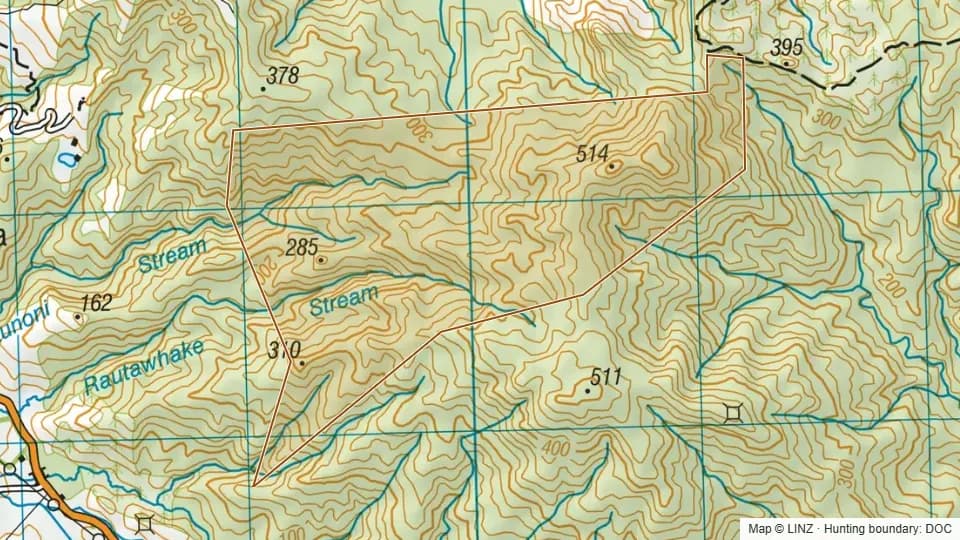 Conservation Area - Haunoni Headwater216 ha
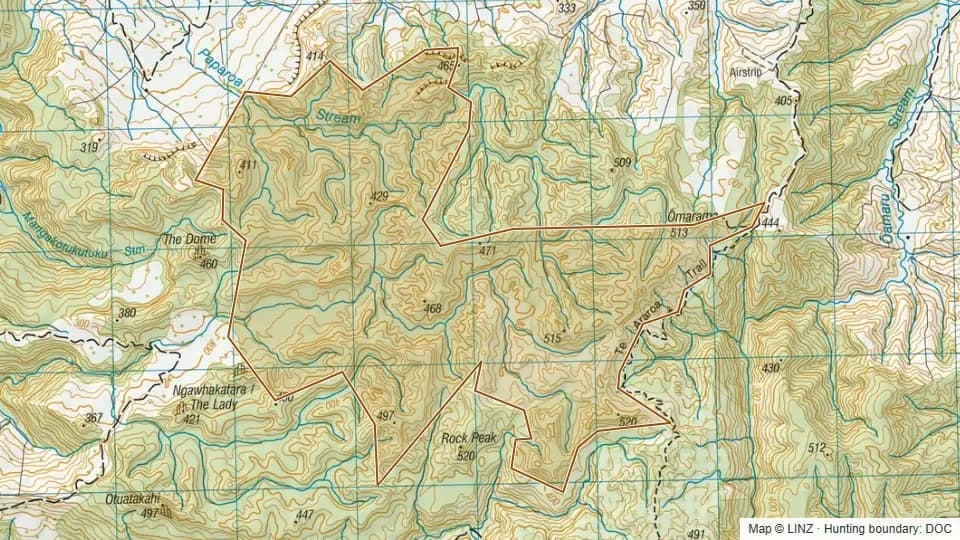 Conservation Area - Hauturu east800 ha
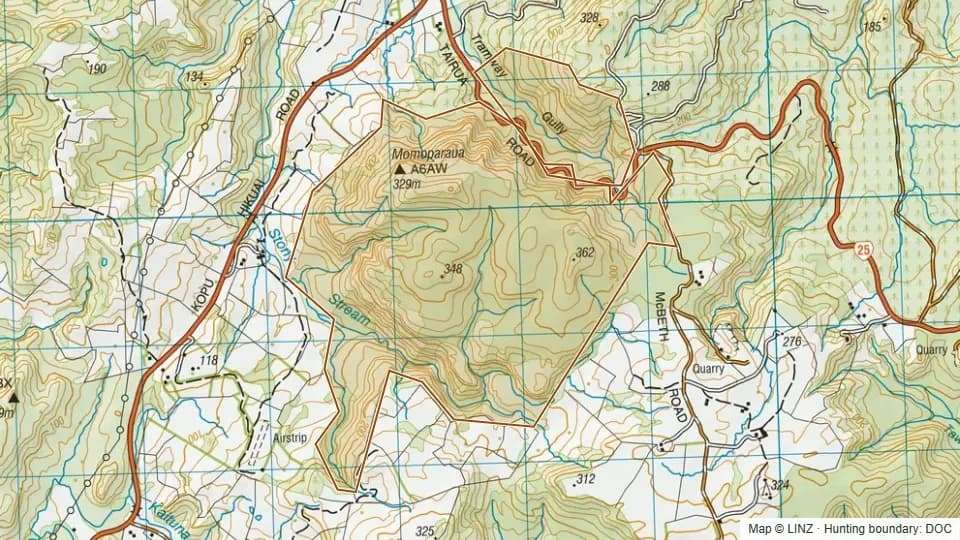 Conservation Area - Hikuai592 ha
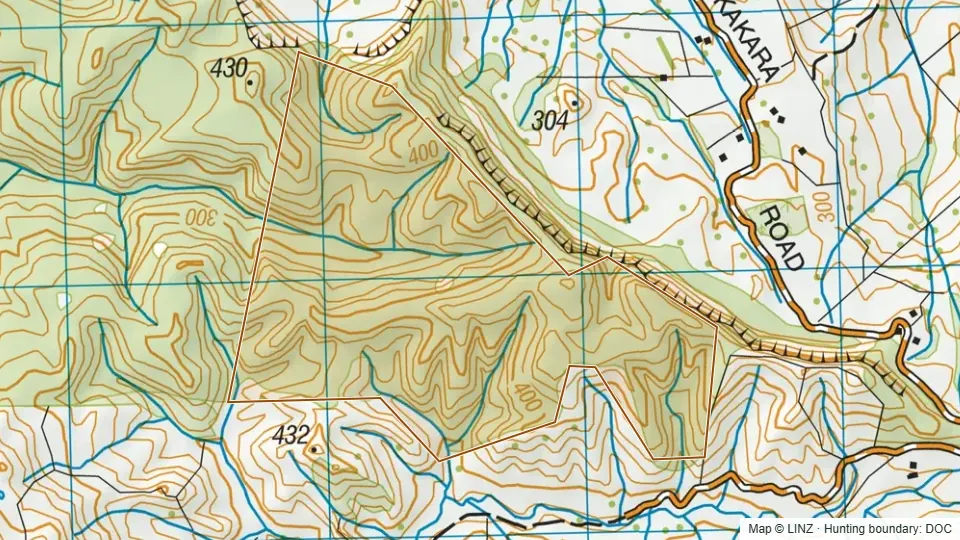 Conservation Area - Kakara168 ha
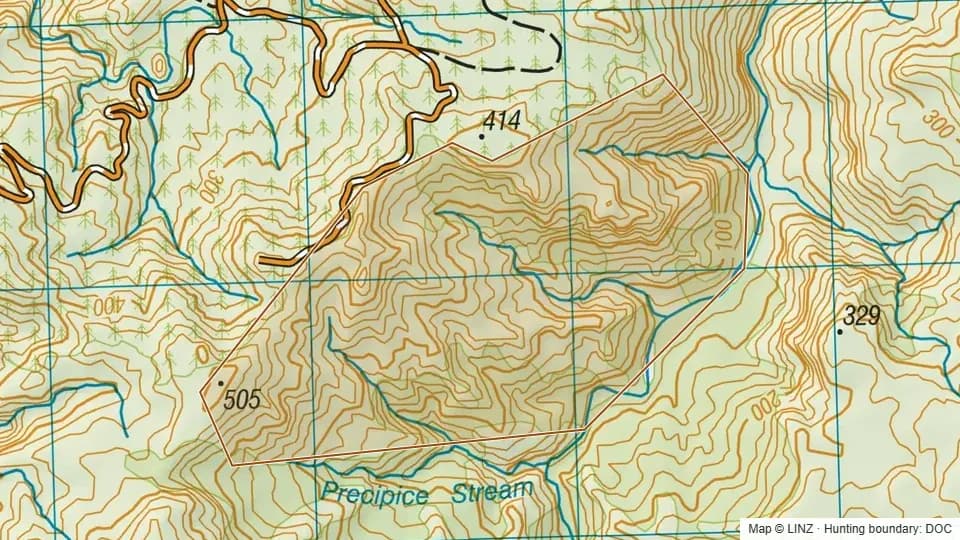 Conservation Area - Kapowai River183 ha
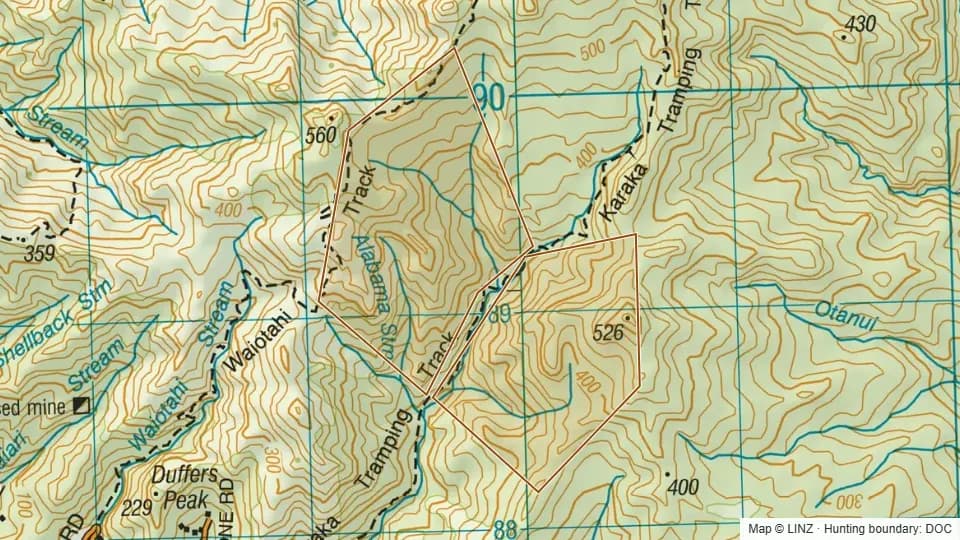 Conservation Area - Karaka162 ha
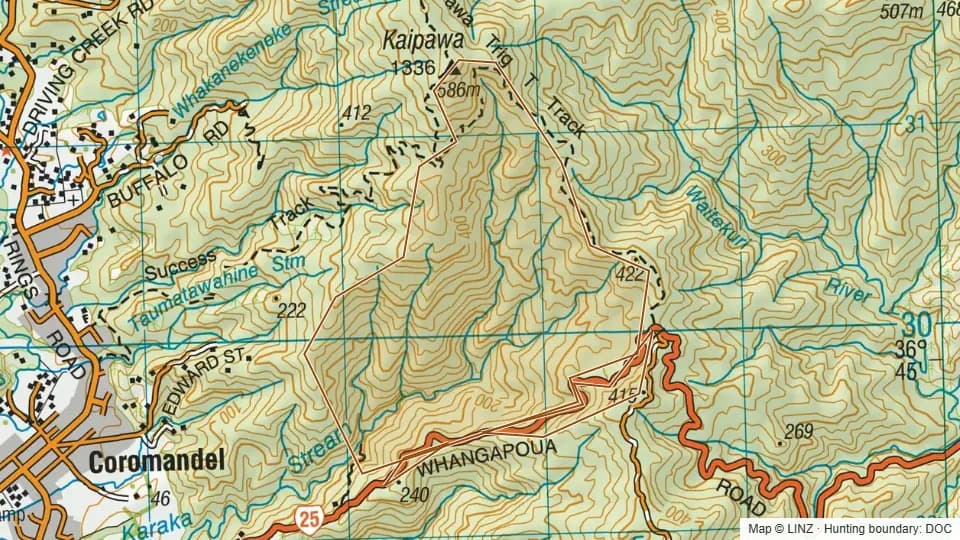 Conservation Area - Karaka Stream200 ha
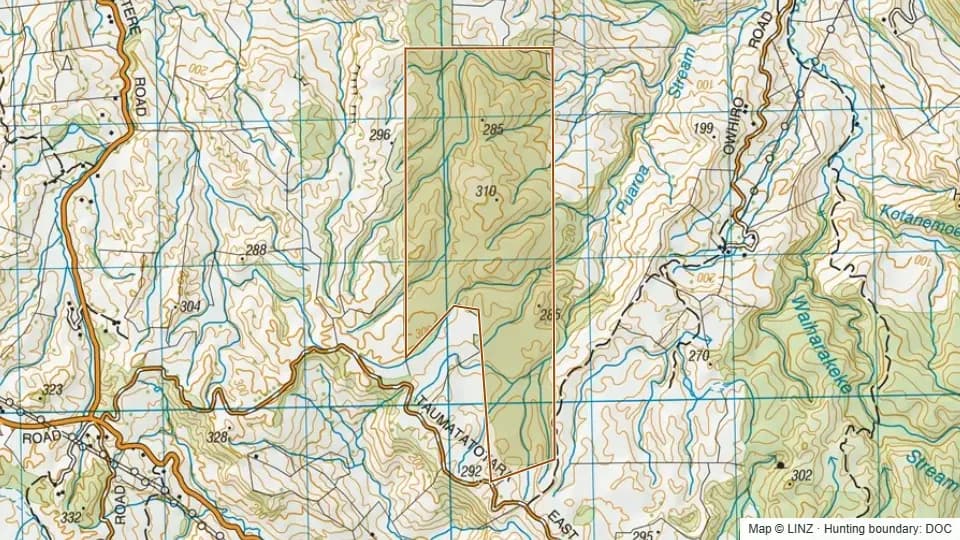 Conservation Area - Kinohaku251 ha
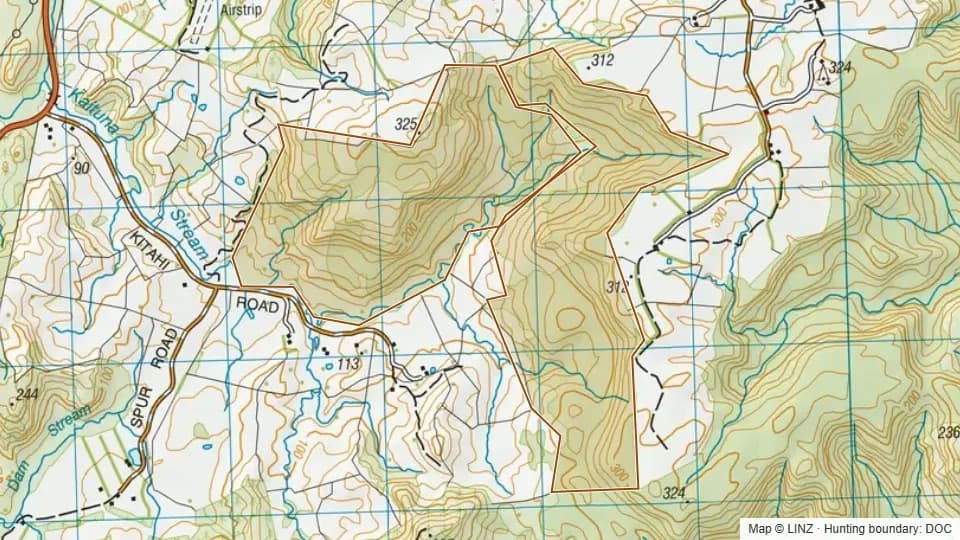 Conservation Area - Kitahi392 ha
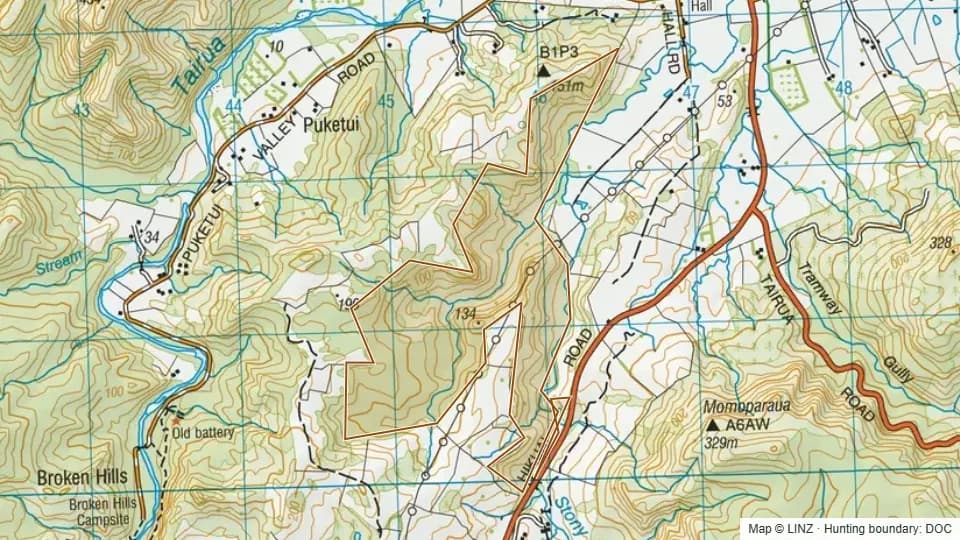 Conservation Area - Kitahi (proposed Scenic Res)187 ha
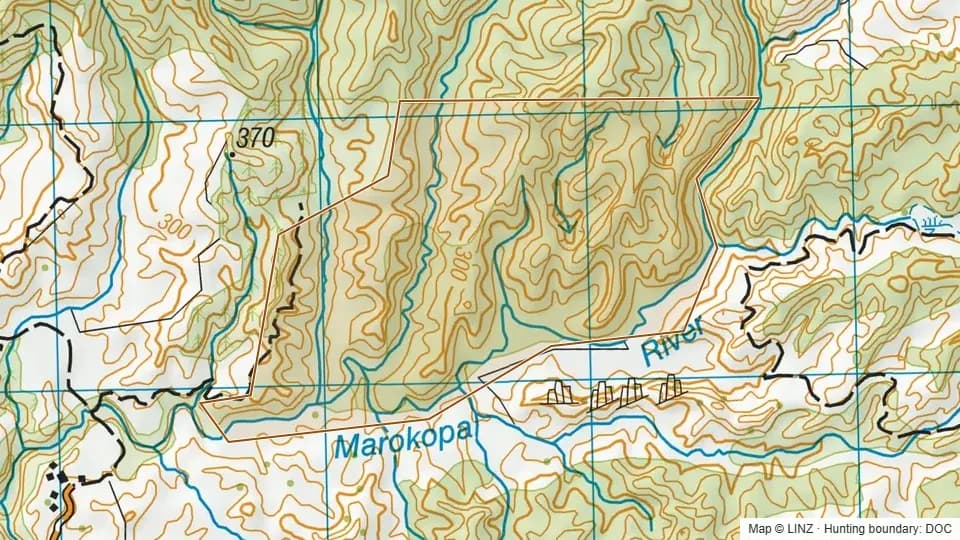 Conservation Area - Mahoe160 ha
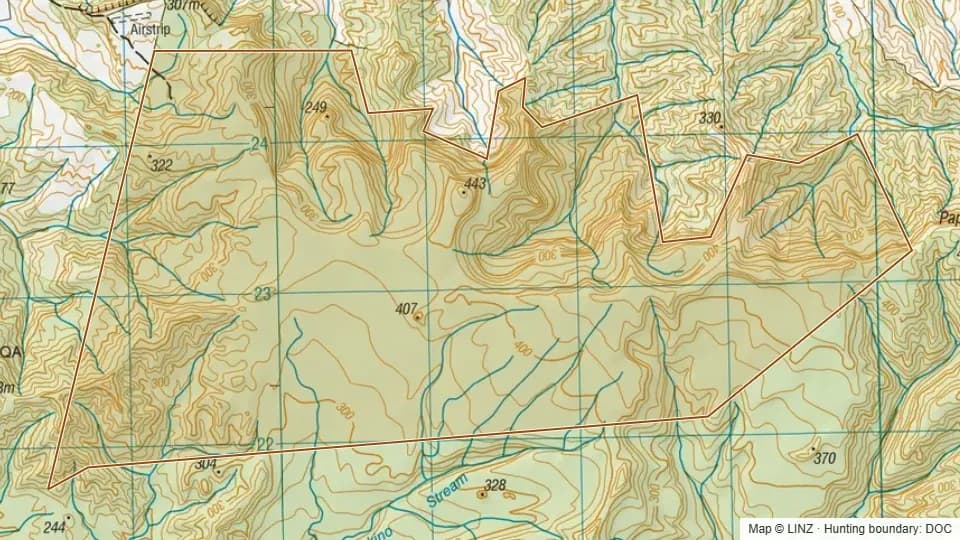 Conservation Area - Mahoenui1,072 ha
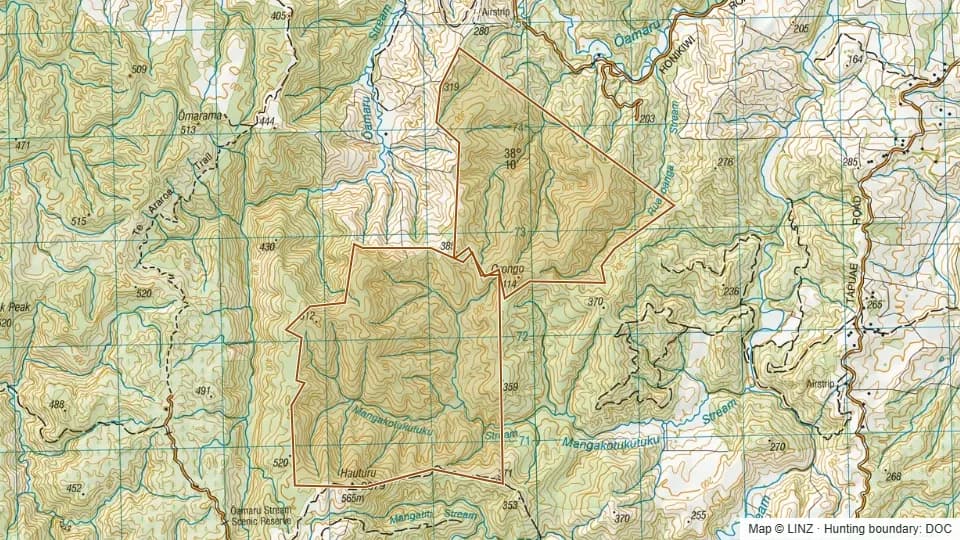 Conservation Area - Mangakotukutuku682 ha
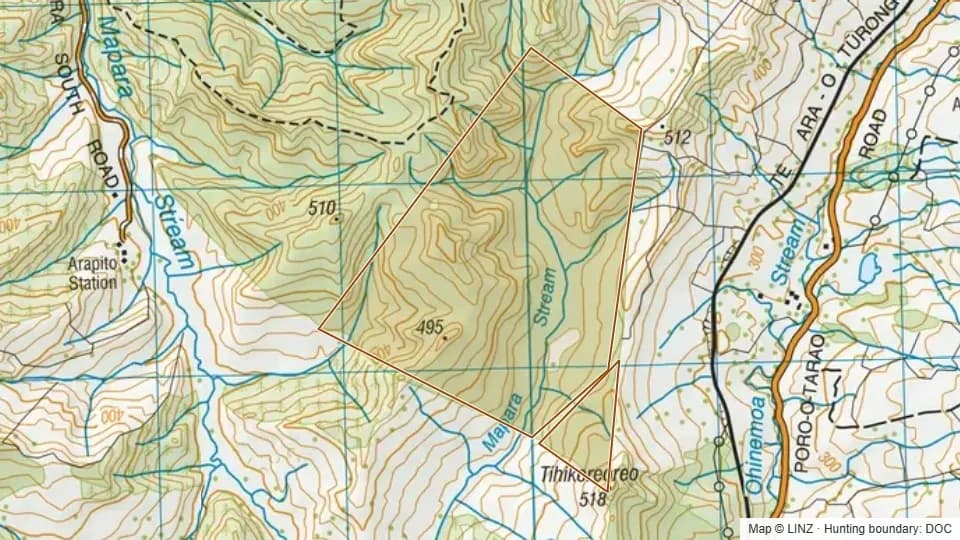 Conservation Area - Mapara222 ha
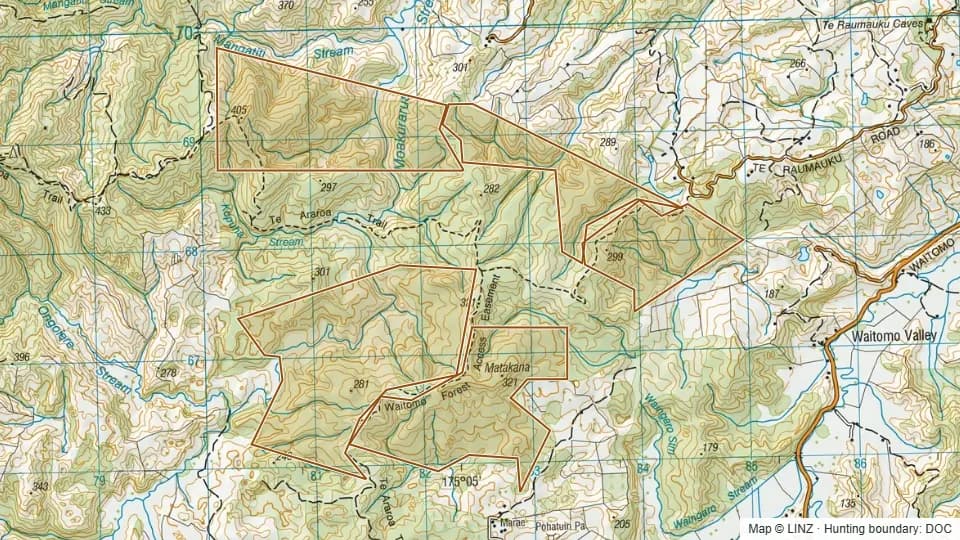 Conservation Area - Matakana753 ha
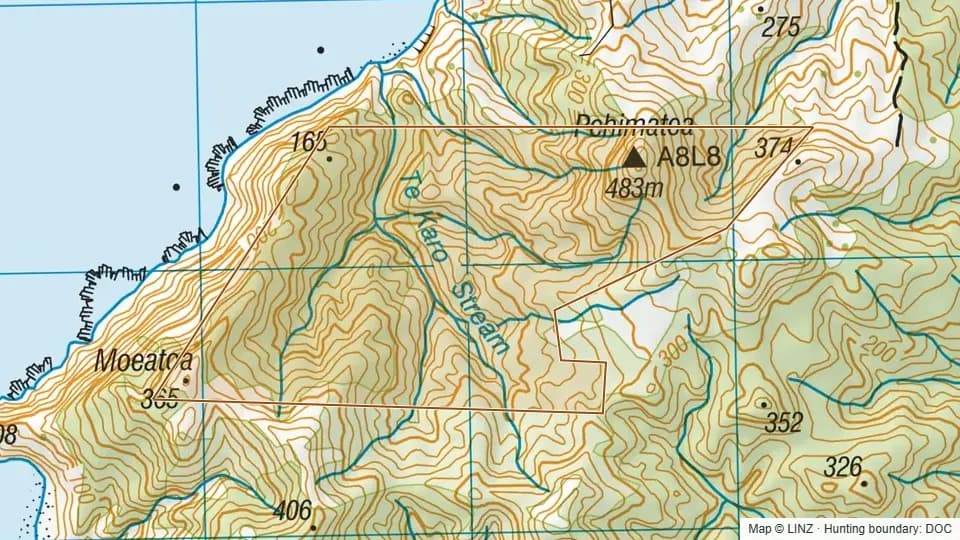 Conservation Area - Moeatoa169 ha
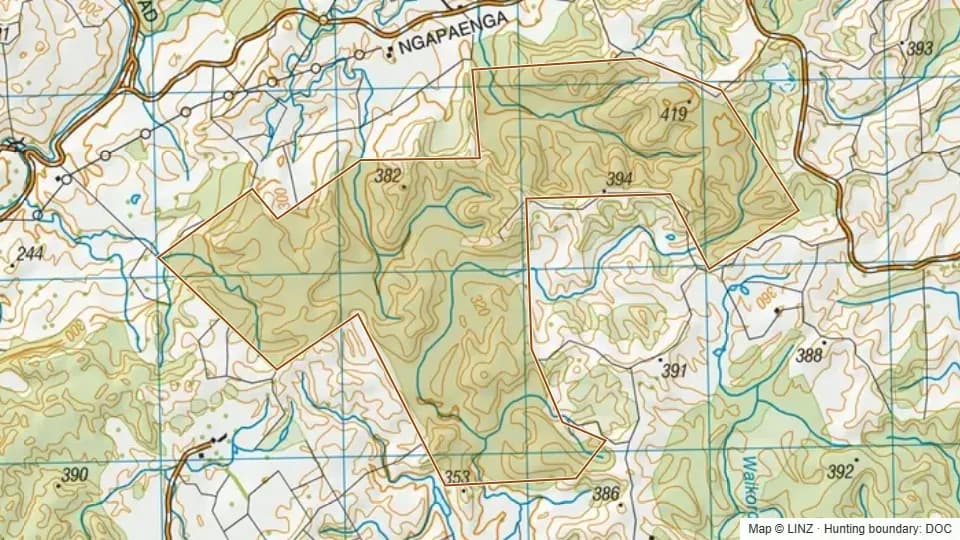 Conservation Area - Ngapaenga345 ha
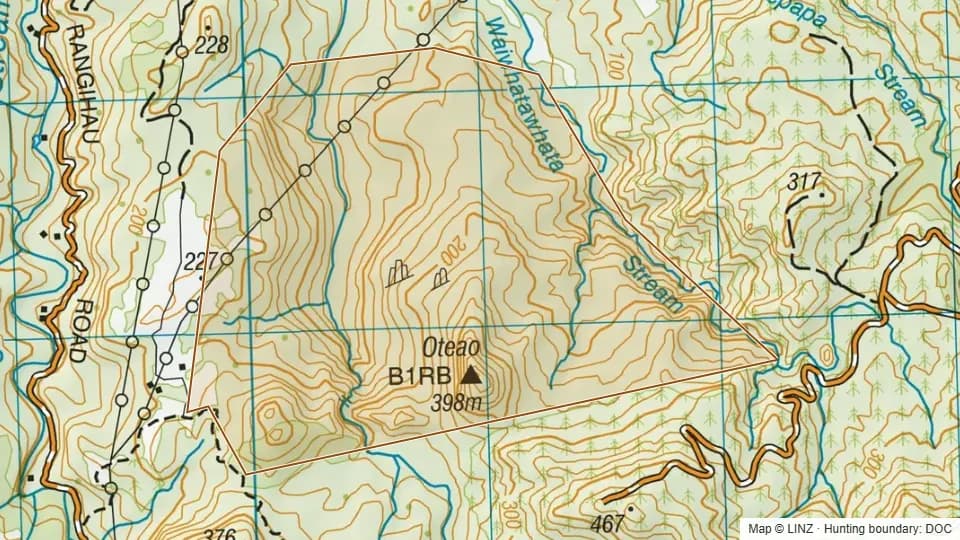 Conservation Area - Oteao Stream288 ha
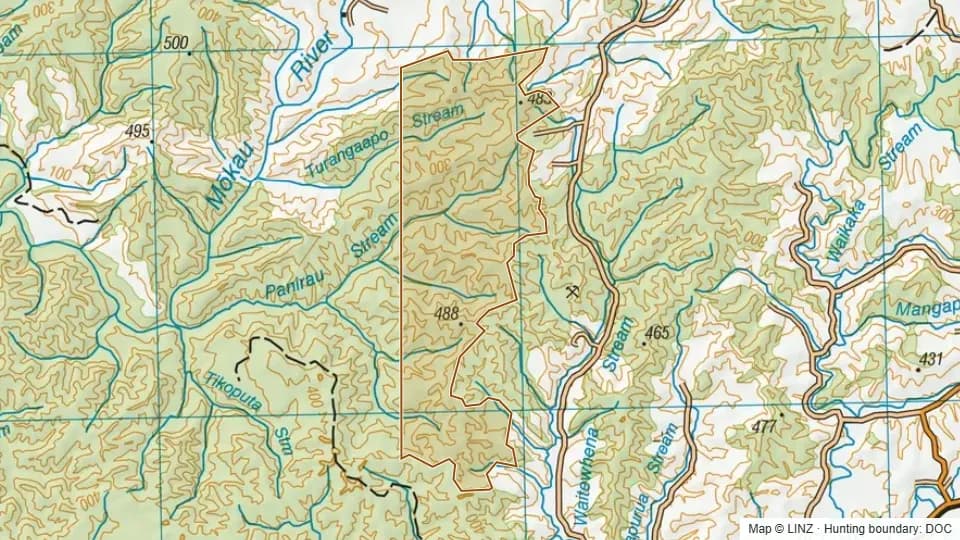 Conservation Area - Panirau3,418 ha
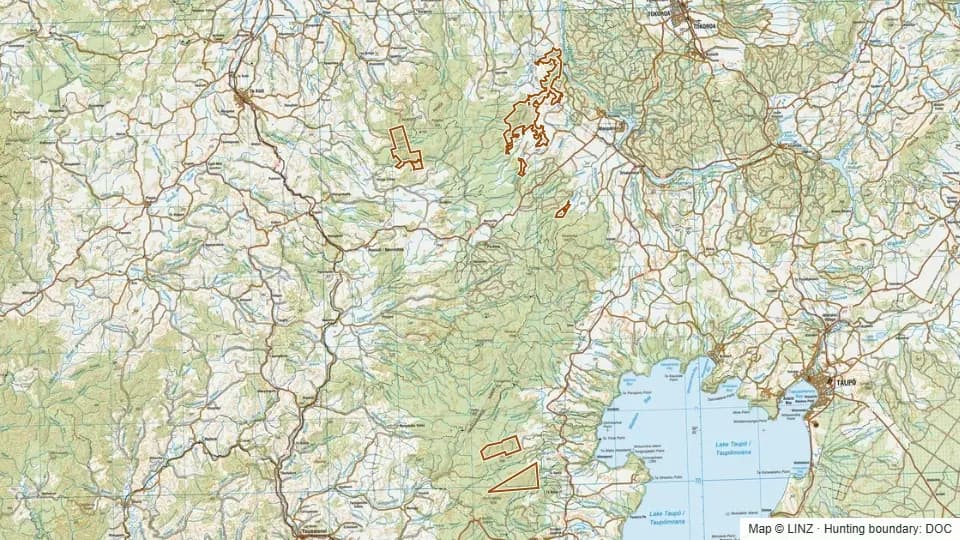 Conservation Area - Pureora6,830 ha
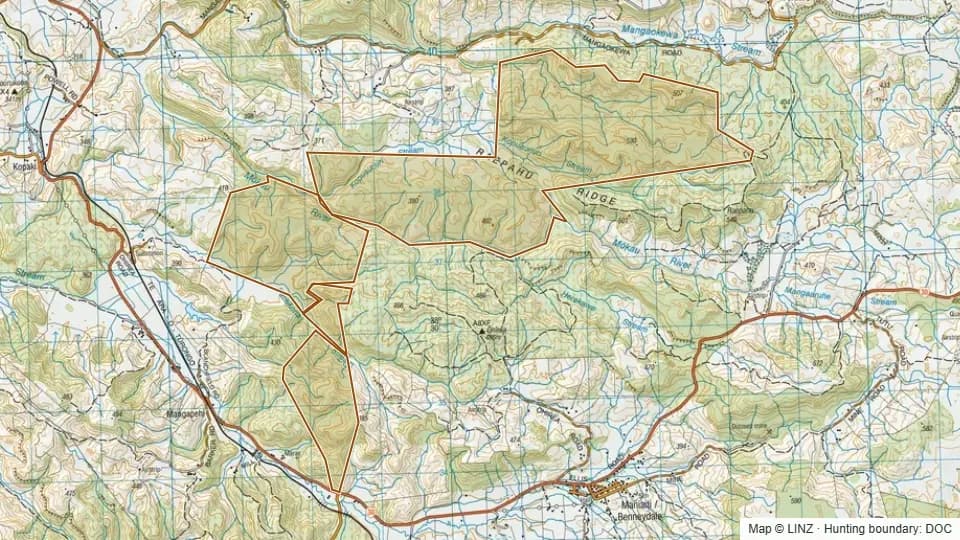 Conservation Area - Raepahu1,310 ha
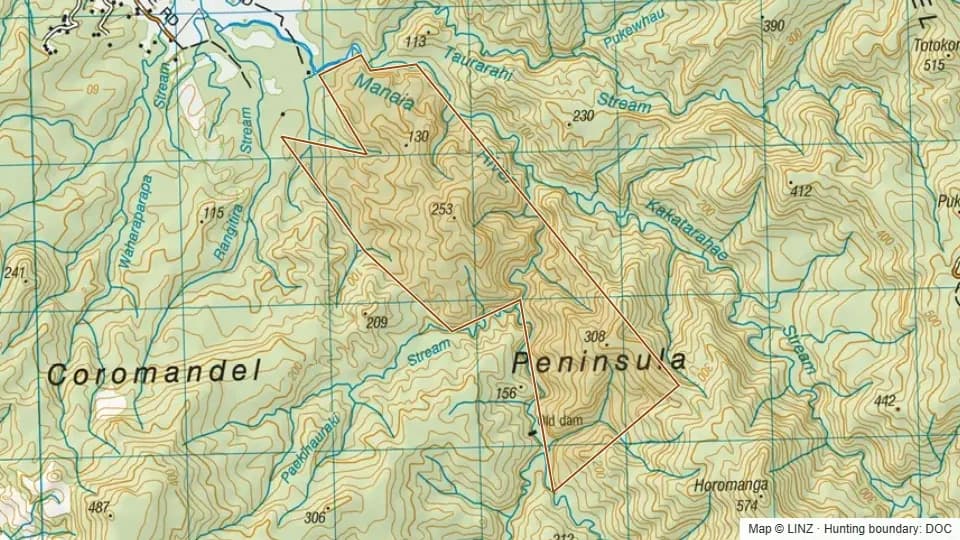 Conservation Area - Stock Block276 ha
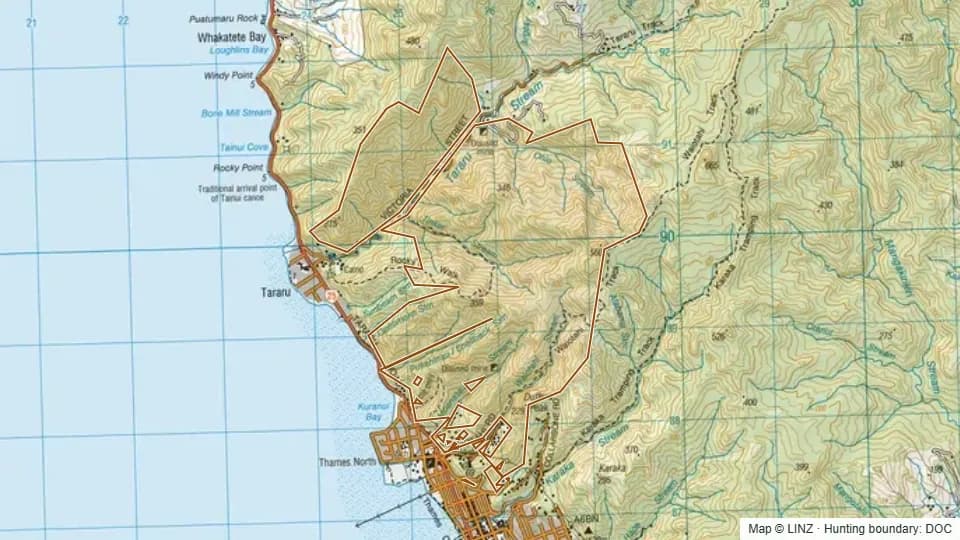 Conservation Area - Tararu826 ha
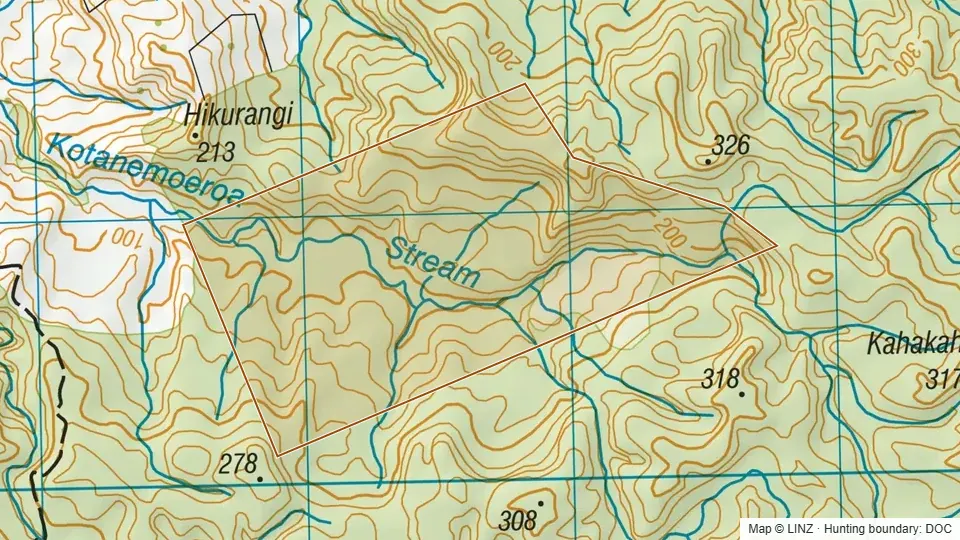 Conservation Area - Taumatatotara north156 ha
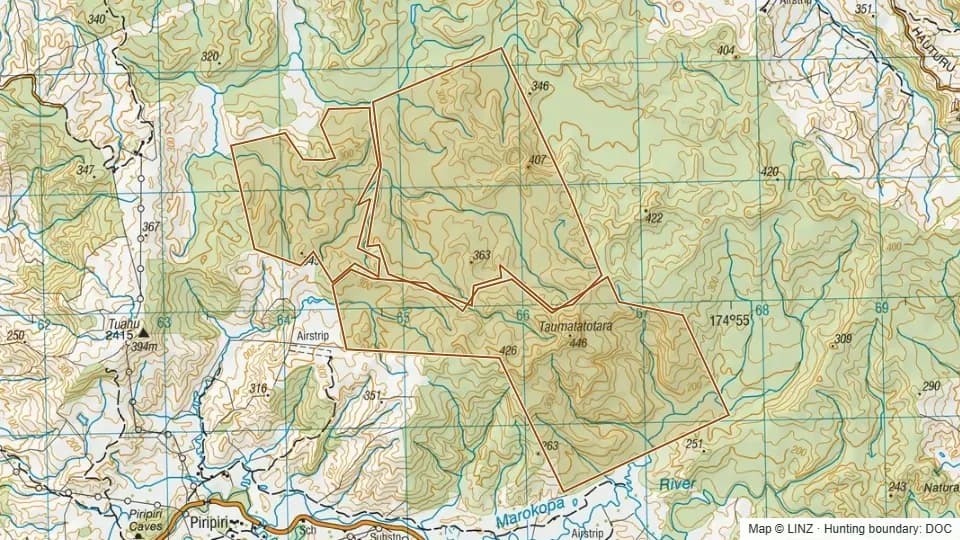 Conservation Area - Taumatatotara west684 ha
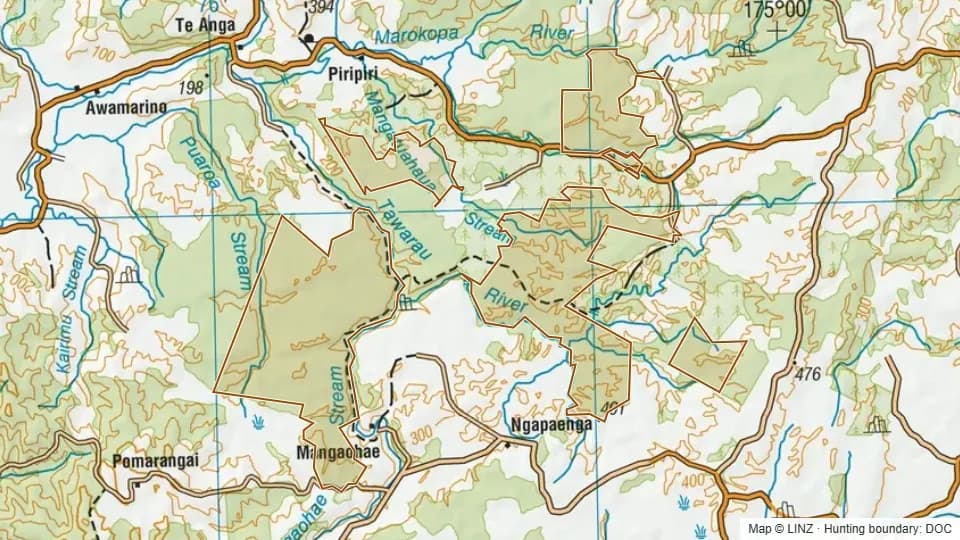 Conservation Area - Tawarau4,174 ha
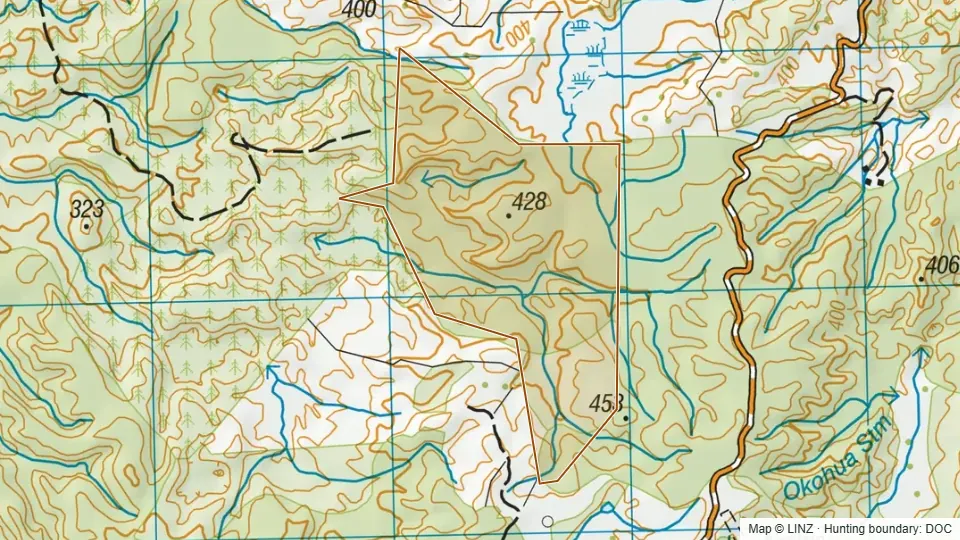 Conservation Area - Waipuna107 ha
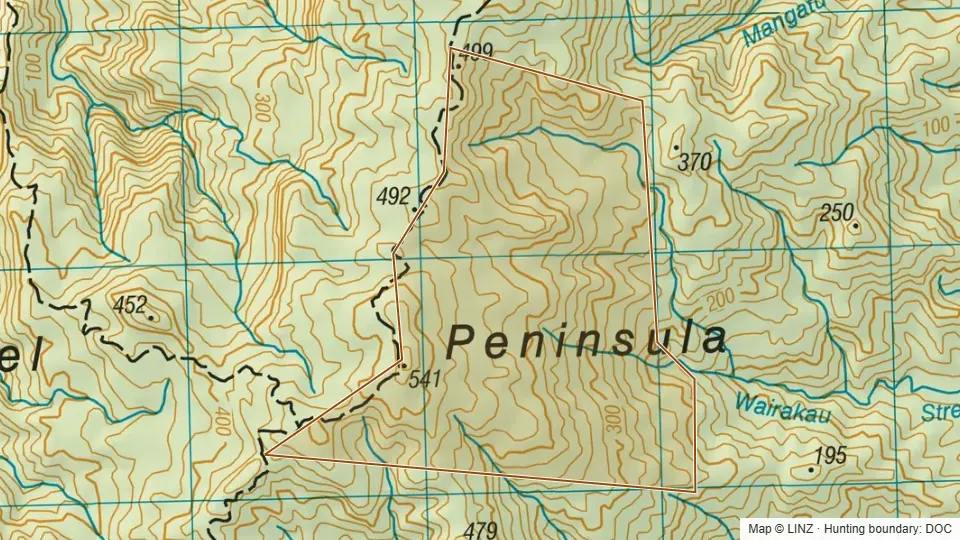 Conservation Area - Wairakau Stream189 ha
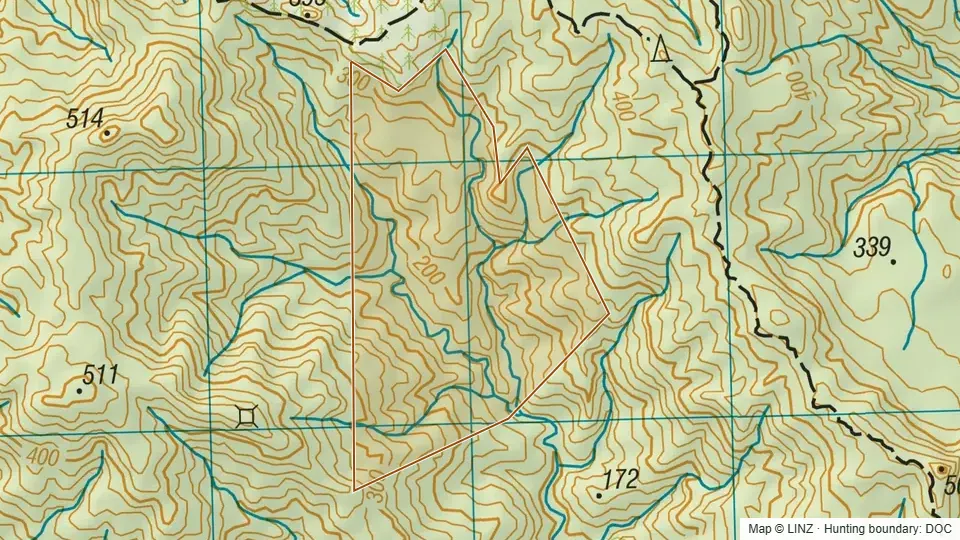 Conservation Area - Whangapoua Forest (outlier)104 ha
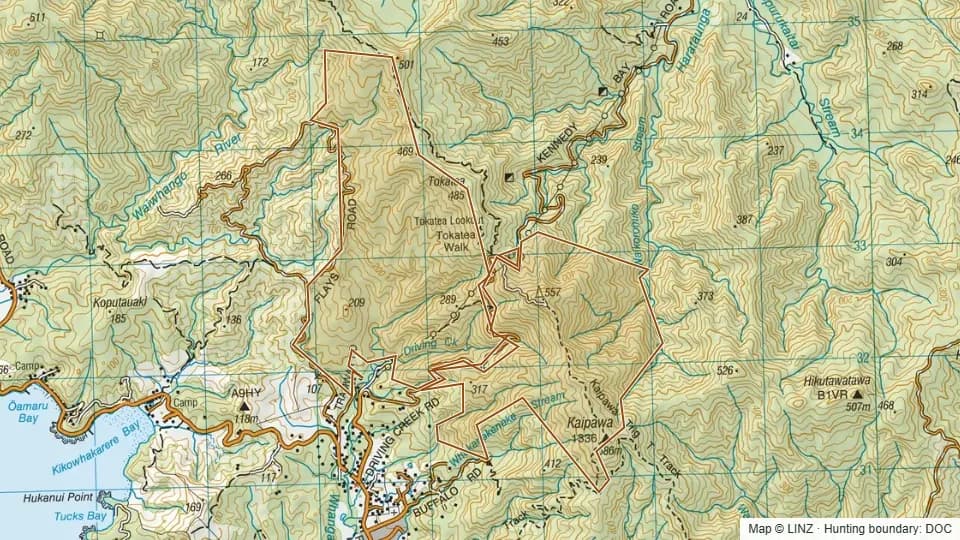 Conservation Area - Whangapoua Forest (Tokatea)578 ha
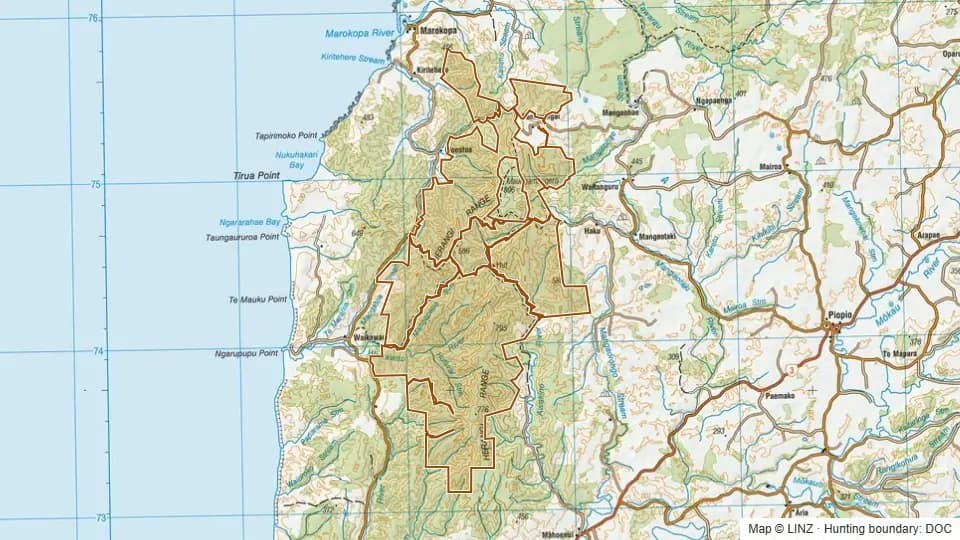 Conservation Area - Whareorino16,049 ha
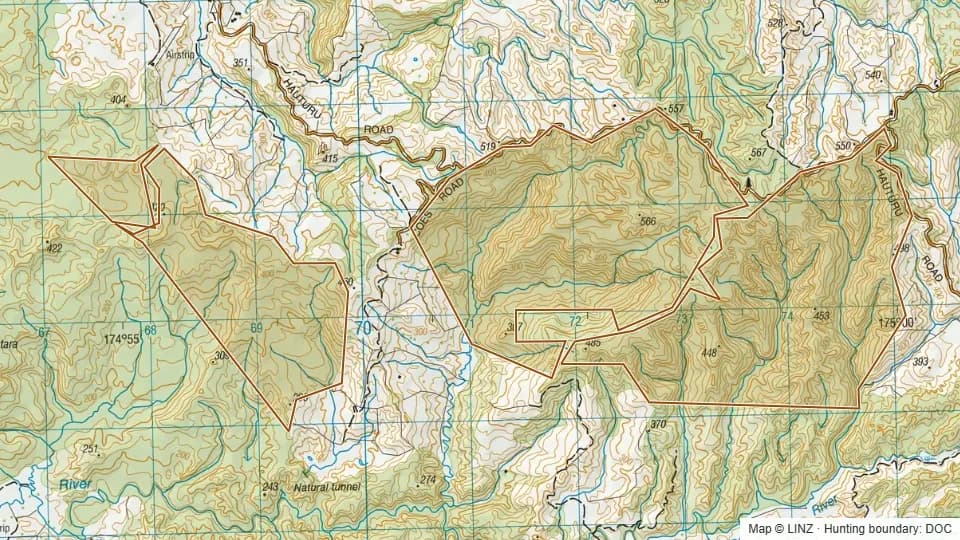 Conservation Unit - Taumatatotara east1,171 ha
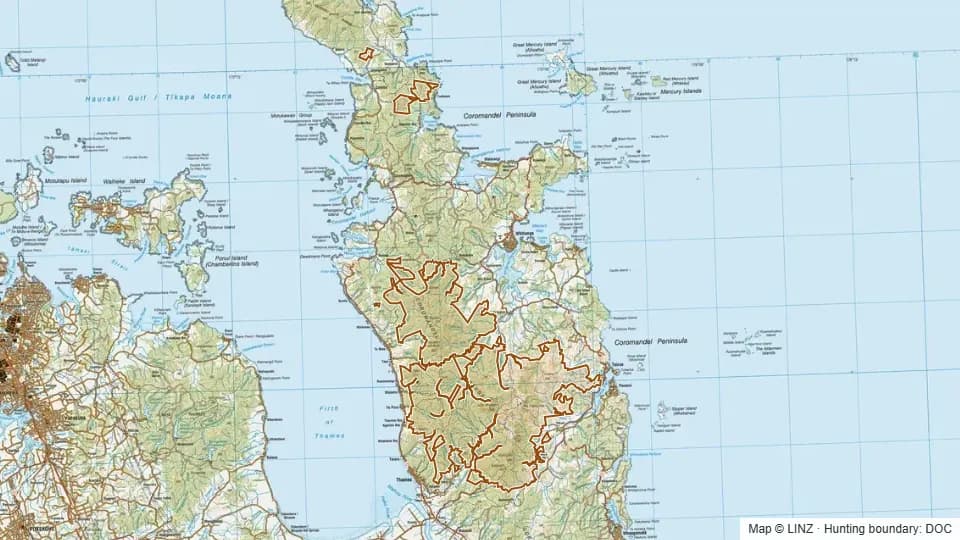 Coromandel Forest Park48,341 ha
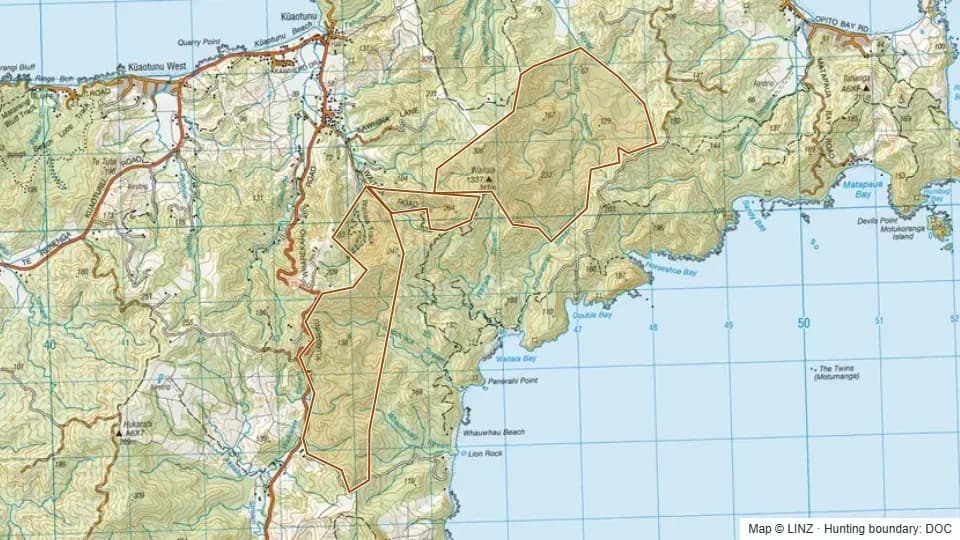 Coromandel Forest Park - Otama724 ha
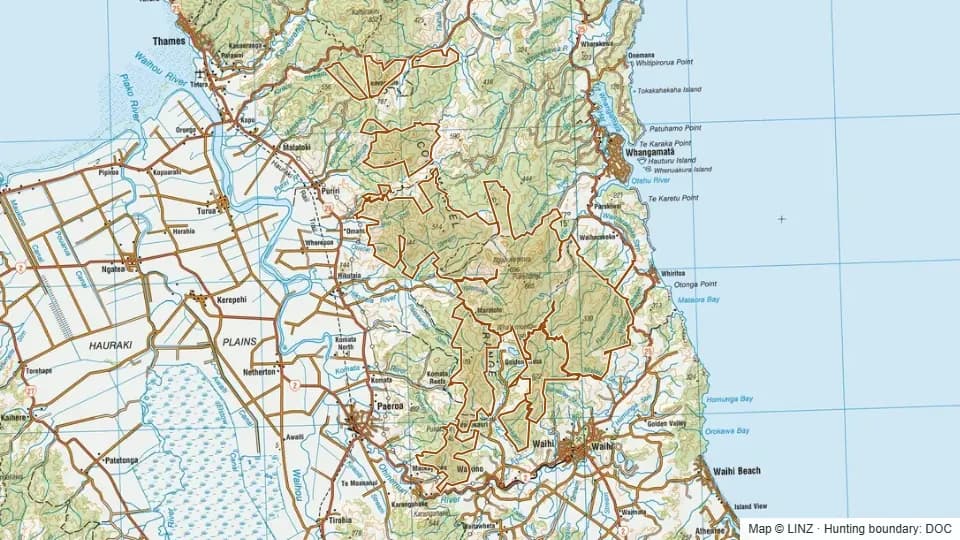 Coromandel Forest Park - South of Kopu Hikuwai17,715 ha
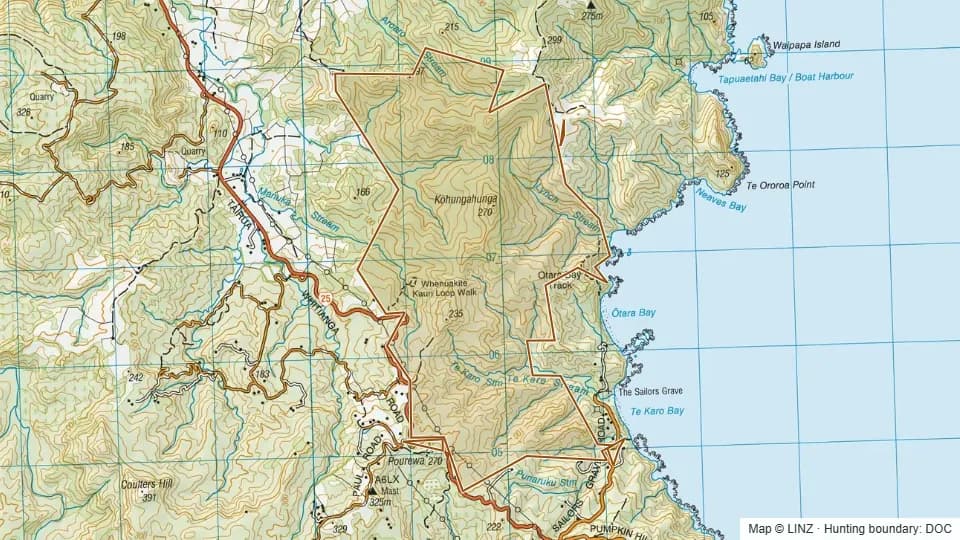 Coromandel Forest Park - Whenuakite765 ha
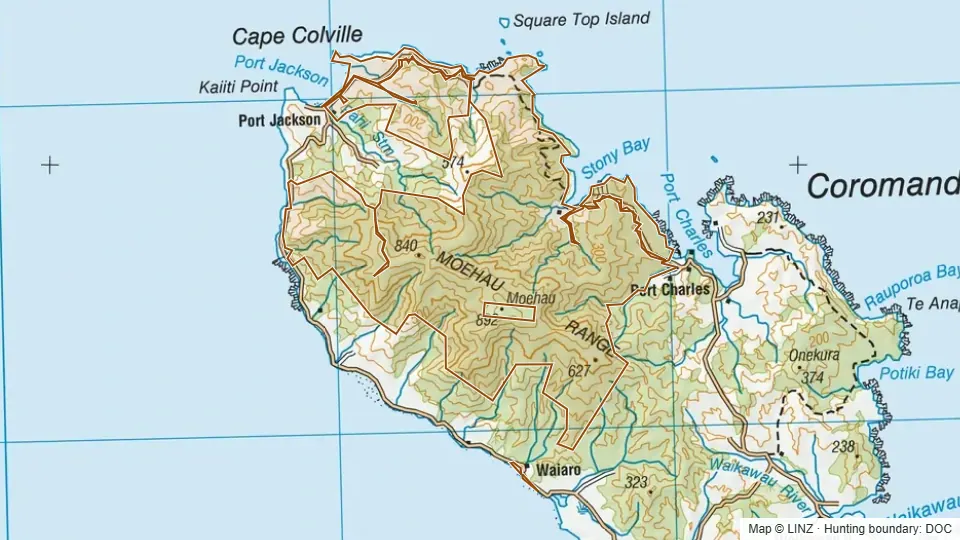 Coromandel Forest Park- Moehau6,417 ha
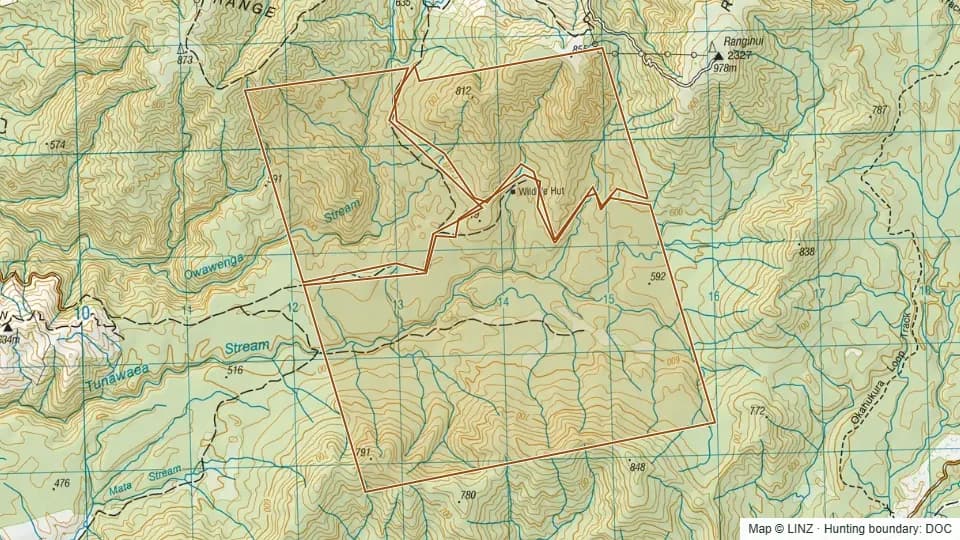 Cowan Wildlife Refuge1,265 ha
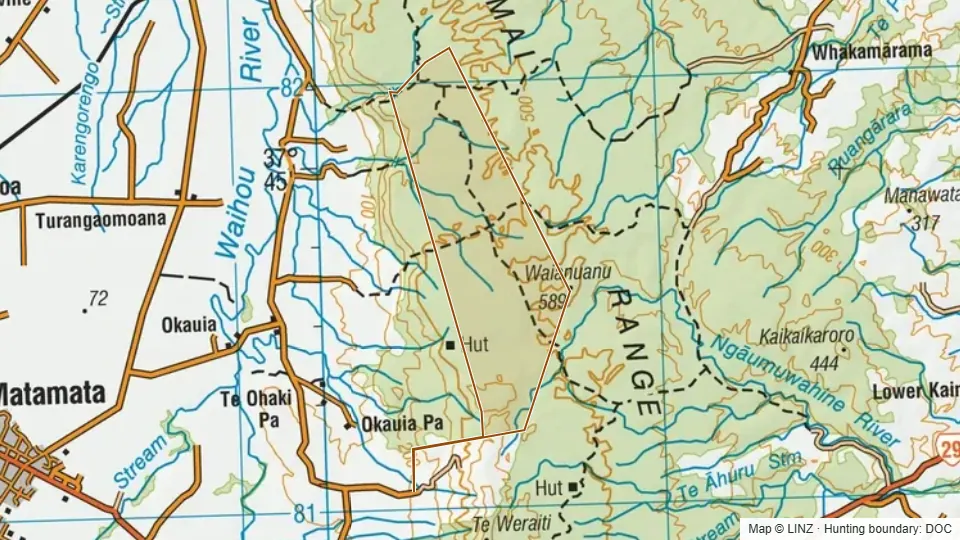 Gordon Park Scenic Reserve1,857 ha
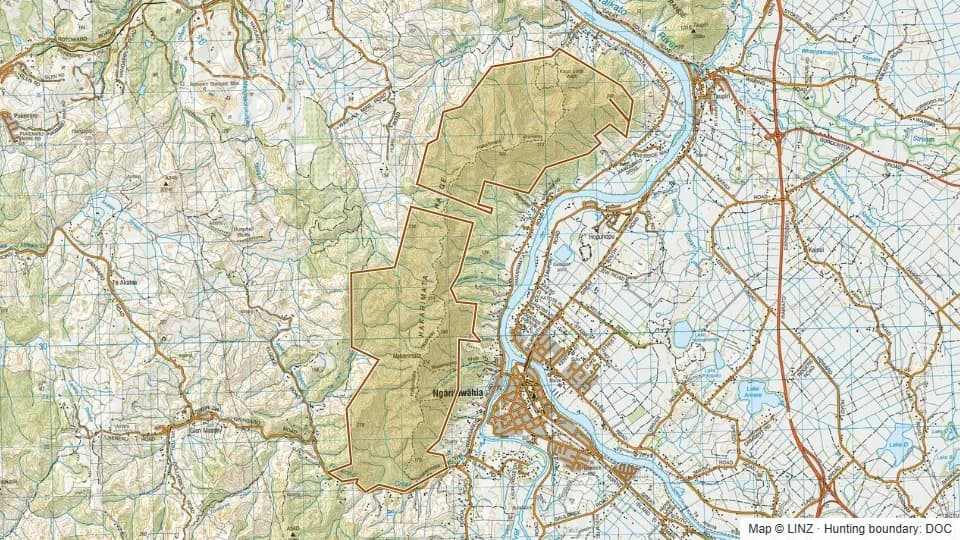 Hakarimata Scenic Reserve1,808 ha
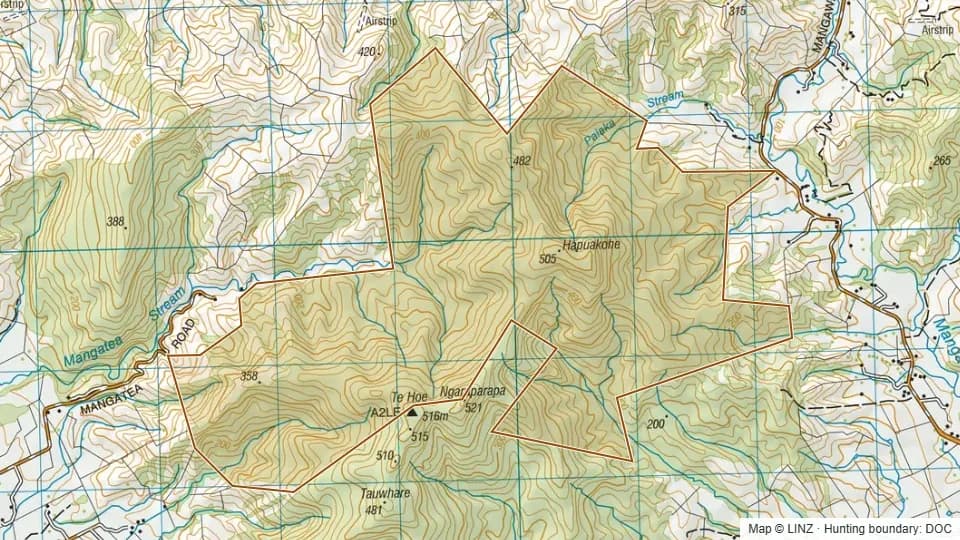 Hapuakohe Ecological Area968 ha
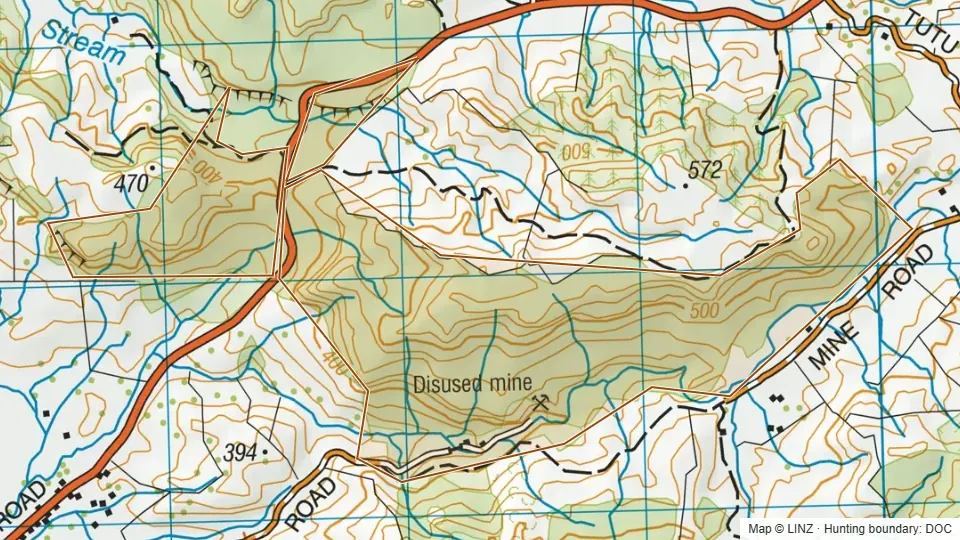 Herekawe Scenic Reserve215 ha
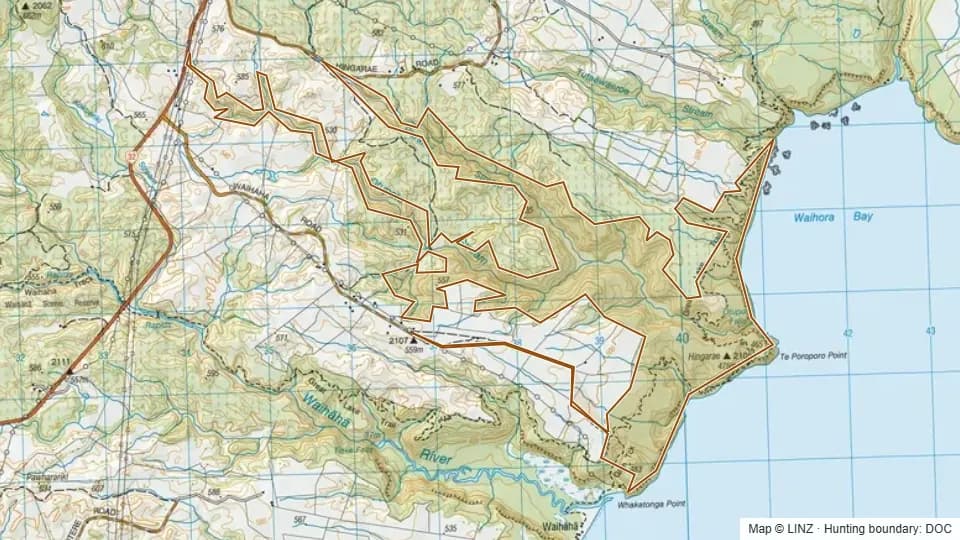 Hingarae Scenic Reserve720 ha
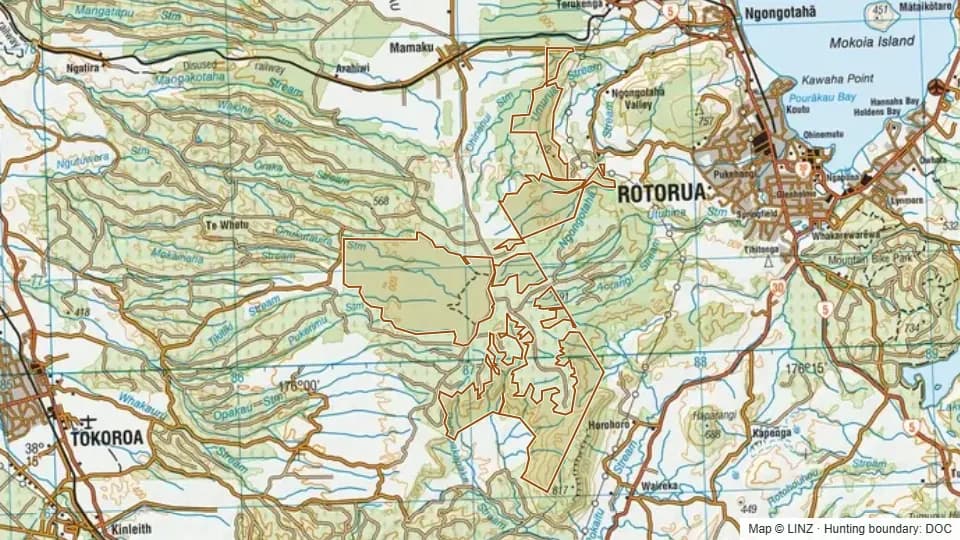 Horohoro Forest5,417 ha
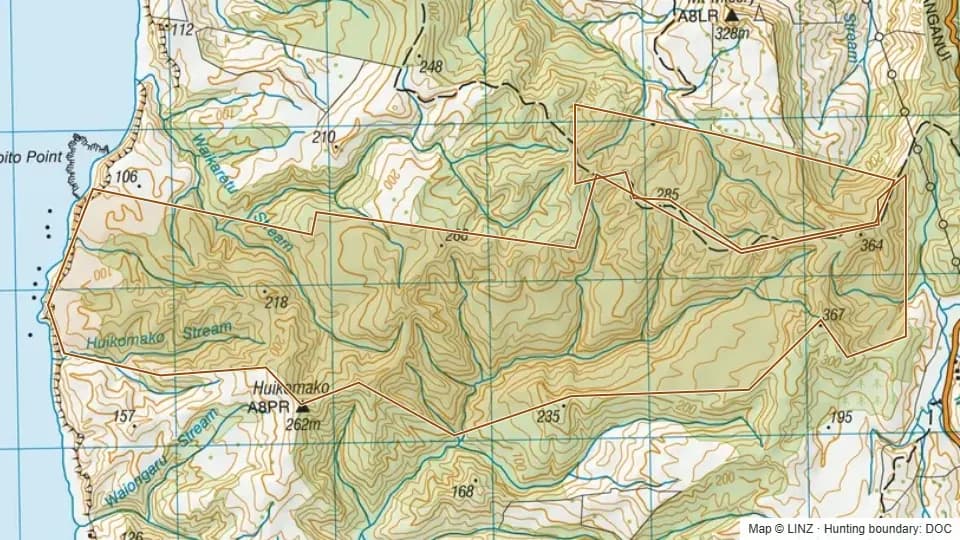 Huikomako Scenic Reserve648 ha
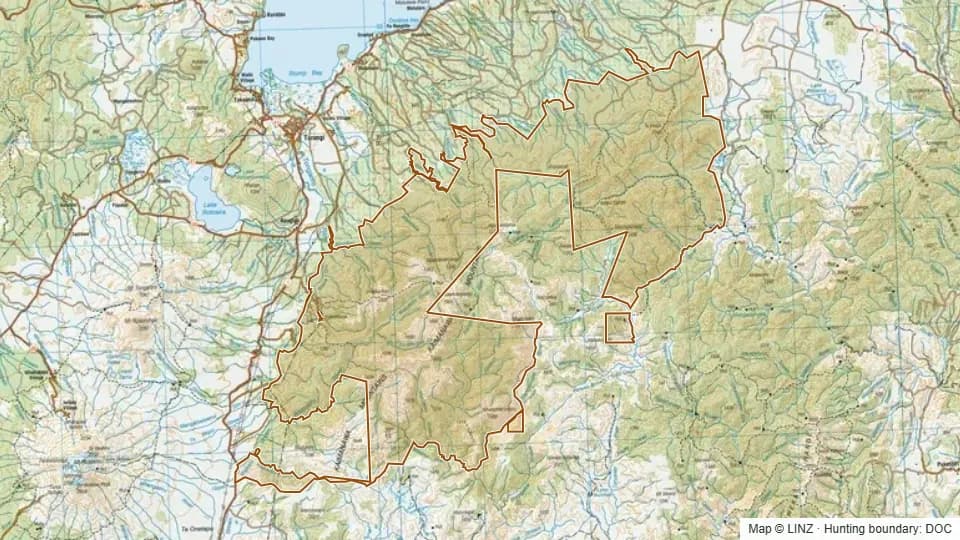 Kaimanawa Forest Park74,331 ha
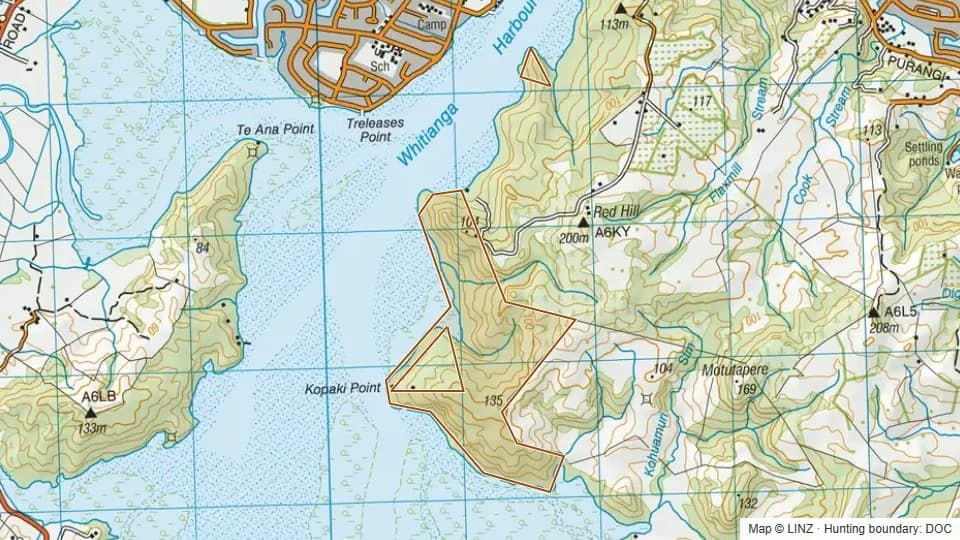 Kaitoke Scenic Reserve124 ha
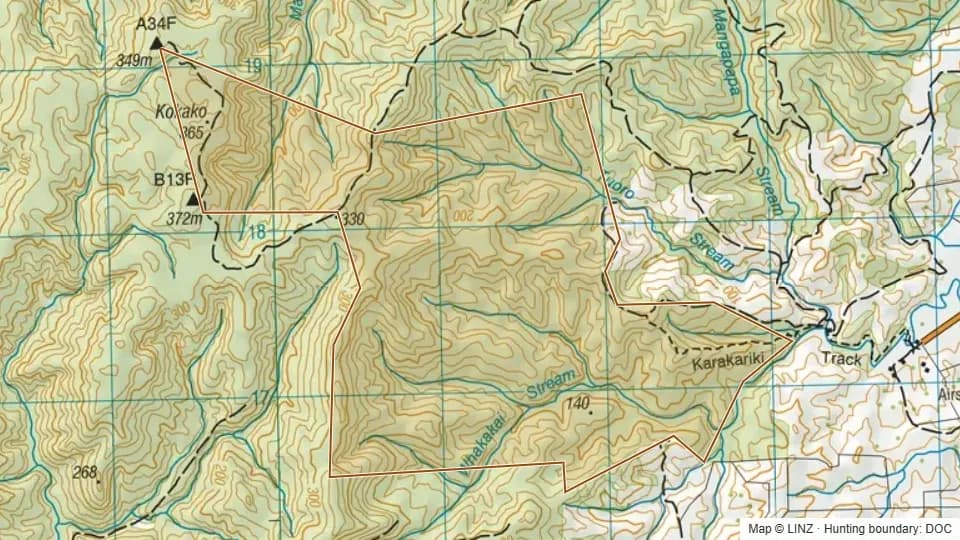 Karakariki Scenic Reserve488 ha
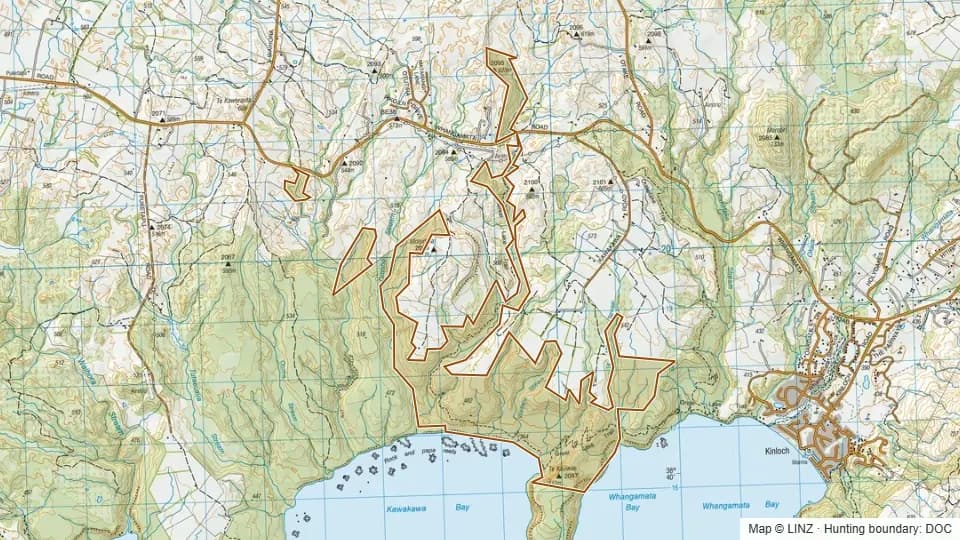 Kawakawa Bay Scenic Reserve855 ha
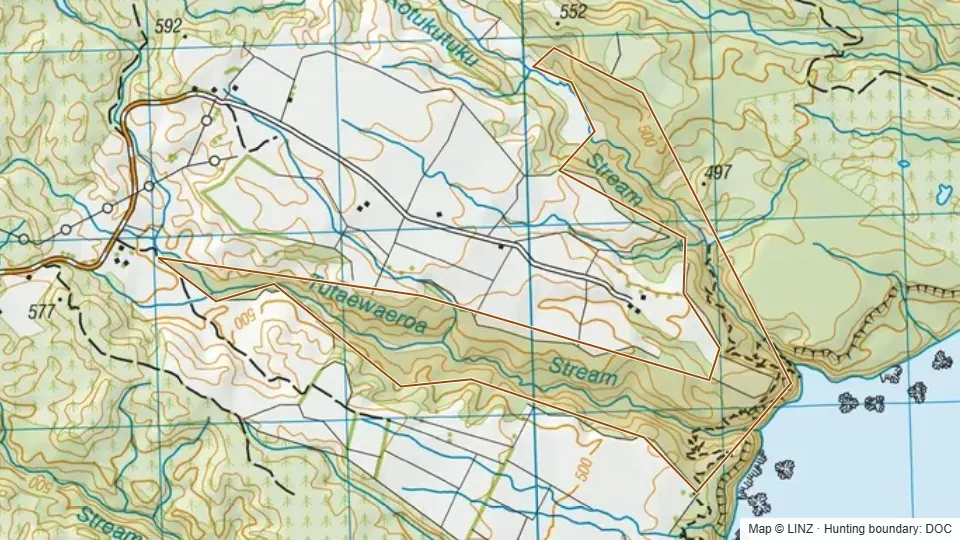 Kotukutuku Stream Scenic Reserve168 ha
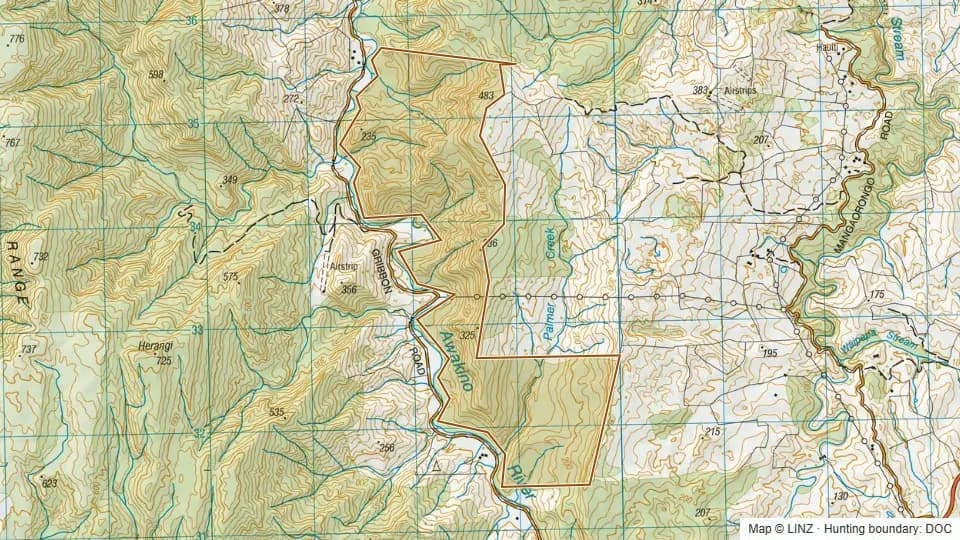 Mahoenui Scenic Reserve453 ha
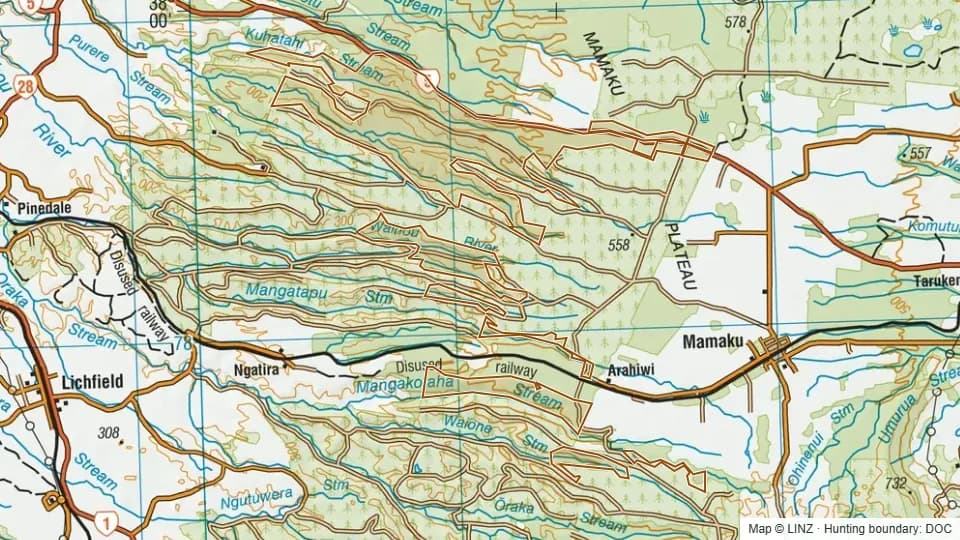 Mamaku Forest6,055 ha
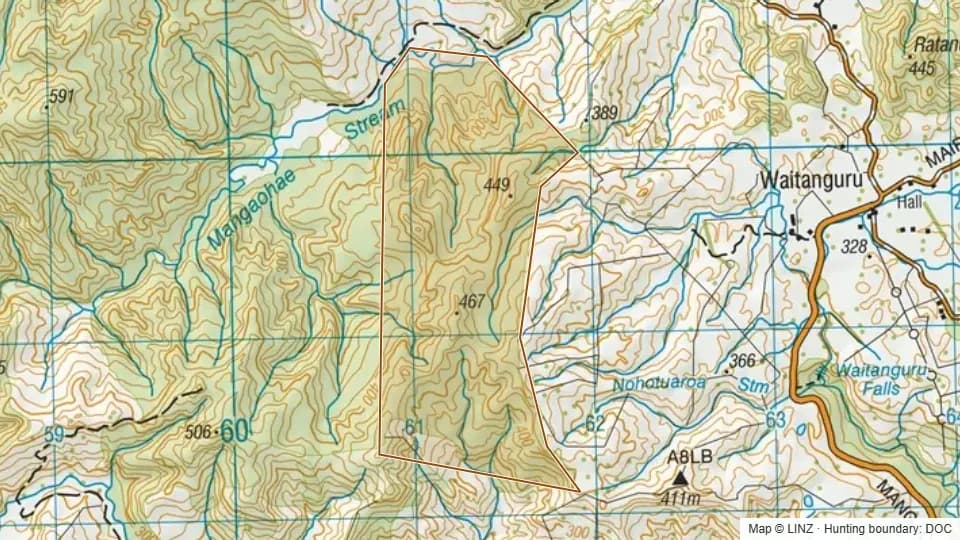 Mangaohae Stream Scenic Reserve194 ha
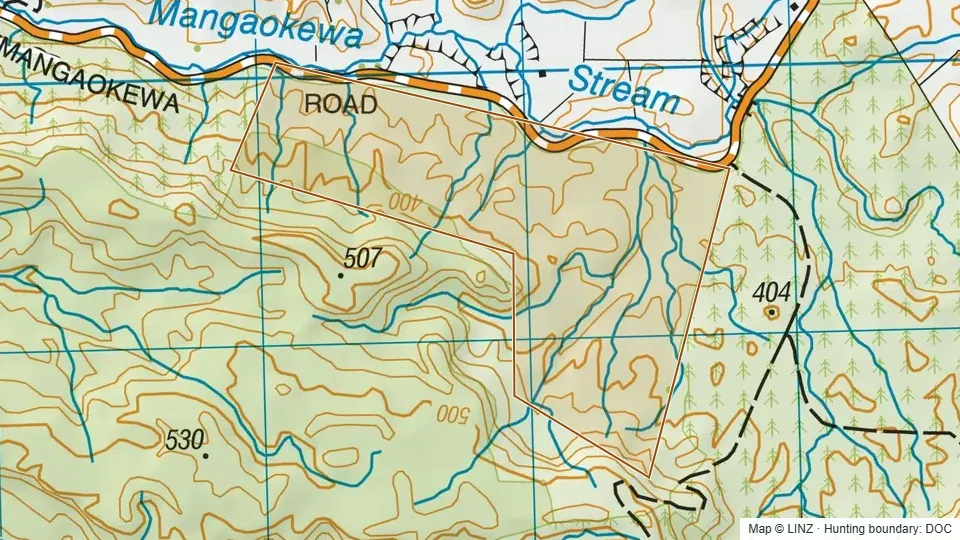
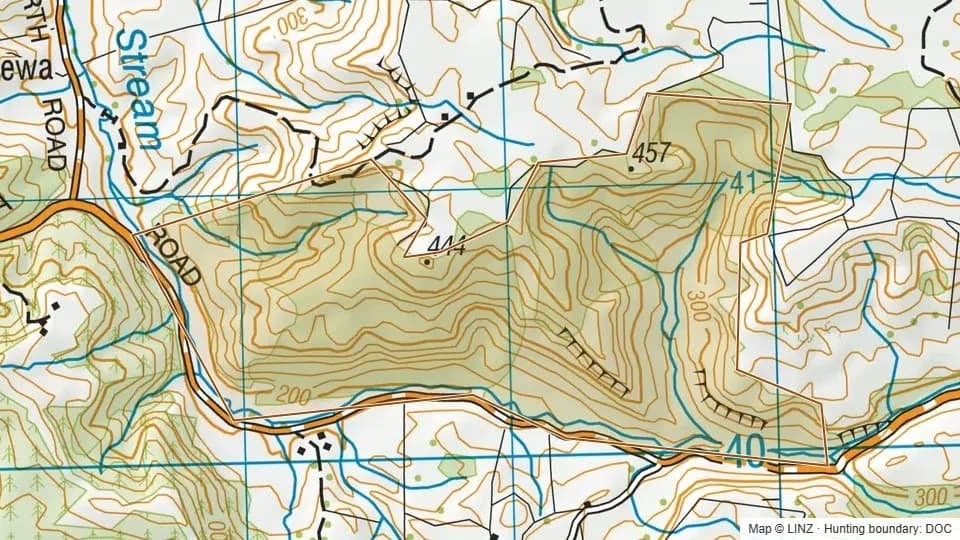 Mangaokewa Road Scenic Reserve216 ha
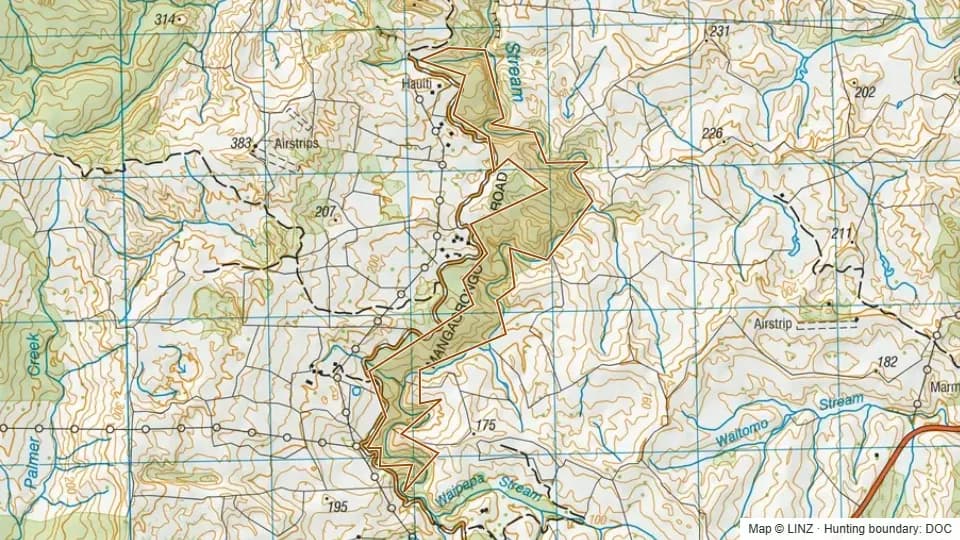 Mangaorongo Scenic Reserve102 ha
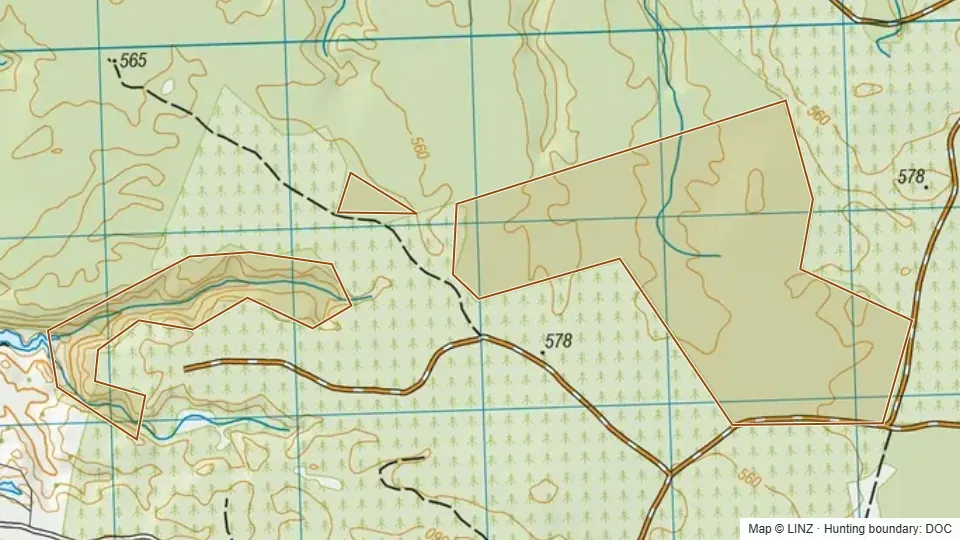 Mangapapa Conservation Area270 ha
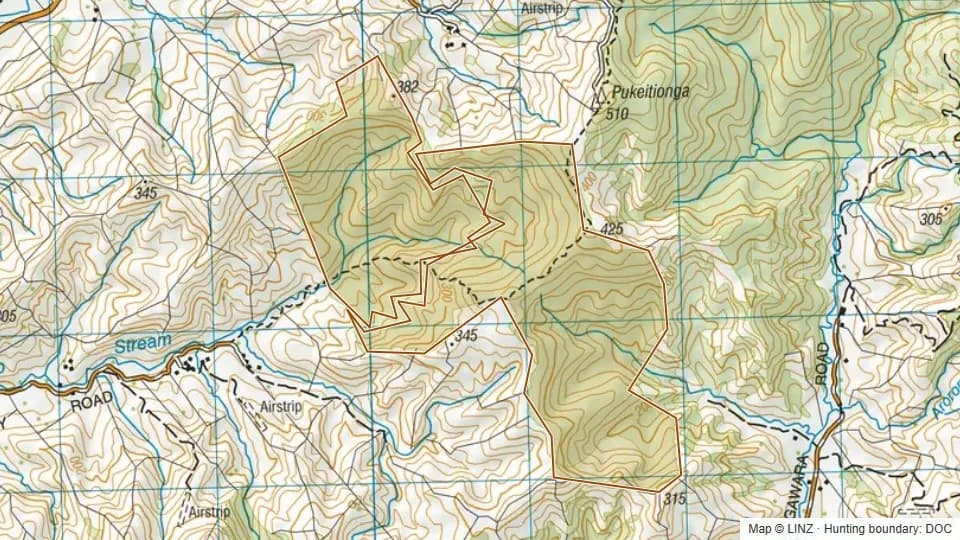 Mangapiko Valley Scenic Reserve323 ha
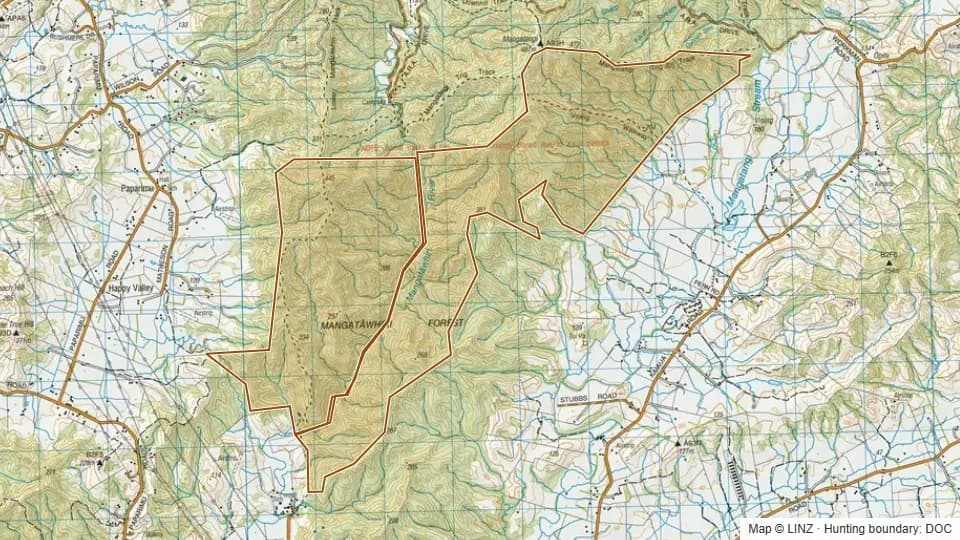 Mangatawhiri1,672 ha
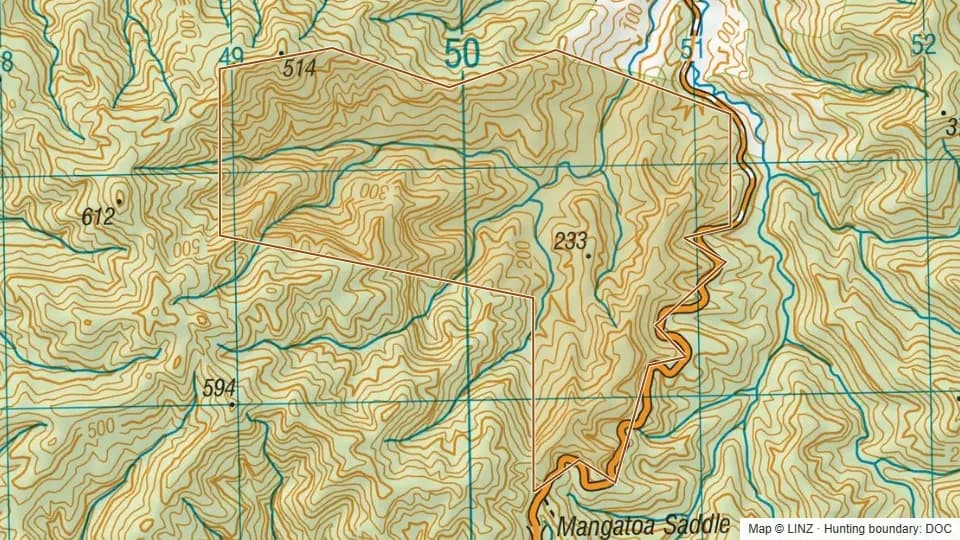
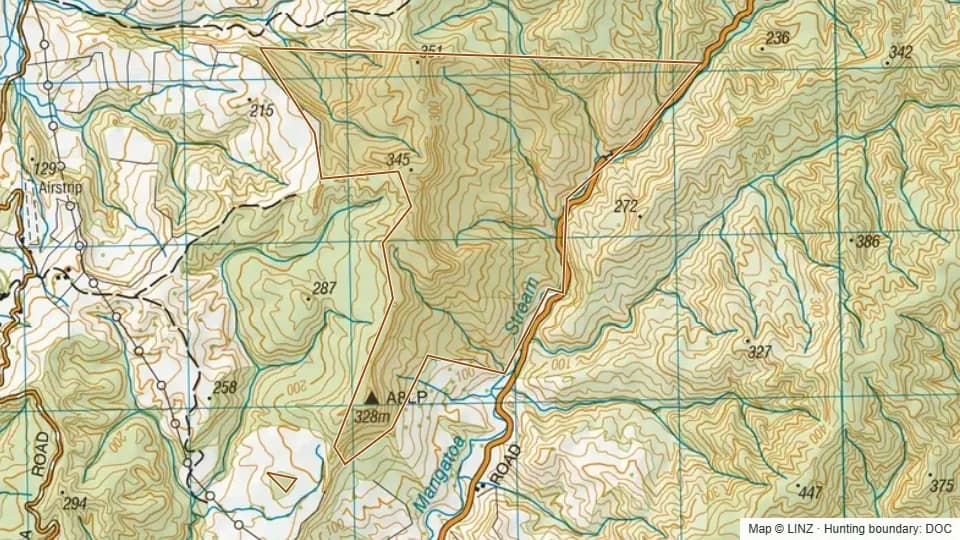 Mangatoa Scenic Reserve291 ha
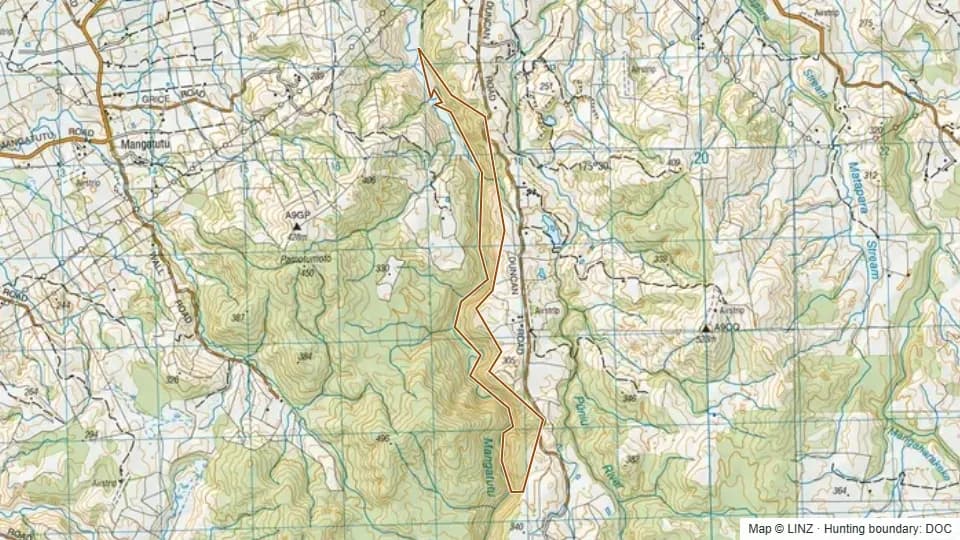 Mangatutu Stream Scenic Reserve111 ha
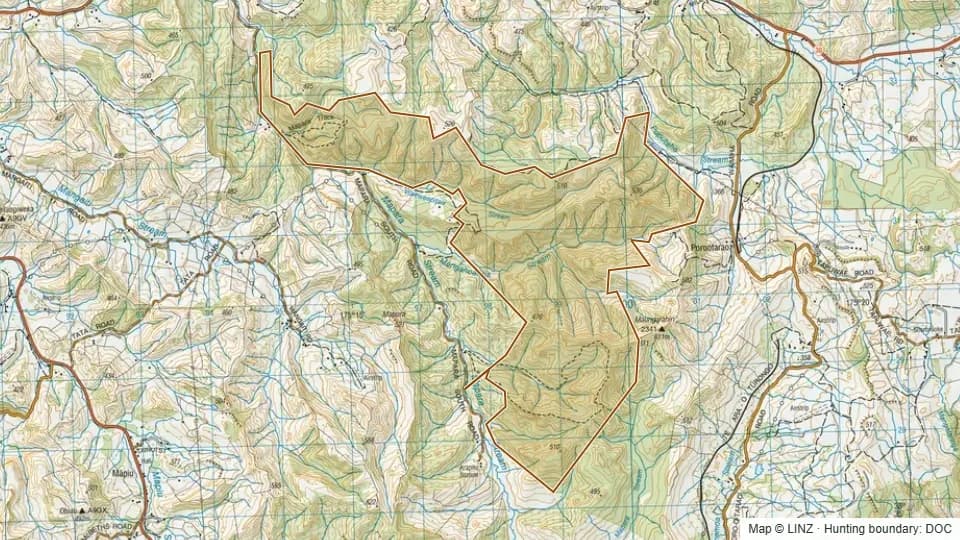 Mapara Wildlife Management Reserve1,207 ha
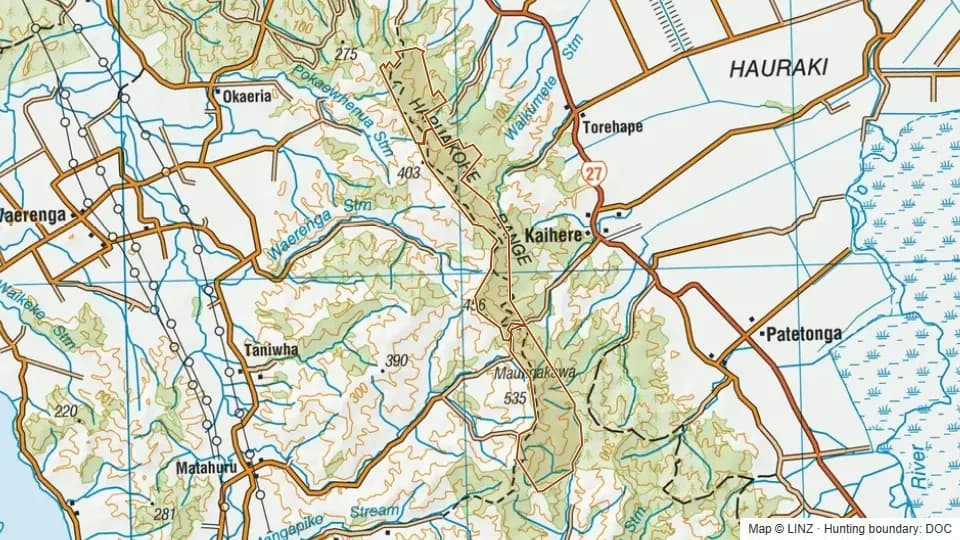 Matahuru Scenic Reserve1,335 ha
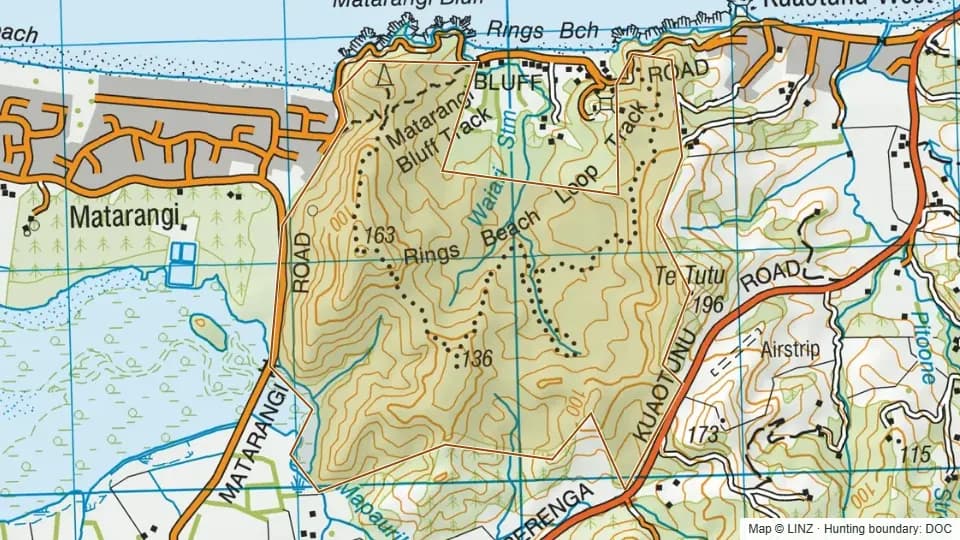 Matarangi Bluff Scenic Reserve253 ha
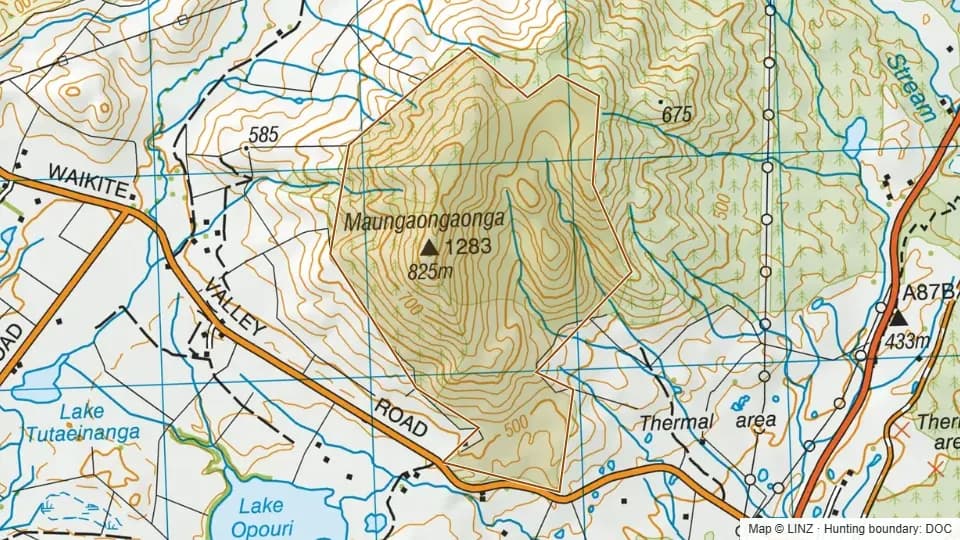 Maungaongaonga Scenic Reserve191 ha
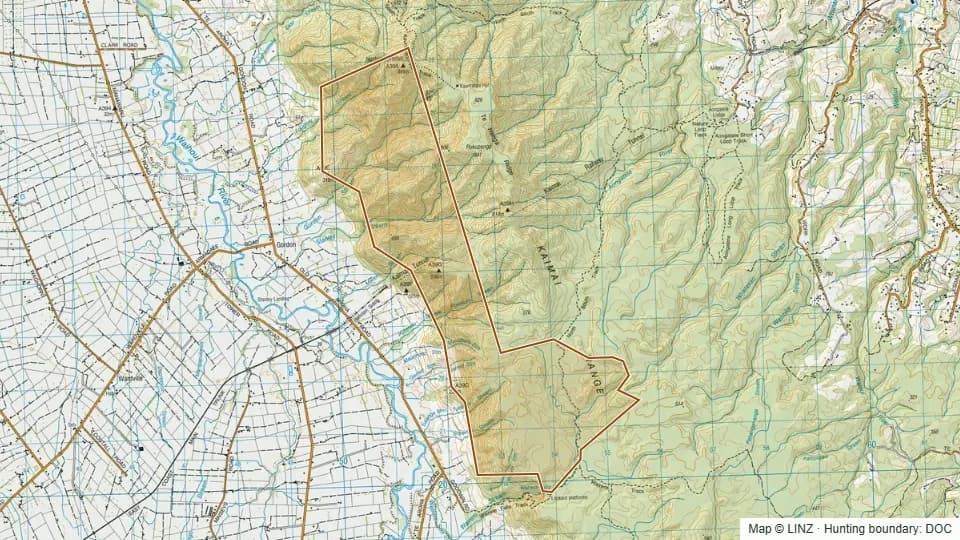 Maurihoro Scenic Reserve1,561 ha
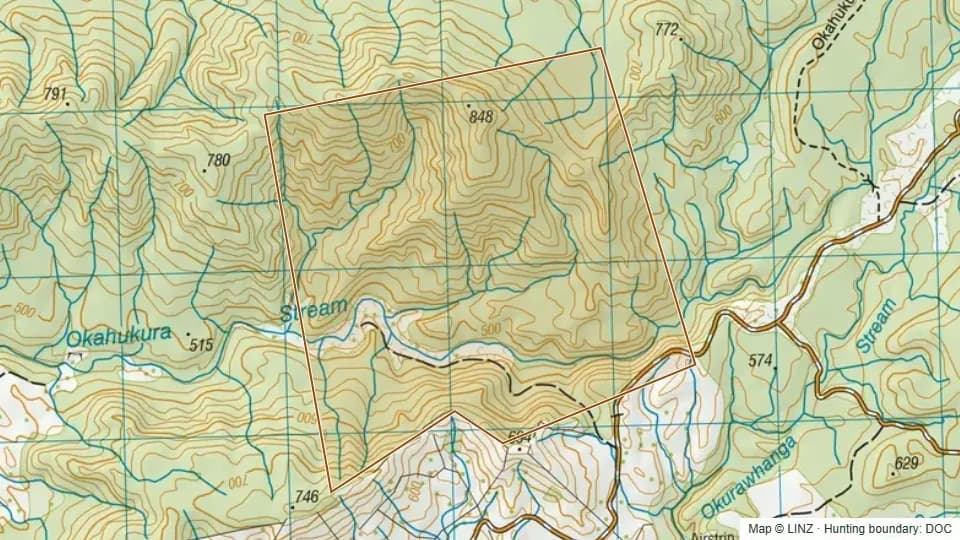 Meyer Block Wildlife Refuge Reserve476 ha
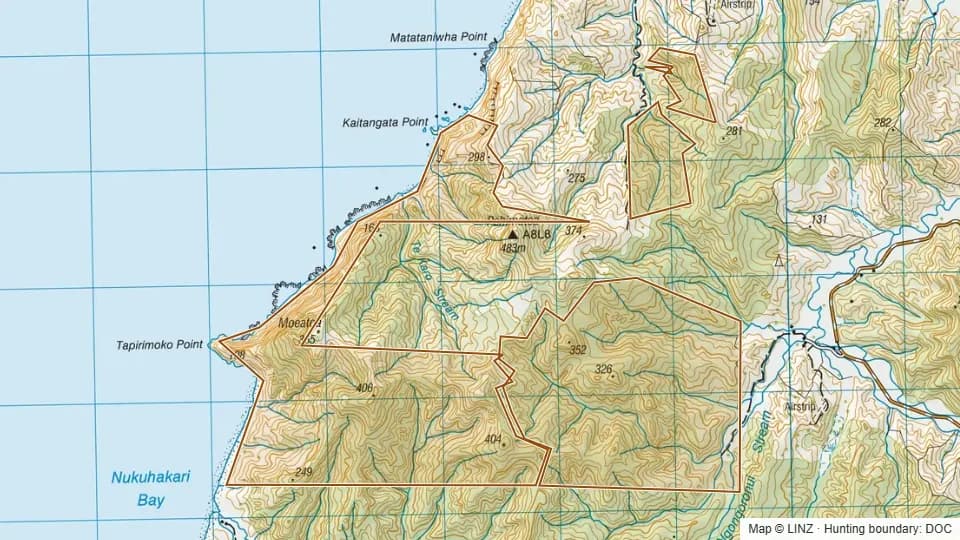 Moeatoa Scenic Reserve746 ha
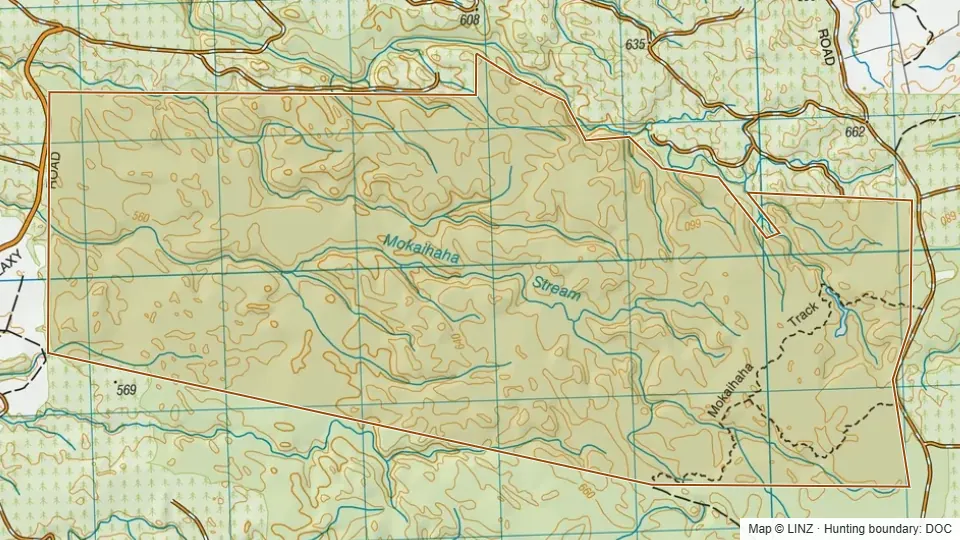 Mokaihaha Ecological Area1,452 ha
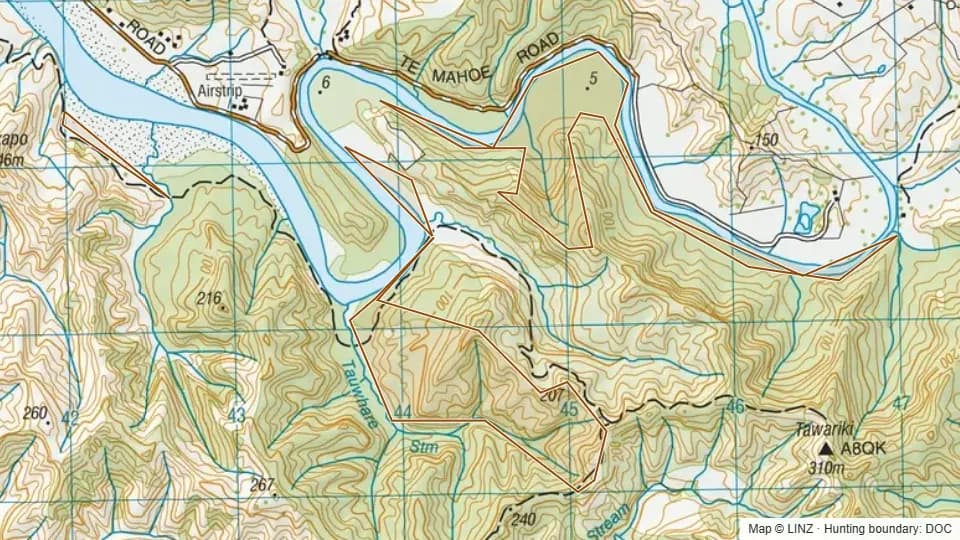 Mokau Conservation Area146 ha
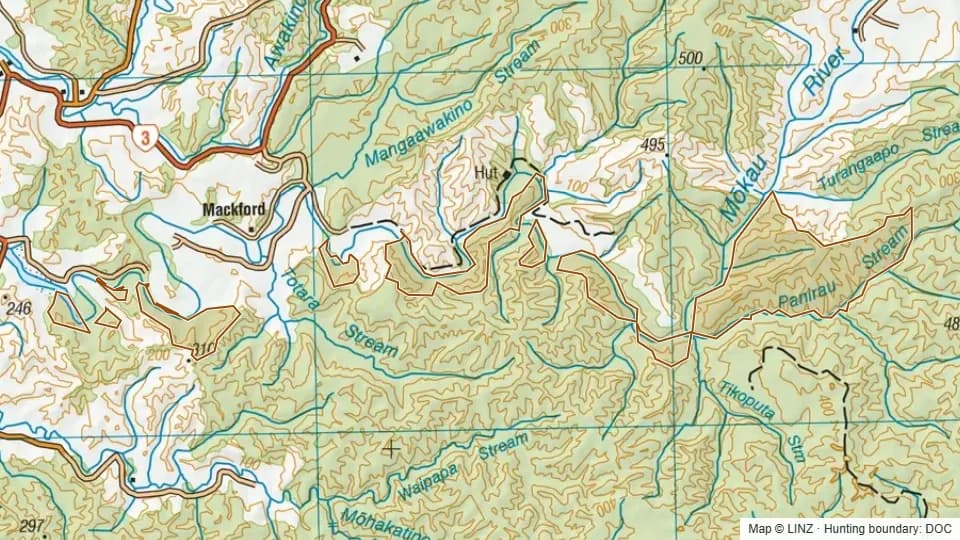 Mokau River Scenic Reserve2,285 ha
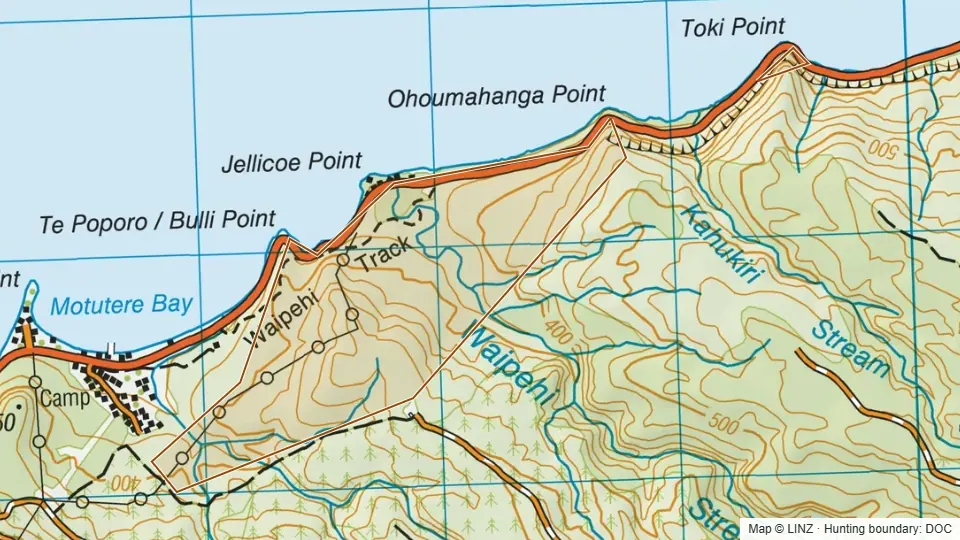 Motutere Scenic Reserve109 ha
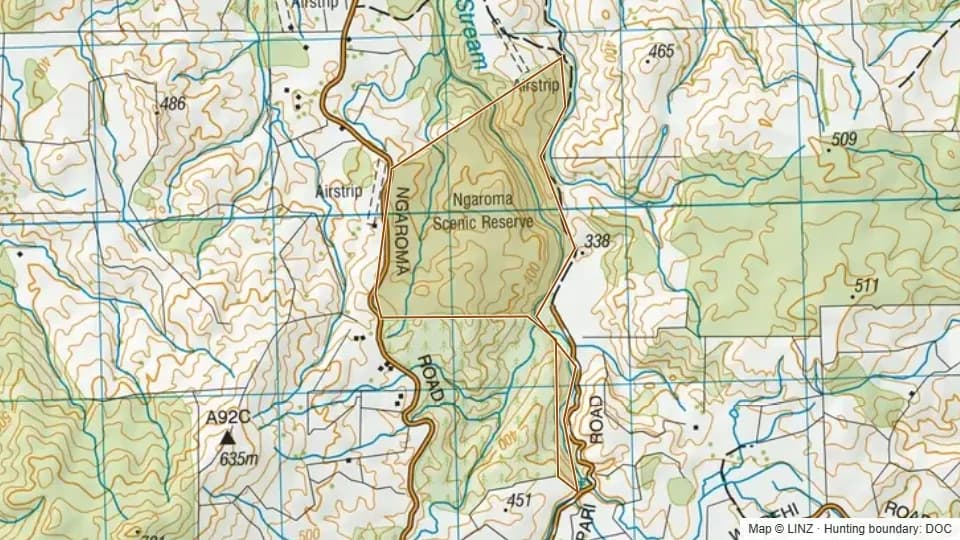 Ngaroma Scenic Reserve123 ha
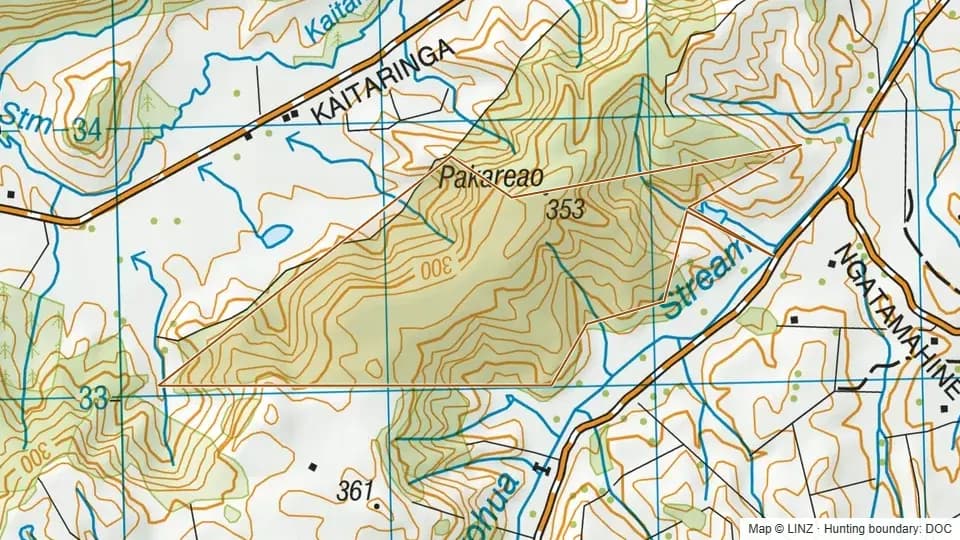 Ngatamahine Scenic Reserve106 ha
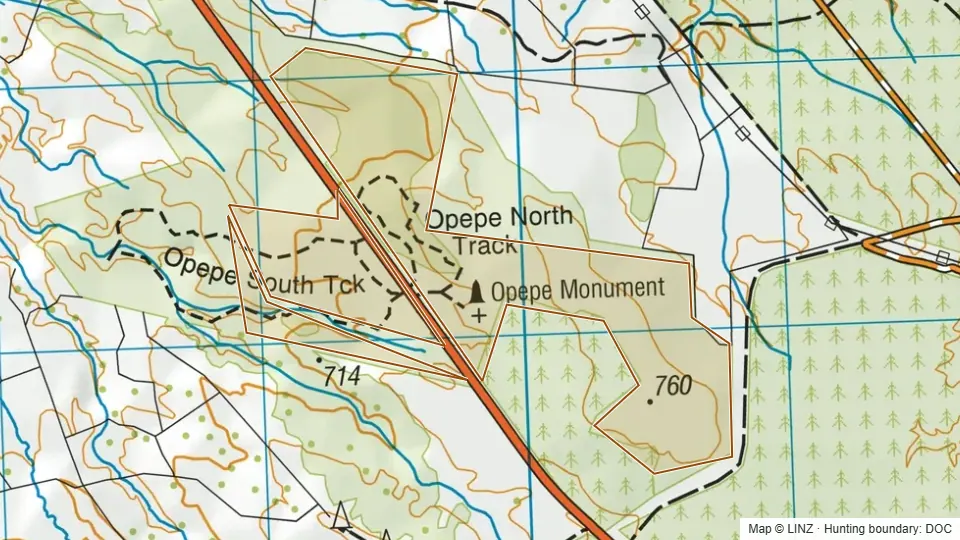 Opepe Bush Scenic & Historic Reserve116 ha
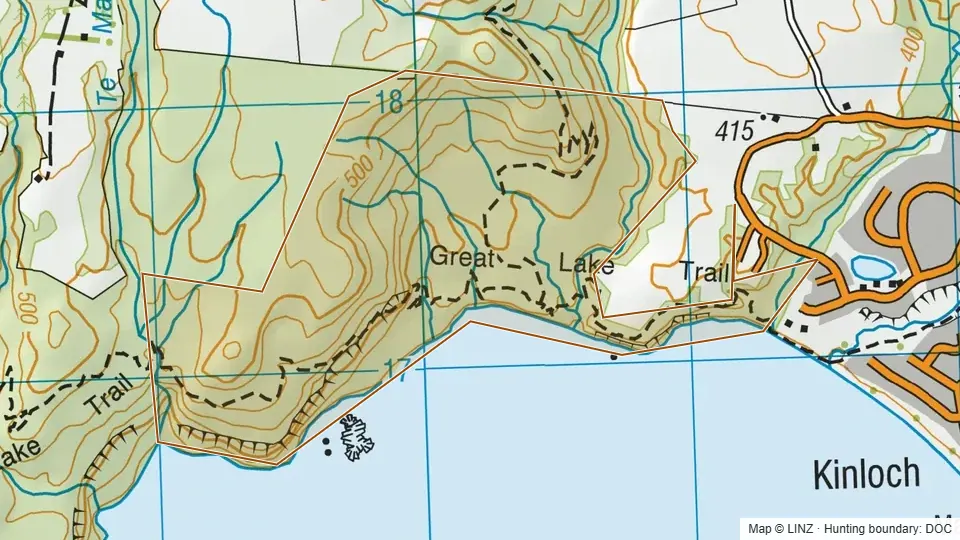 Otaketake Stream Scenic Reserve Part A172 ha
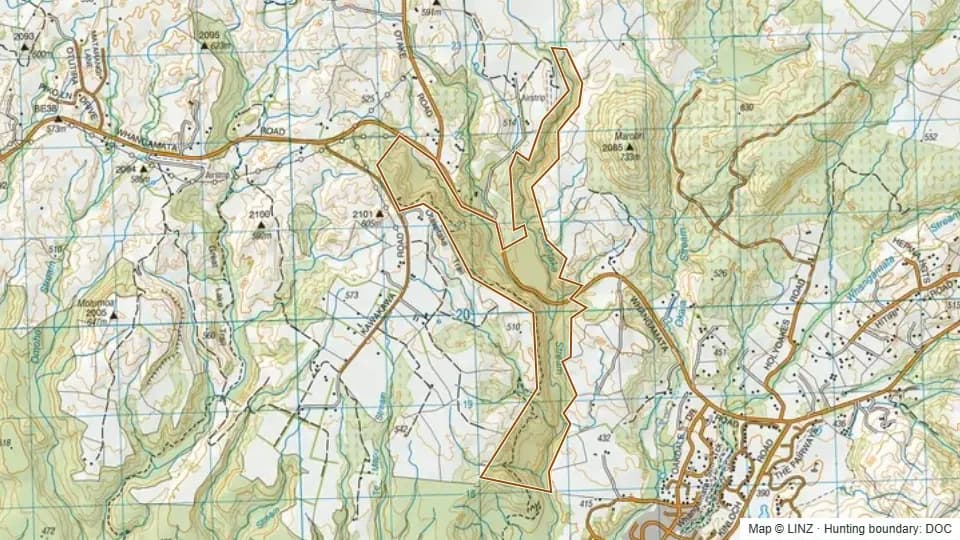 Otaketake Stream Scenic Reserve Part B297 ha
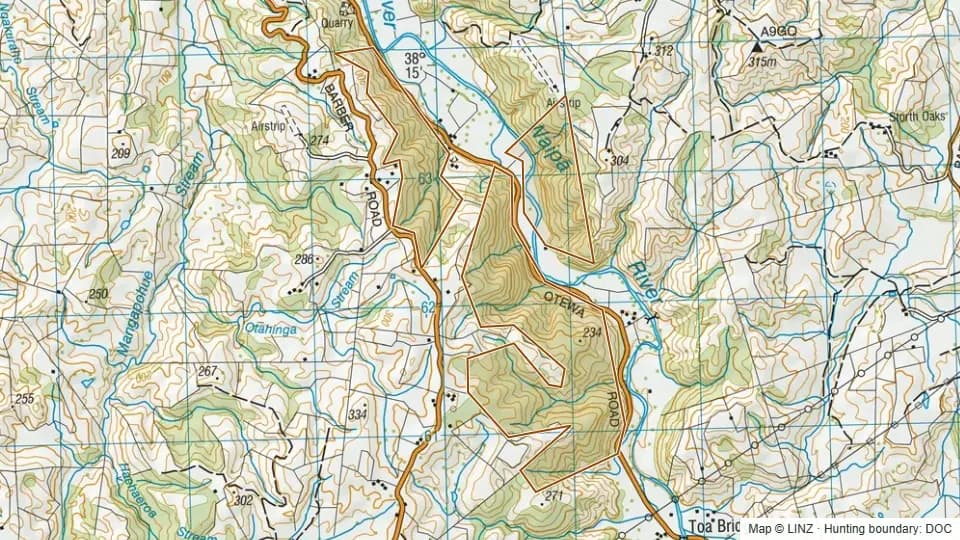 Otoru Scenic Reserve248 ha
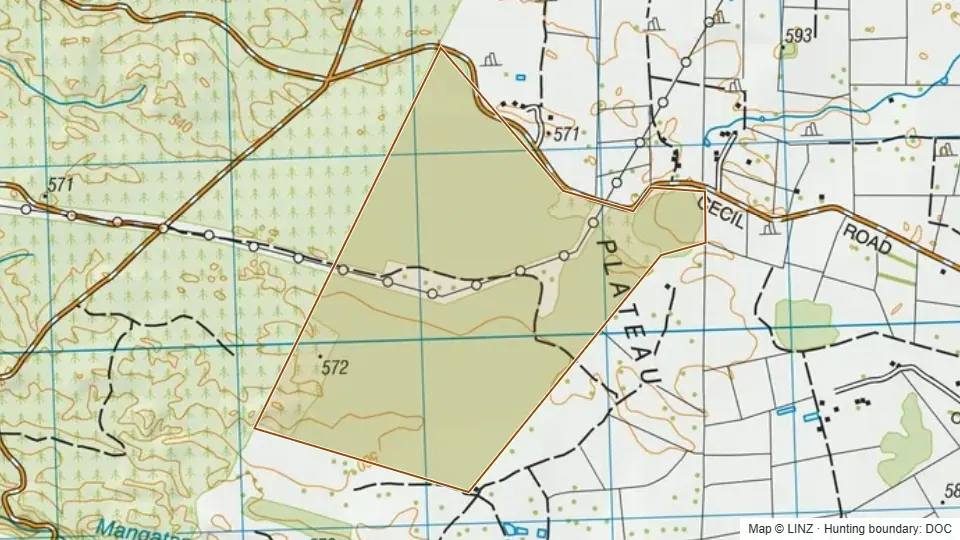 Patetere Scenic Reserve282 ha
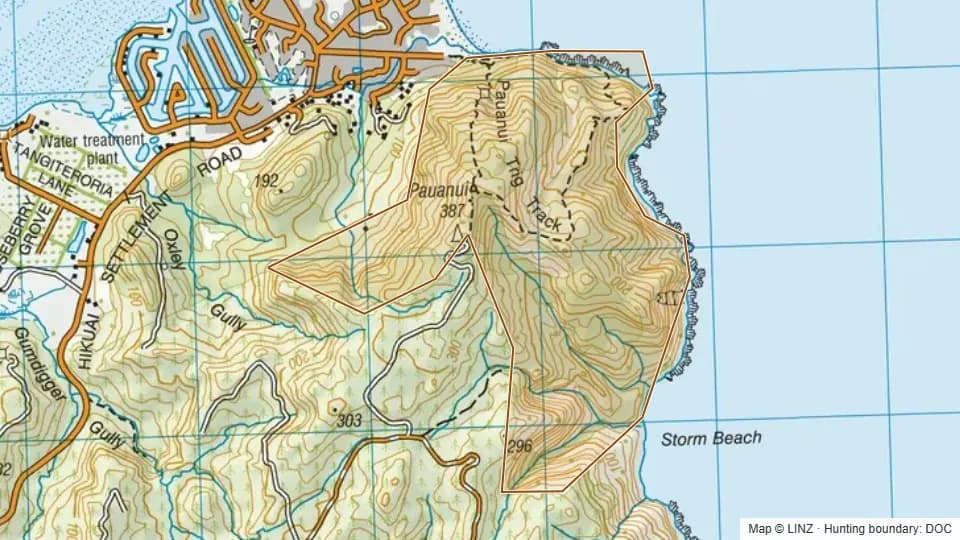 Pauanui Conservation Area292 ha
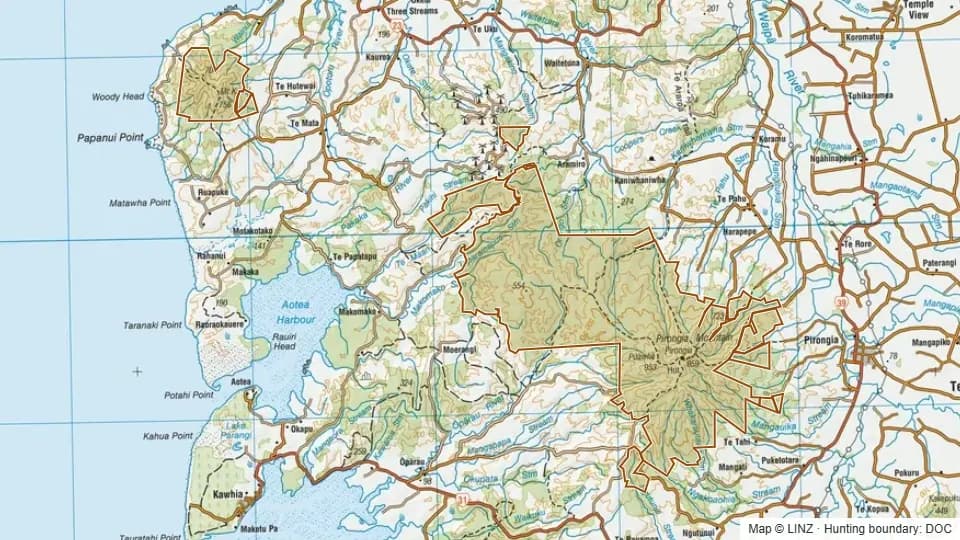 Pirongia Forest Park15,051 ha
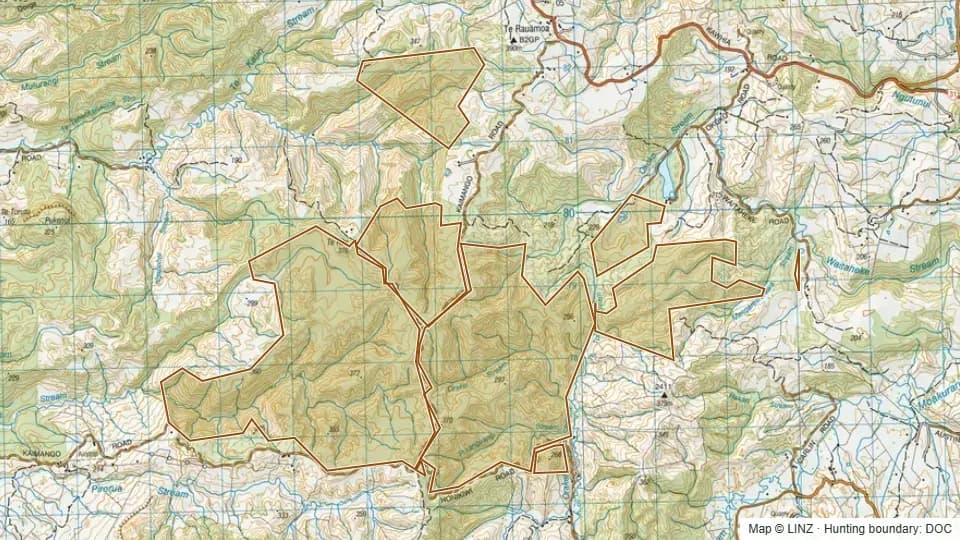 Pirongia Forest Park - King Country1,813 ha
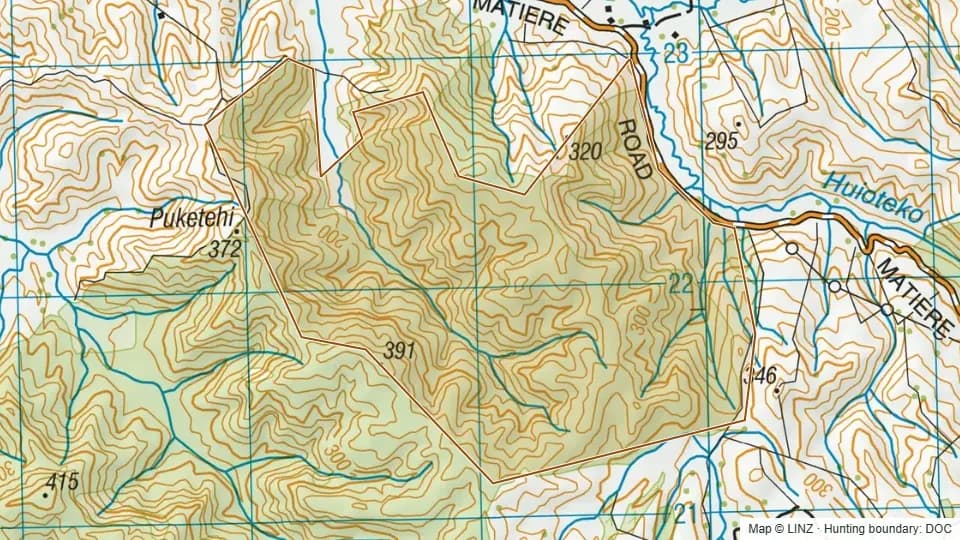 Puketehi Scenic Reserve264 ha
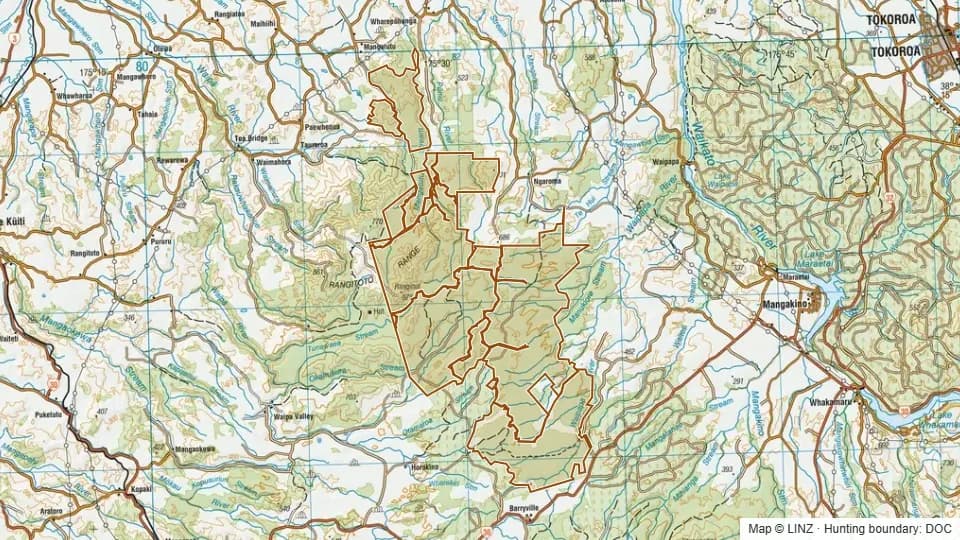 Pureora Recreational Hunting Area17,278 ha
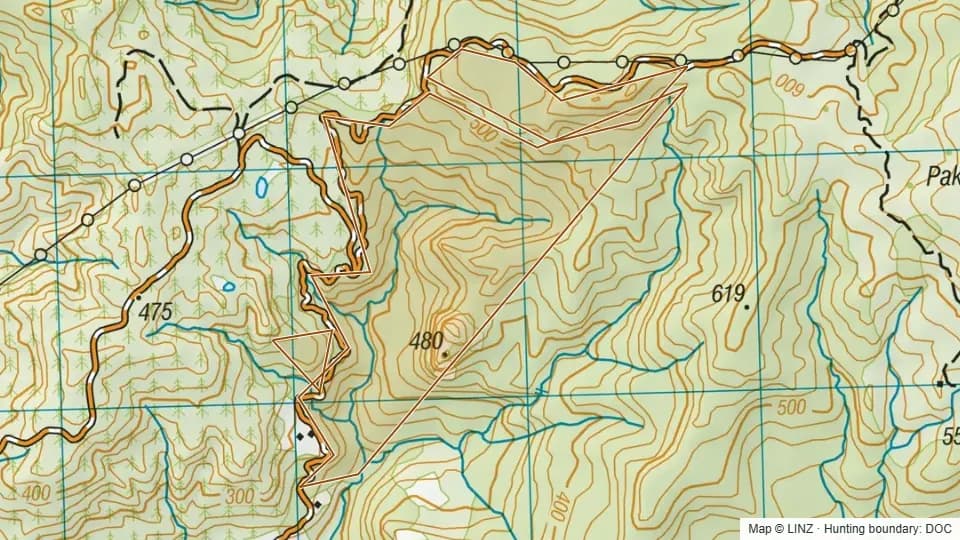 Puriri Scenic Reserve140 ha
 Raepahu Fernbird Ecological Area126 ha
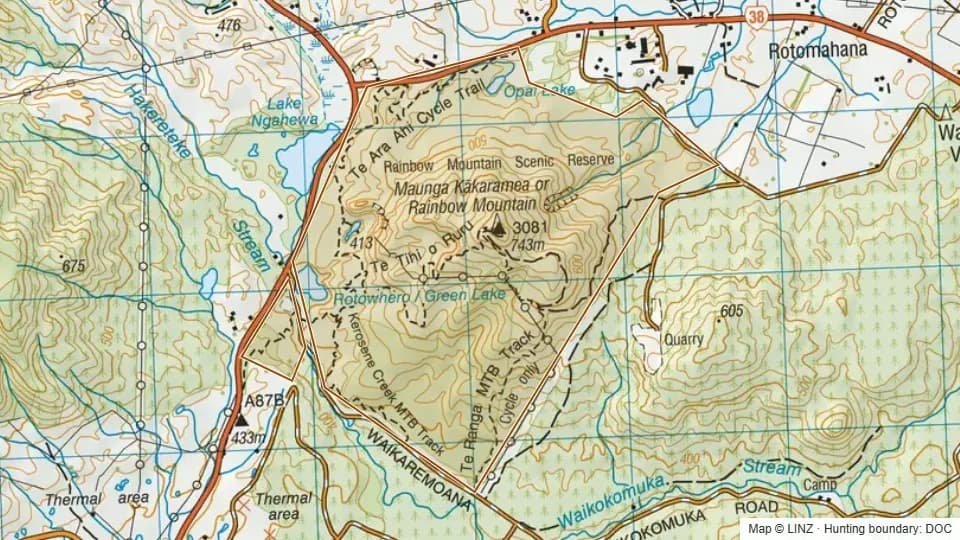 Rainbow Mountain Scenic Reserve - Maunga Kakaramea434 ha
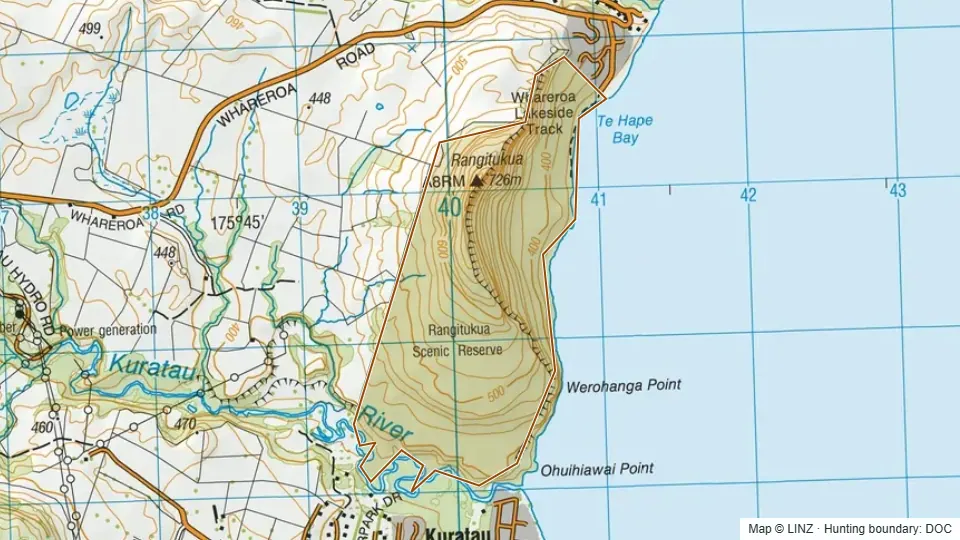 Rangitukua Scenic Reserve262 ha
 Rararimu Stream Scenic Reserve237 ha
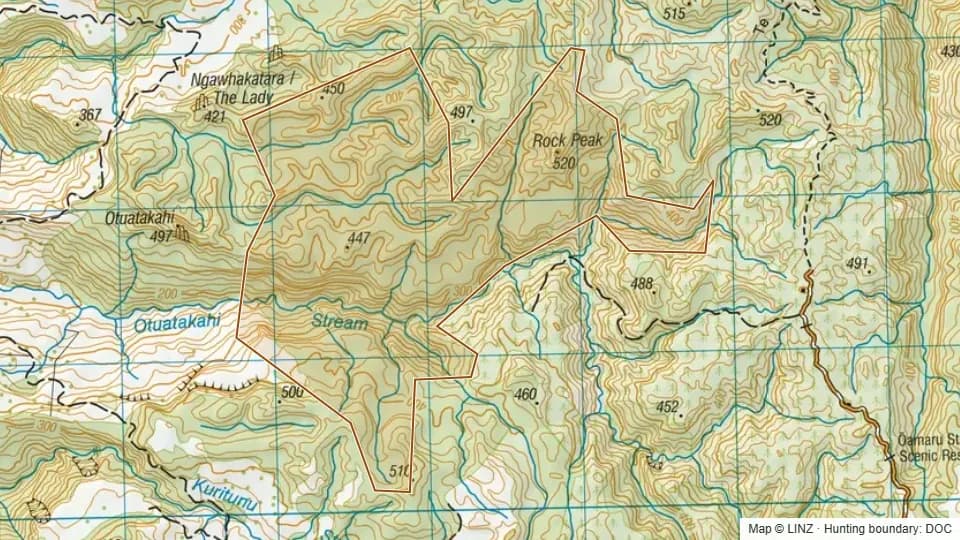 Scenic Reserve - Hauturu East404 ha
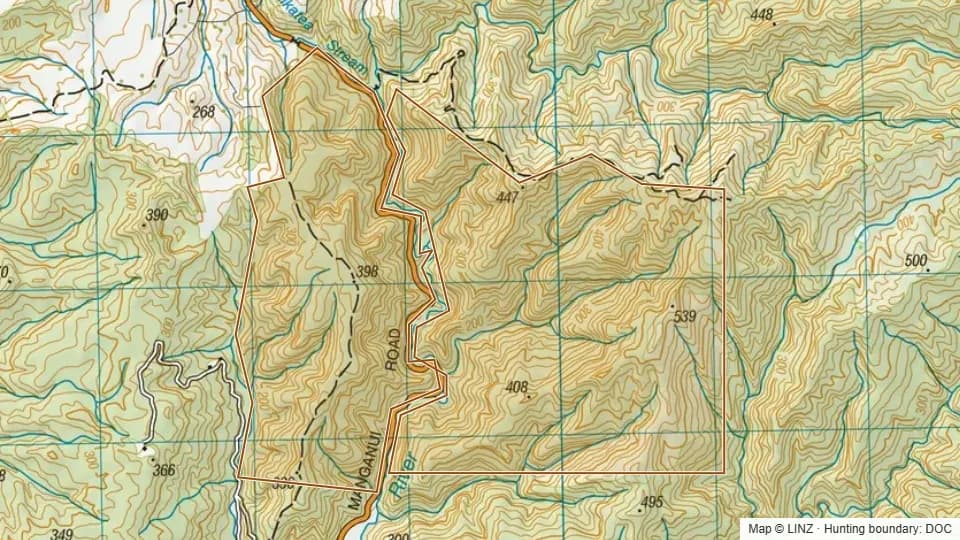 Scenic Reserve - Manganui Road658 ha
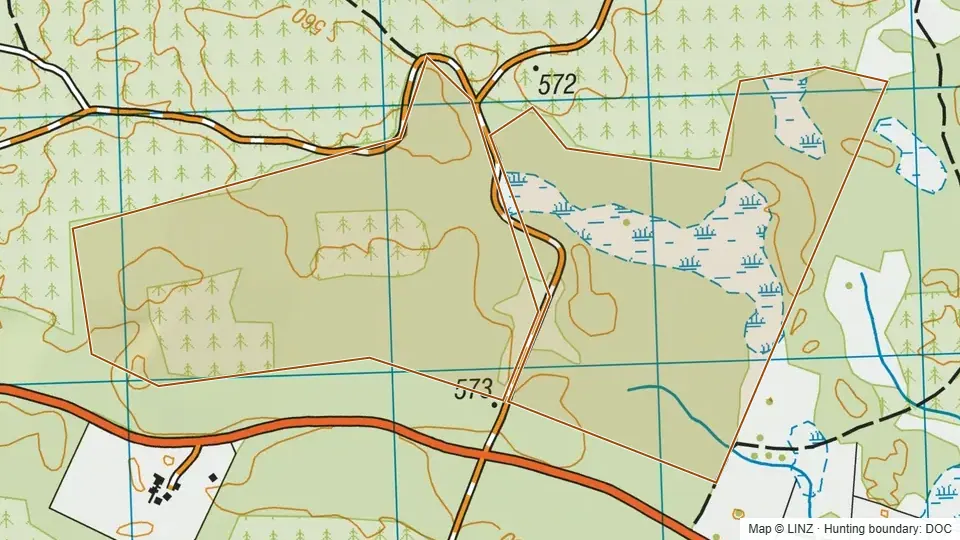 Scenic Reserve - Omanawa Rd260 ha
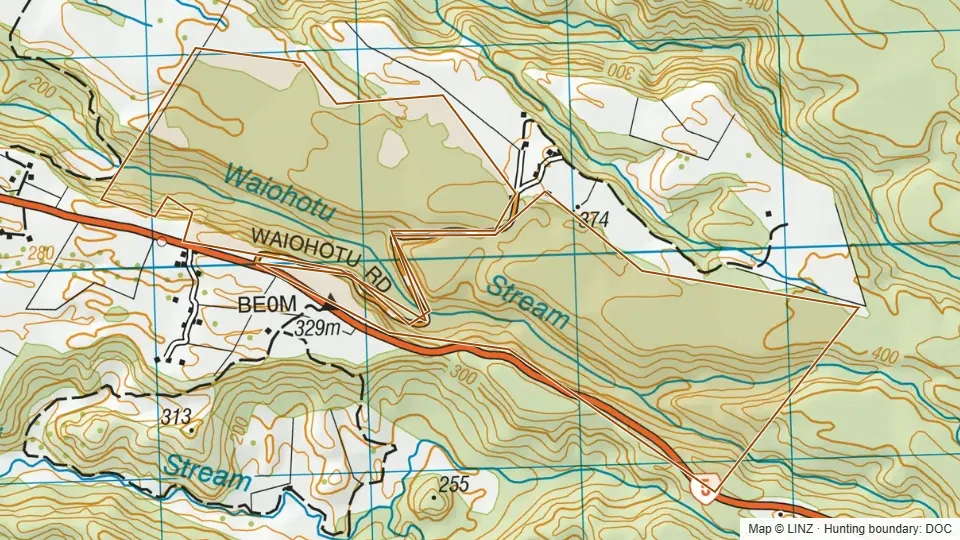 Selwyn Scenic Reserve274 ha
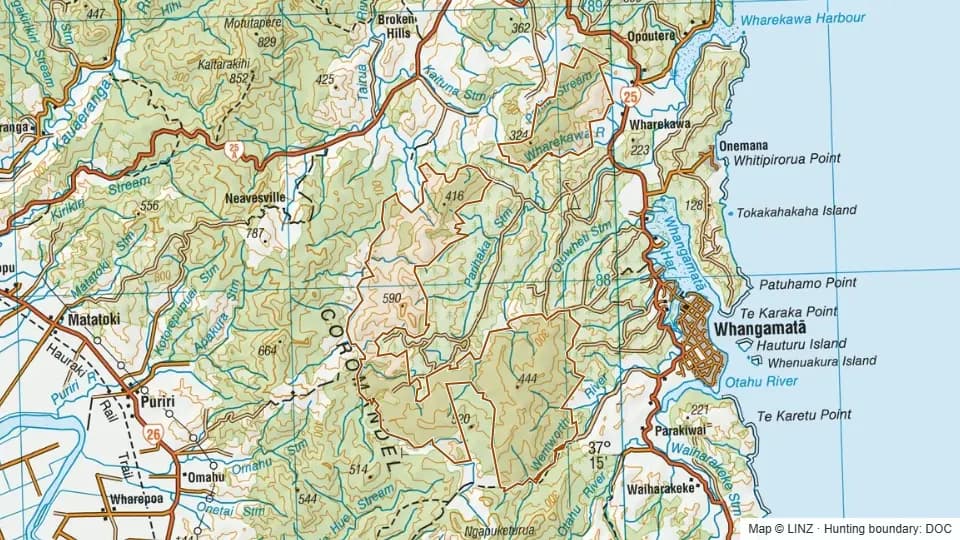 Tairua Forest Conservation Area5,108 ha
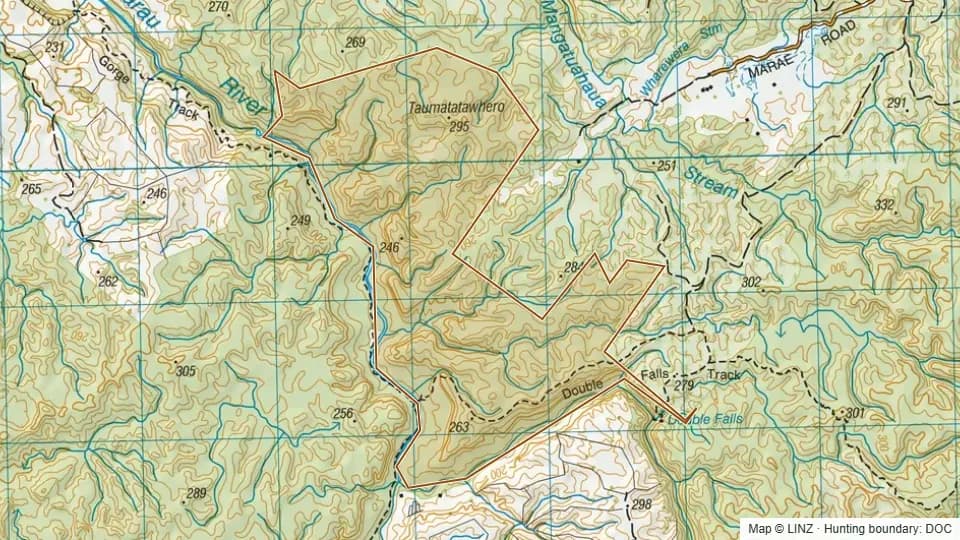 Taumatatawhero Ecological Area414 ha
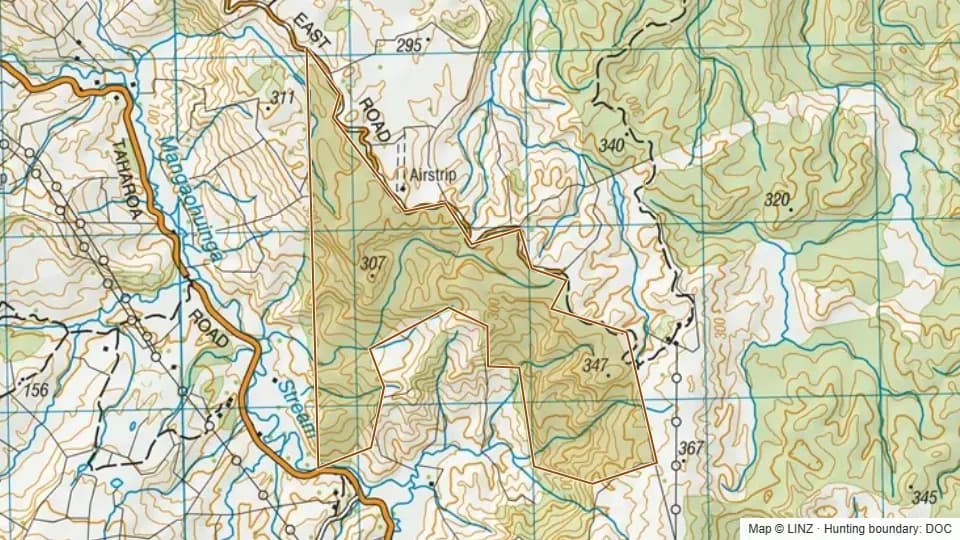 Taumatatotara East Scenic Reserve188 ha
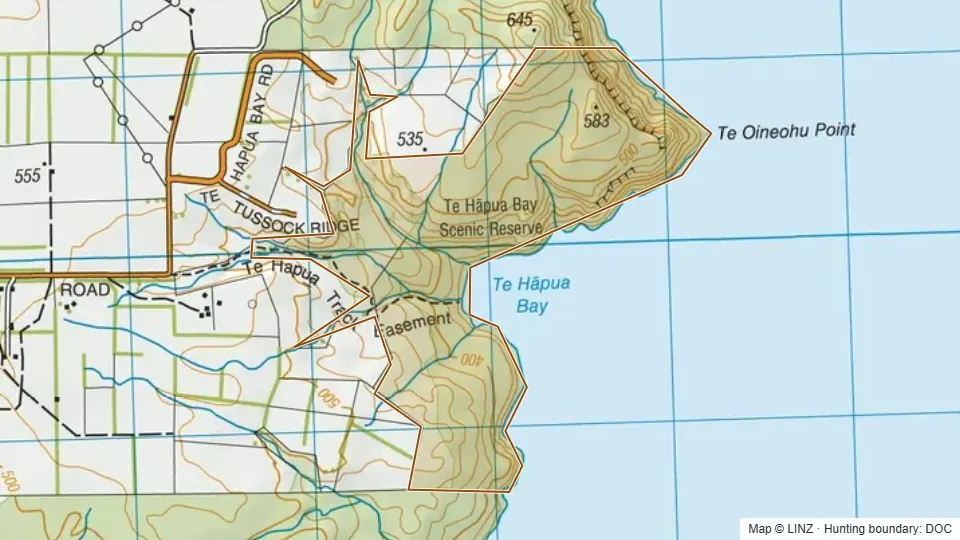 Te Hapua Bay Scenic Reserve241 ha
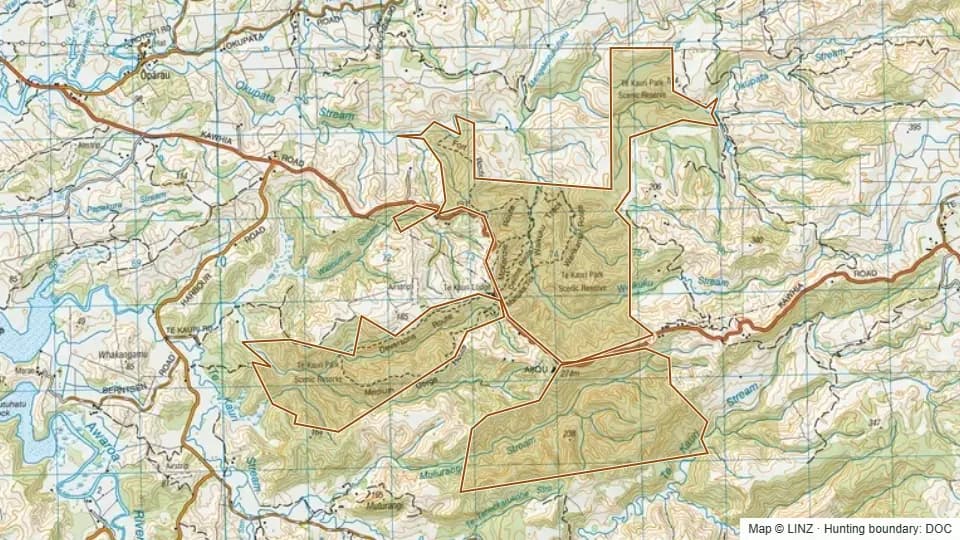 Te Kauri Park Scenic Reserve1,011 ha
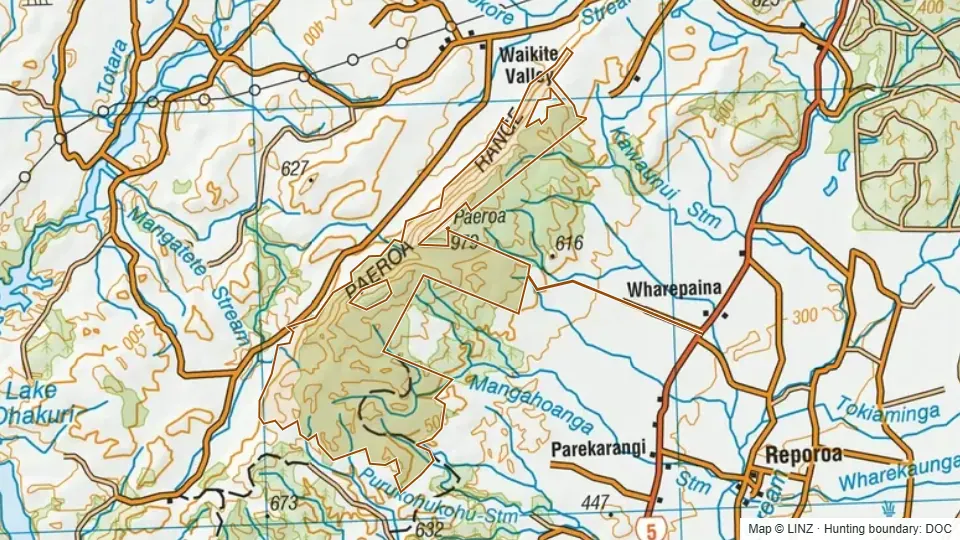 Te Kopia Scenic Reserve2,197 ha
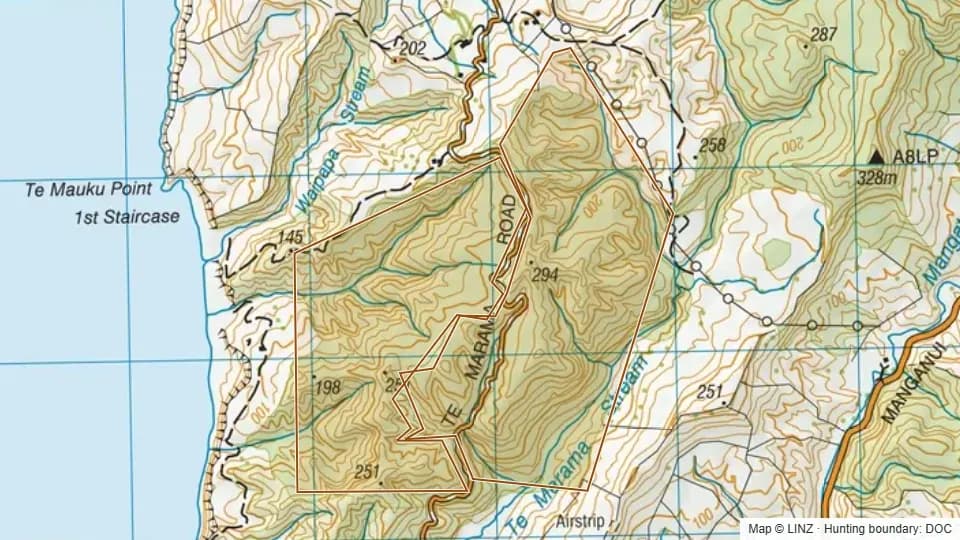 Te Marama Scenic Reserve332 ha
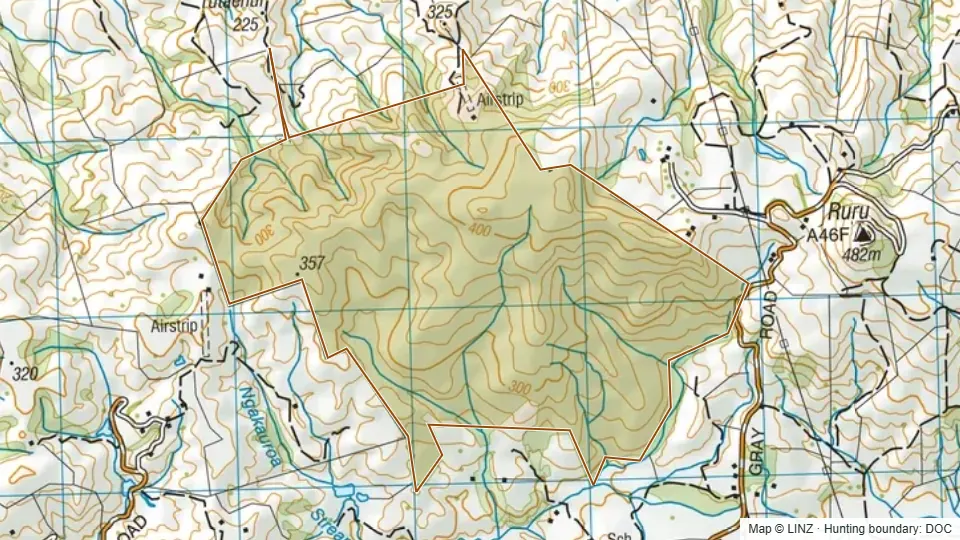 Te Miro Scenic Reserve403 ha
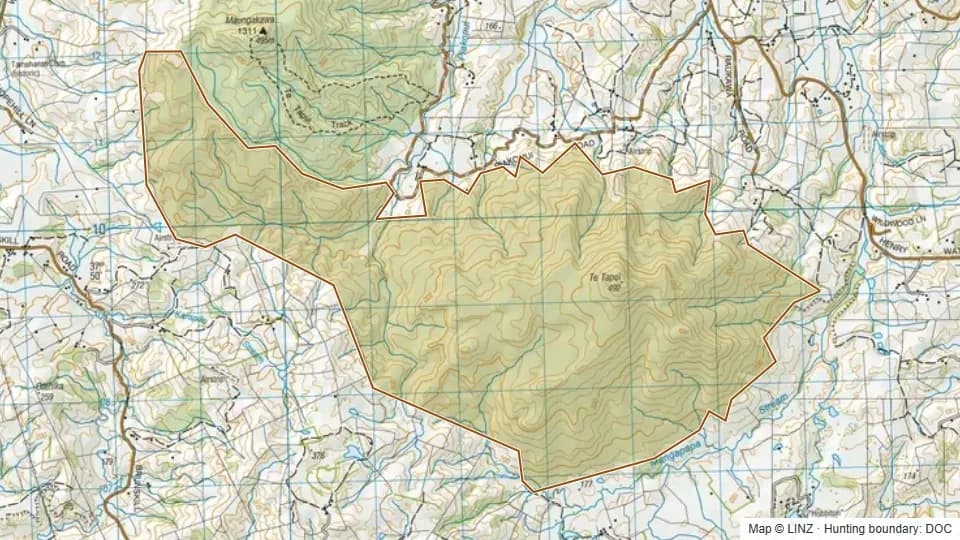 Te Tapui Scenic Reserve - Ngāti Hauā Giftback1,755 ha
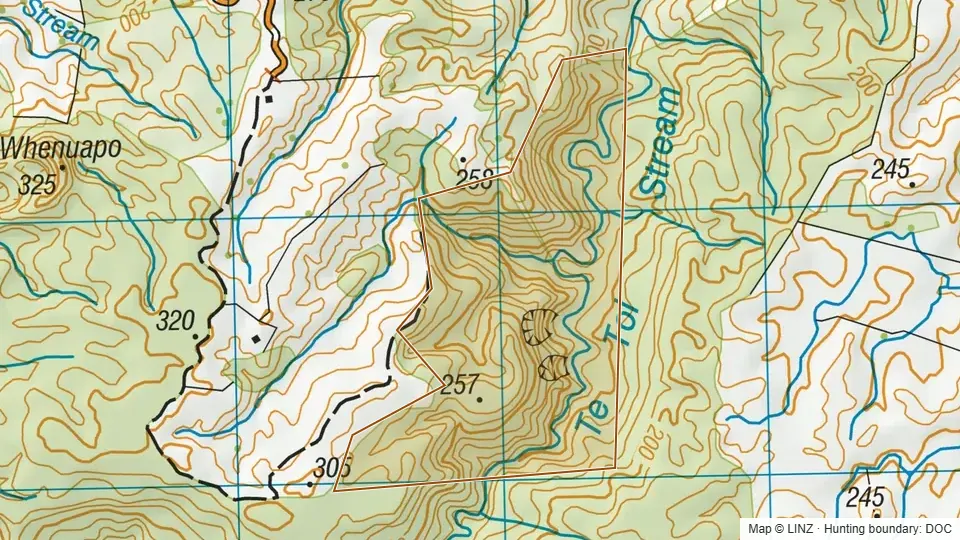 Te Toi Stream Scenic Reserve104 ha
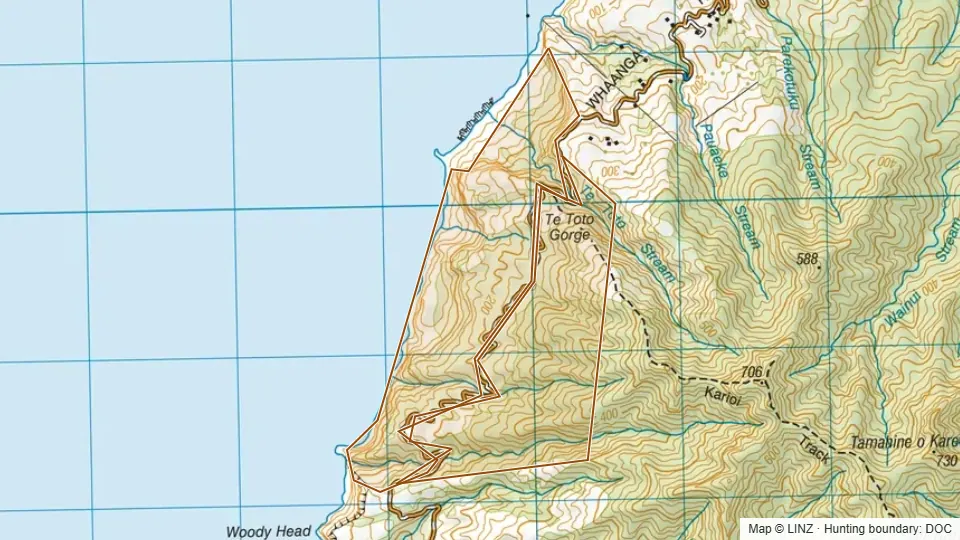 Te Toto Gorge Scenic Reserve289 ha
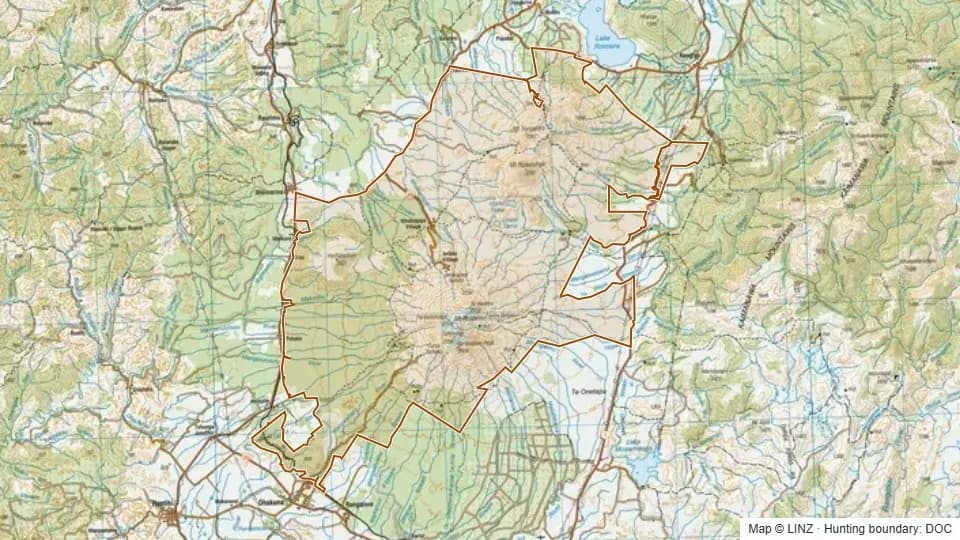 Tongariro National Park (Part)79,029 ha
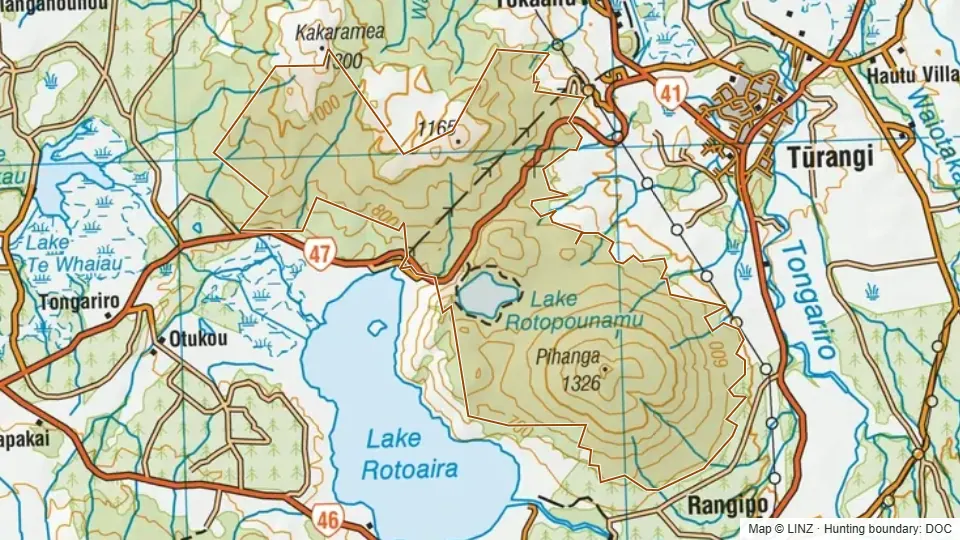 Tongariro National Park (Part2)78,679 ha
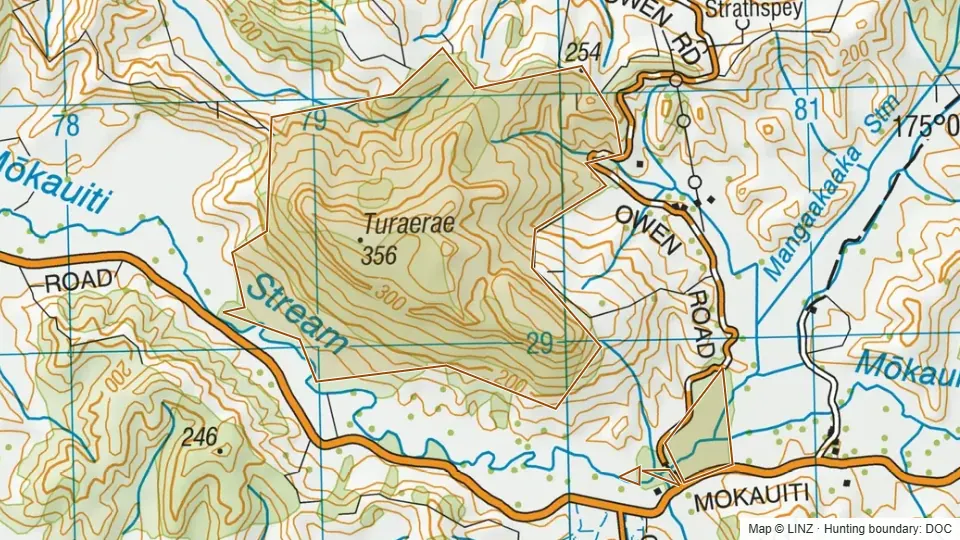 Turaerae Scenic Reserve168 ha
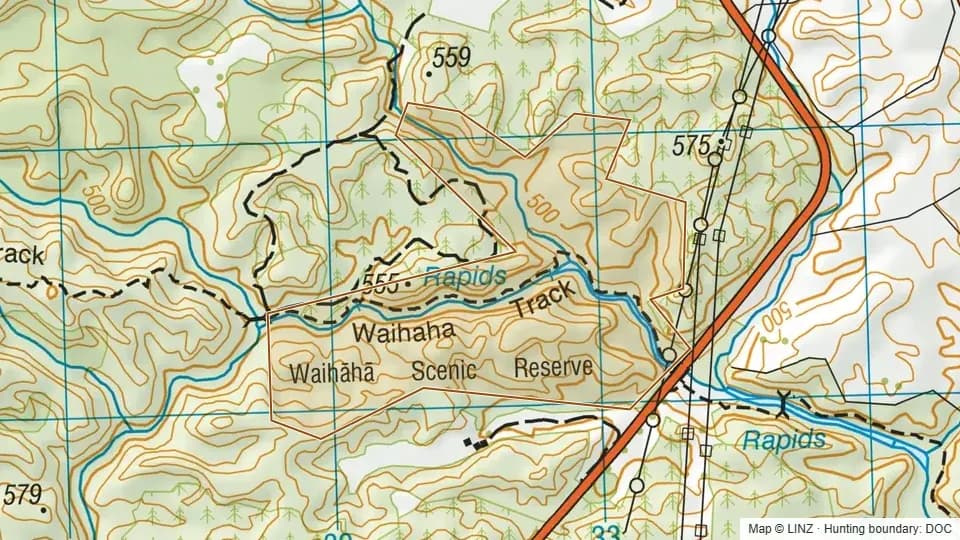 Waihaha Scenic Reserve112 ha
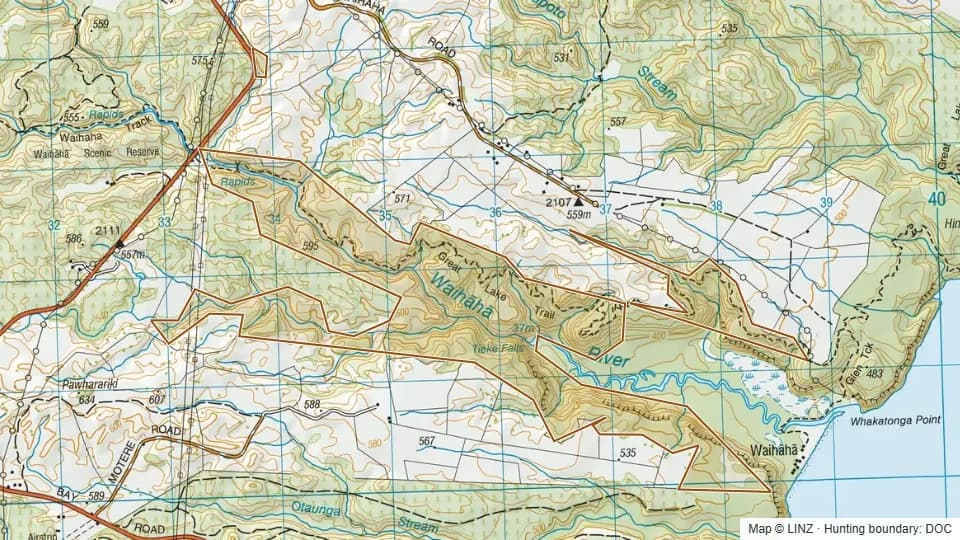 Waihaha Scenic Reserve (Part)481 ha
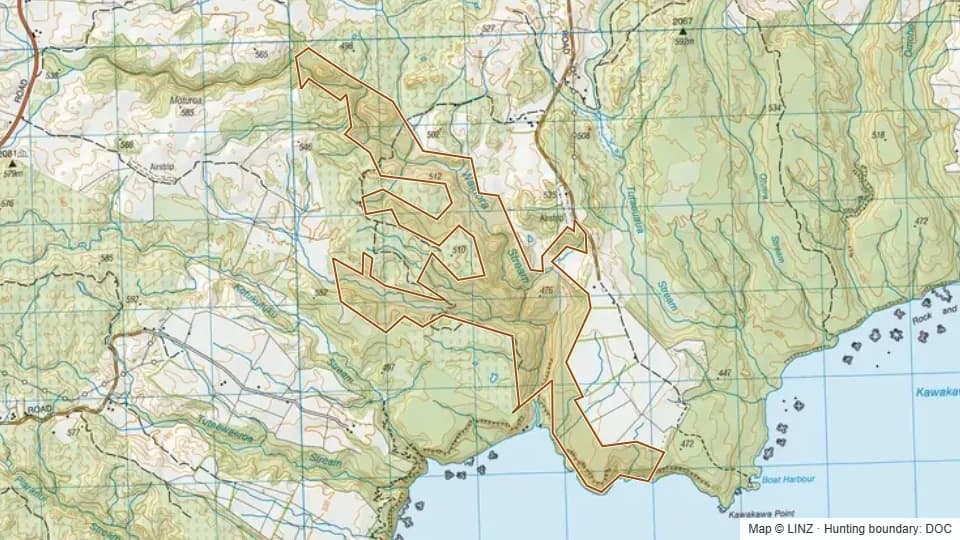 Waihora Stream Scenic Reserve470 ha
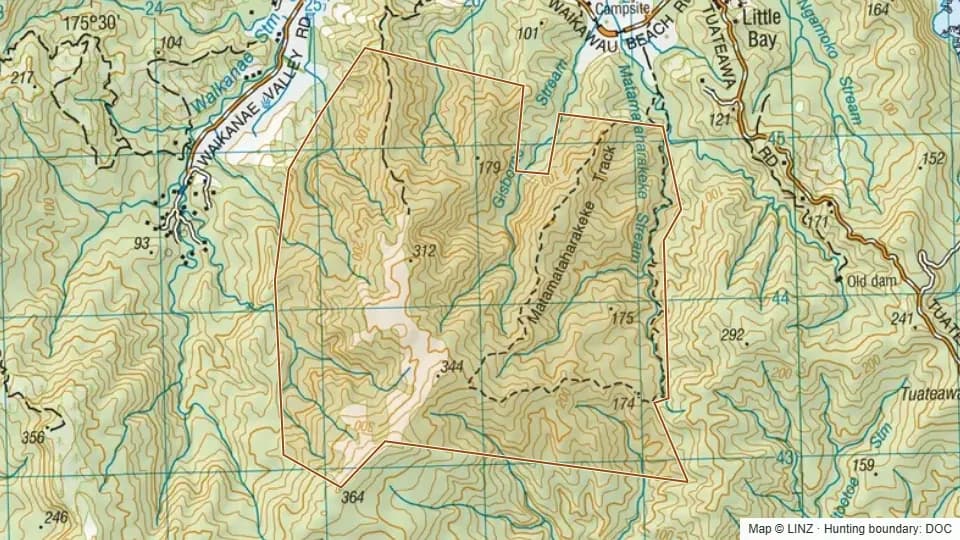 Waikawau Bay Farm Park Recreation Reserve564 ha
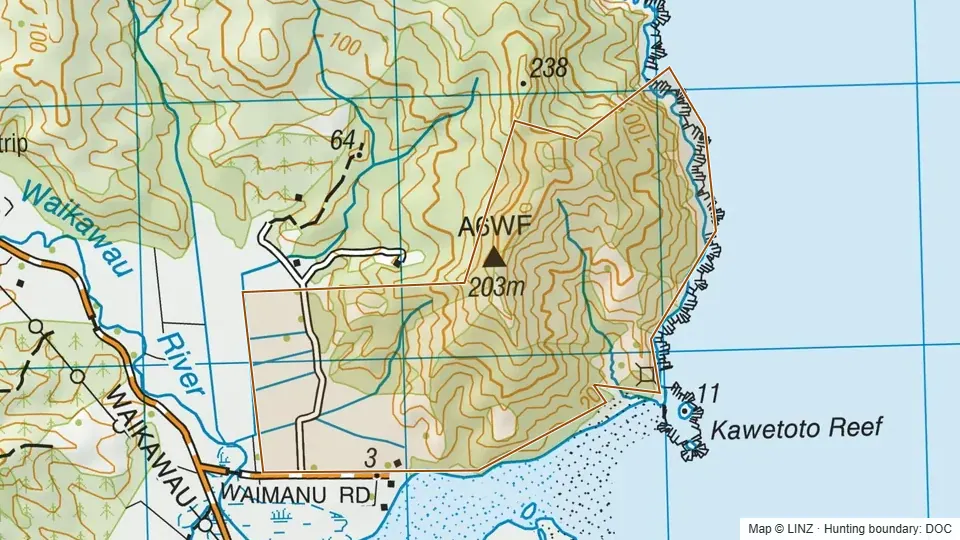 Waikawau Bay Scenic Reserve155 ha
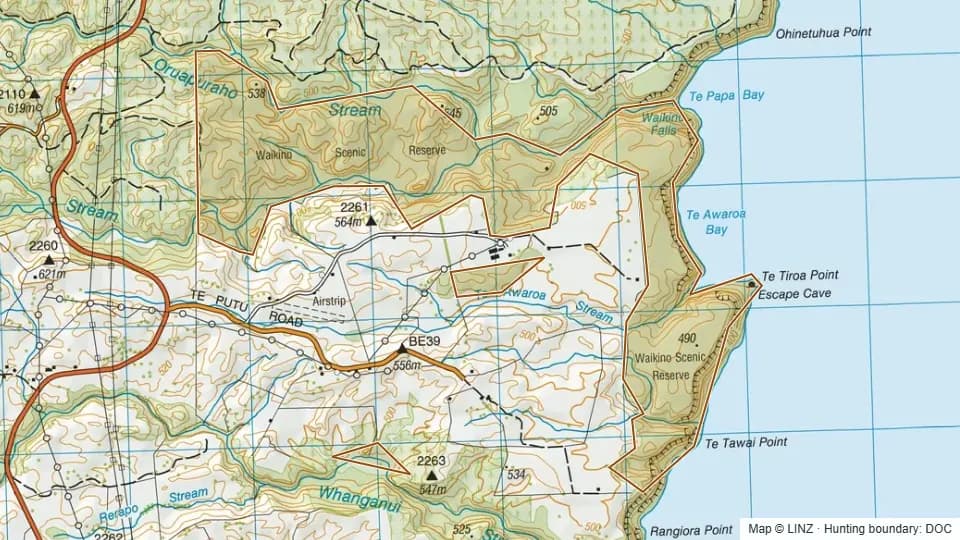 Waikino Scenic Reserve460 ha
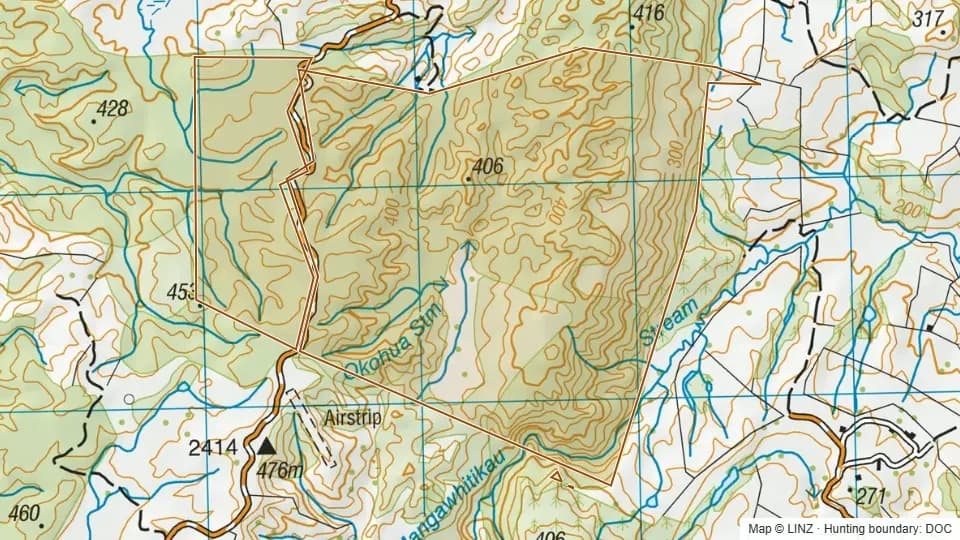 Waipuna Scenic Reserve350 ha
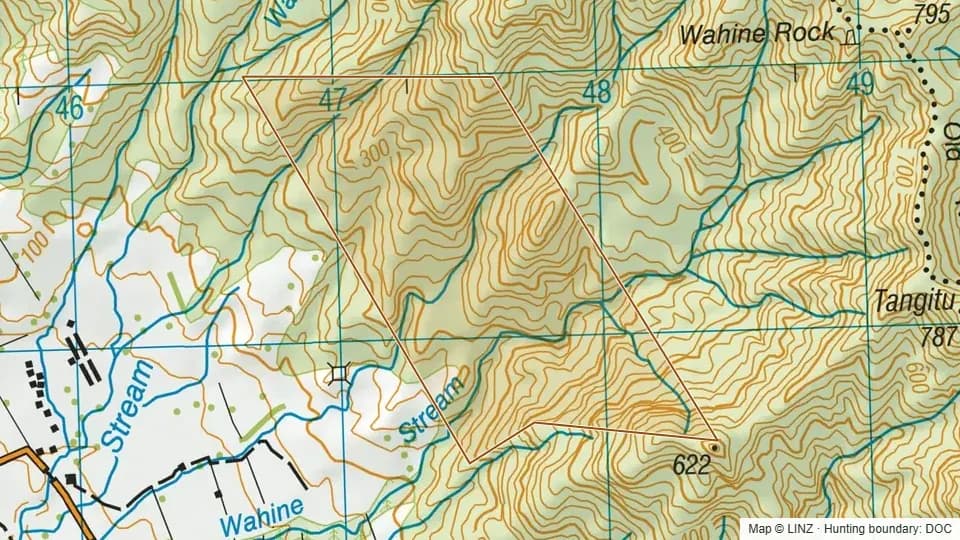 Wairakau Scenic Reserve131 ha
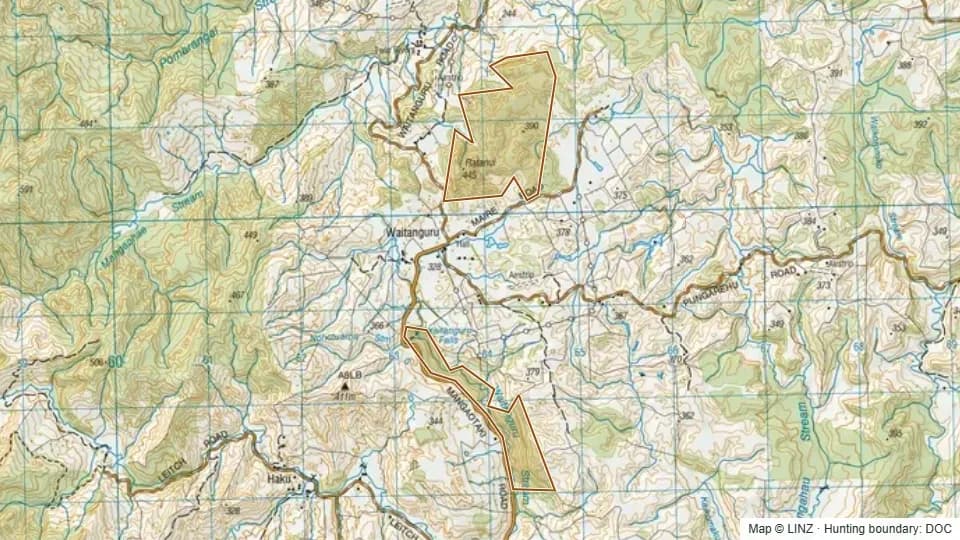 Waitanguru Scenic Reserve188 ha
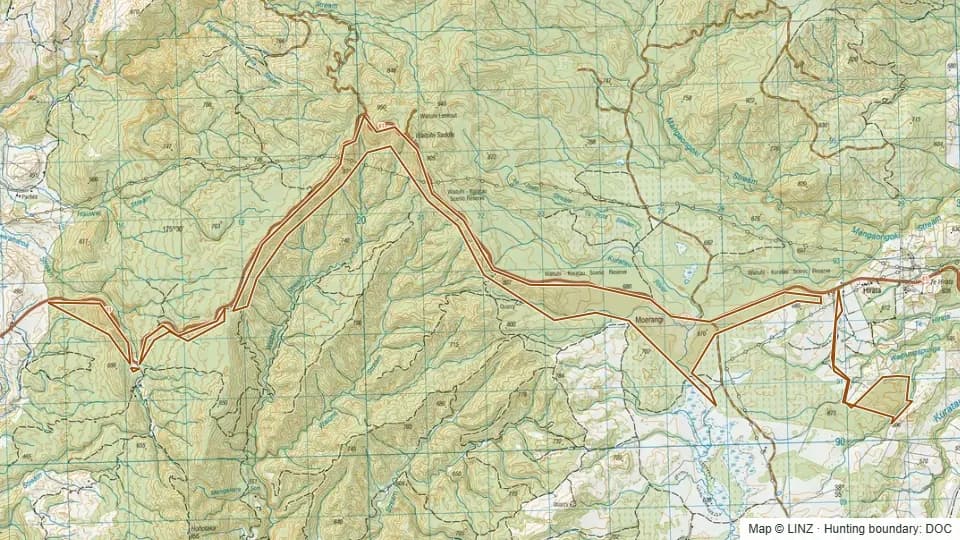 Waituhi Kuratau Scenic Reserve (Part)494 ha
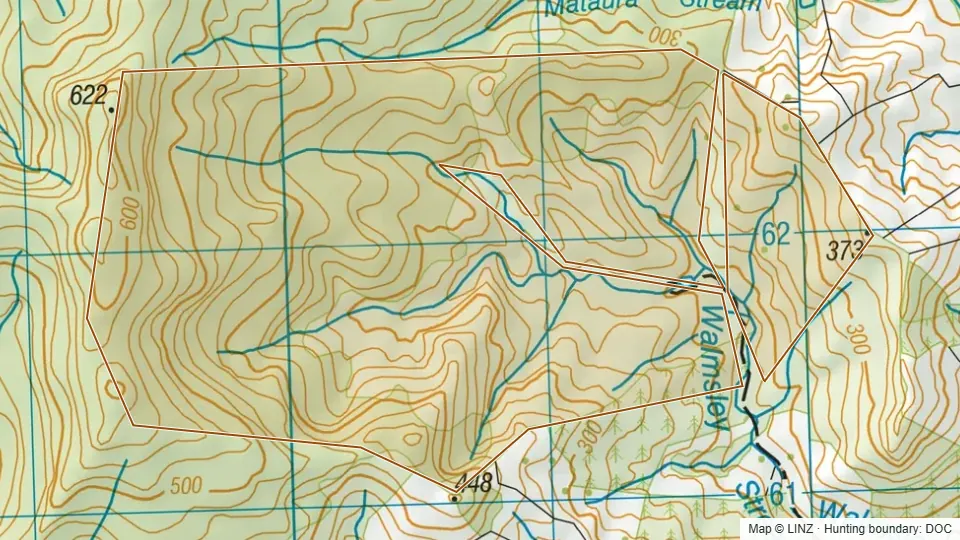 Water Conservation - Waihi376 ha
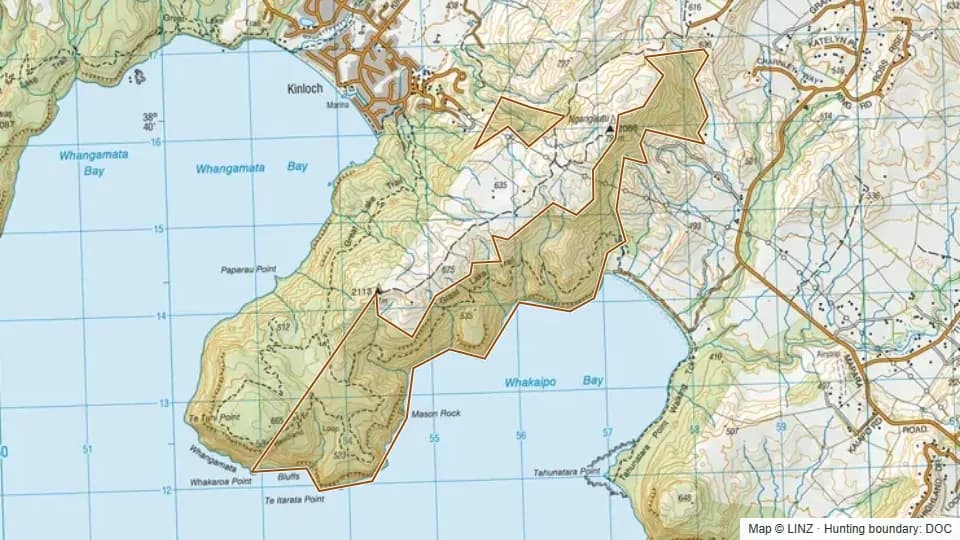 Whakaipo Bay Scenic Reserve547 ha
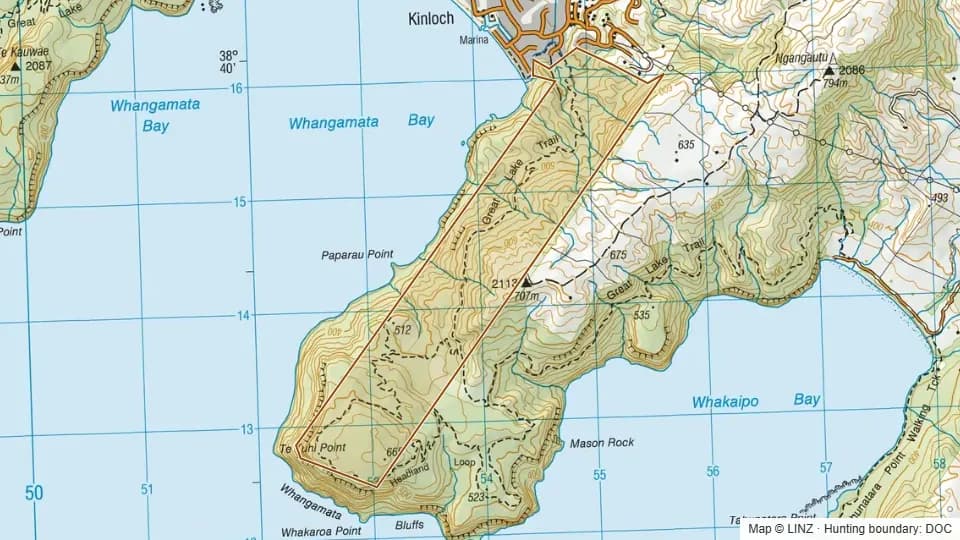 Whakaroa Point Recreation Reserve360 ha
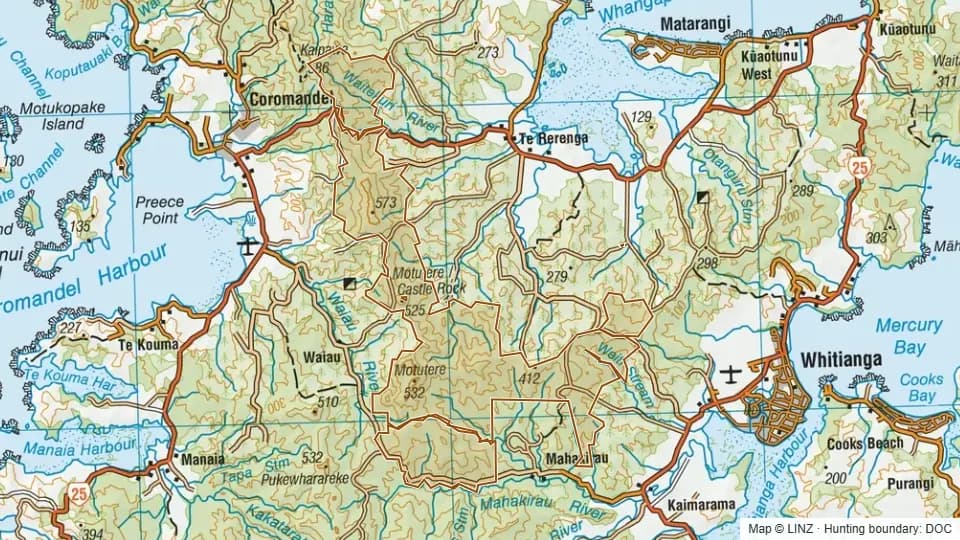 Whangapoua Forest Conservation Area4,227 ha