Dama dama
Fallow Deer
See Fallow Deer range on the map
View where Fallow Deer are found across New Zealand
Plan a guided fallow deer hunt
Outfitters, packages, and pricing for guided Fallow Deer hunts
Overview
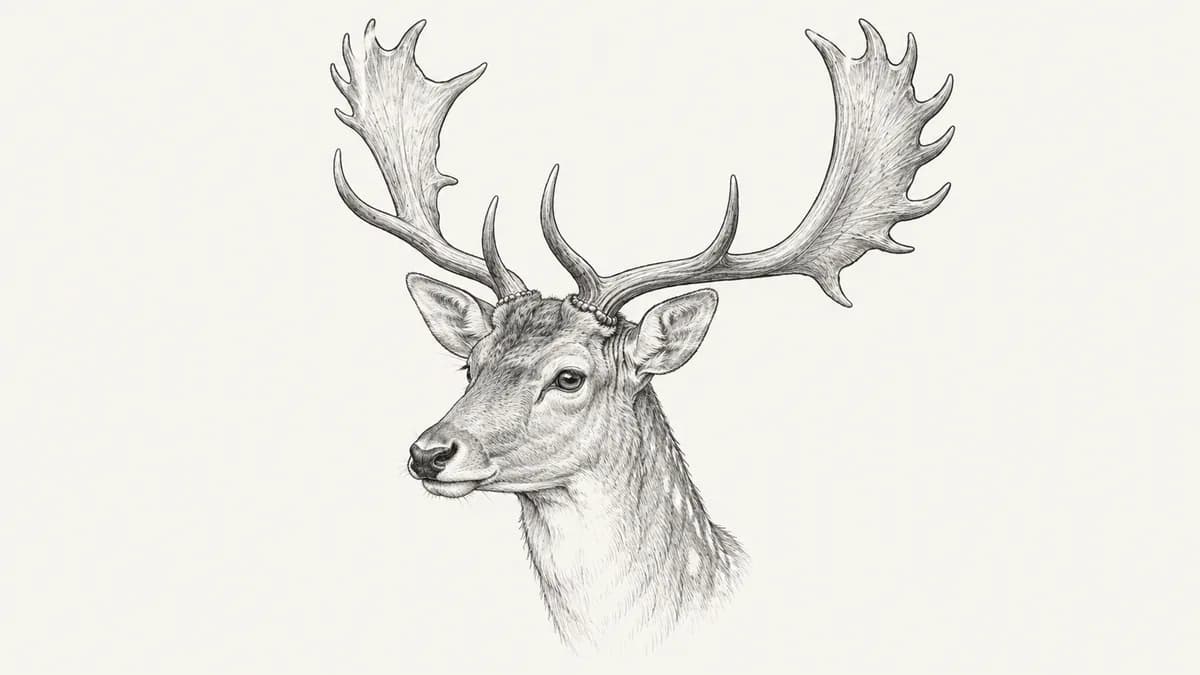
Fallow deer (Dama dama) are smaller, more herd-oriented than red deer, and carry the most visually distinctive antlers of any species in New Zealand — broad palms with multiple "spellers" coming off the back edge. They occupy discrete pockets rather than continuous range, and the best public-land herds are very stable on their traditional ground. Fallow are widely regarded as an excellent first deer for new hunters: they hold tight on familiar country, feed in the open at dawn and dusk, and provide superb eating.
Origins & Herd History
Fallow were first released in the Nelson region in 1864 from European park stock, with further liberations in the 1880s and 1890s into Otago (the Blue Mountains), the Wakatipu basin, the Wanganui hill country, and Marlborough. Unlike red deer, fallow did not spread continuously across the country — instead they established discrete herds tied to their release sites, and most of those original herds are still recognisable today.
- Blue Mountains (West Otago) — released in the 1890s from English park stock; the country's largest free-range fallow herd
- Caples and Wakatipu — released about the same time; classic South Island fallow country
- Wanganui hill country — released in the 1870s from park stock; the strongest North Island herd
- Marlborough back-country — patchy populations from later releases
- Bay of Plenty, Mamaku, and East Coast pockets — smaller herds, some from translocations in the early 1900s
Where to Find Them
Fallow occupy discrete pockets rather than continuous range. Numbers are generally stable on managed blocks and rebound quickly from hunting pressure.
- Blue Mountains (West Otago) — open ridges, pine edges, regenerating bush
- Wakatipu, Caples, and Greenstone valleys — classic South Island fallow country
- Wanganui / Whanganui hill country — North Island stronghold
- Mamaku Plateau and Bay of Plenty — central North Island pockets
- Nelson Lakes / Marlborough back country — long-established remnant herd
- East Coast and Hawke's Bay forestry blocks — dispersed pockets
Behaviour & Habitat
Fallow are strongly herd-oriented, with does and yearlings forming large maternal mobs and bucks living separately for most of the year. They favour mosaic country with open pasture or grass alongside cover — pine plantations and regenerating bush margins are classic fallow habitat. Daily movement is similar to red deer: dawn and dusk feeding in the open, bedding in cover through the day. Fallow generally tolerate more open country and human activity than red deer; in the Blue Mountains they will feed in clear daylight on forestry roadside grass.
Diet is grass-dominant with significant browse on pine, broadleaf, and pasture clovers. Coat colours are highly variable: common (tan with white spots in summer), menil (paler, less spotted), and chocolate or black phases all occur in New Zealand herds, sometimes within the same group.
Hunting Fallow Deer
The fallow rut, known as the groan, runs from mid-April into May — about three weeks after the red roar peaks. Bucks set up stands on traditional rutting ground, scrape with their antlers, and produce a deep, guttural belching call that carries surprisingly far on still mornings. Locating a groaning buck and stalking the stand is the iconic way to hunt them.
Outside the rut, fallow are best hunted by glassing pasture-bush edges at first and last light. They prefer open country more than red deer and will feed well into the morning on cool, overcast days. Mobs of does and yearlings are often visible from a long way off, with mature bucks holding back in cover. A free DOC permit is required on public conservation land.
Seasons & Timing
| Period | What's happening | Where it matters most |
|---|---|---|
| Mid Apr–mid May | The groan — peak rut | Blue Mountains, Wakatipu, Wanganui |
| May–Aug | Winter — strong hunting, mobs visible | All herds; clear weather best |
| Sep–Oct | Antler drop | Bucks bachelor up |
| Nov–Mar | Velvet growth | Mobs feeding in the open |
| Mar–Apr | Hard antler, pre-rut sparring | Mature bucks defending territory |
Trophy Notes
A mature buck carries broad palms with multiple spellers coming off the back edge. Inside spread on a good mature head typically runs 24 to 30 inches, with exceptional free-range bucks reaching the low 30s. Body weight is roughly half that of a red stag, which makes them very manageable to pack out solo. Mature bucks develop a heavy neck and a darker face mask during the rut.
Trophy scoring on fallow weights palm width and length, beam length, and tine count. A wide, evenly palmated head with a deep back palm and matching sides is the classic measure. New Zealand free-range fallow are recognised internationally as among the best available outside continental Europe.
Related Species
- Red deer — frequently hunted on the same trips, especially in Otago and the East Coast.
- Sika — overlap in the eastern Kaweka and Ruahine fringes.
- Wild pig — common companion species in the Blue Mountains and Wanganui country.
Regulations & Permits
A free DOC permit is required for fallow hunting on public conservation land. Some forest parks operate block systems during the rut — the Blue Mountains in particular has had block-based access arrangements via Otago Coast forestry permits at peak times. Spotlighting is not permitted on conservation land. Many of the strongest fallow herds sit on a mosaic of DOC, forestry, and private land; always confirm boundaries and the correct permit for each block before hunting.
The forestry-block hunting traditions around the Blue Mountains, Mamaku, and Wanganui are well-established but the relevant forestry companies set their own paid-permit terms, separate from DOC arrangements.
FAQ
When is the fallow rut in New Zealand? Mid-April to mid-May. The peak in most herds is the last two weeks of April — about three weeks after the red roar.
What does a fallow buck sound like in the rut? Bucks produce a deep, guttural groan or belch — quite different from a red stag's roar. The sound carries well on still, cold mornings.
Where are the best fallow deer in New Zealand? The Blue Mountains in West Otago and the Wanganui hill country are the two strongest free-range herds. Trophy bucks from both have been internationally scored.
Are fallow deer easier to hunt than red deer? They are more herd-oriented and more willing to feed in the open, so locating animals is often easier. Getting a mature buck inside the rut takes the same skill as any deer hunt.
Can fallow be hunted year-round? Yes, on a free DOC permit. The rut in April–May is the peak; winter hunting outside the rut is reliable and gentler on the country.
What size are fallow antlers? A mature buck typically carries 24 to 30 inches inside spread, with exceptional bucks reaching the low 30s. Palm width and back-palm depth matter as much as overall length.
Is the meat good? Excellent — fallow venison is regarded by many as the best of New Zealand's game meats. Tender, fine-grained, and mild.