Hunting in Inland Kaikōura
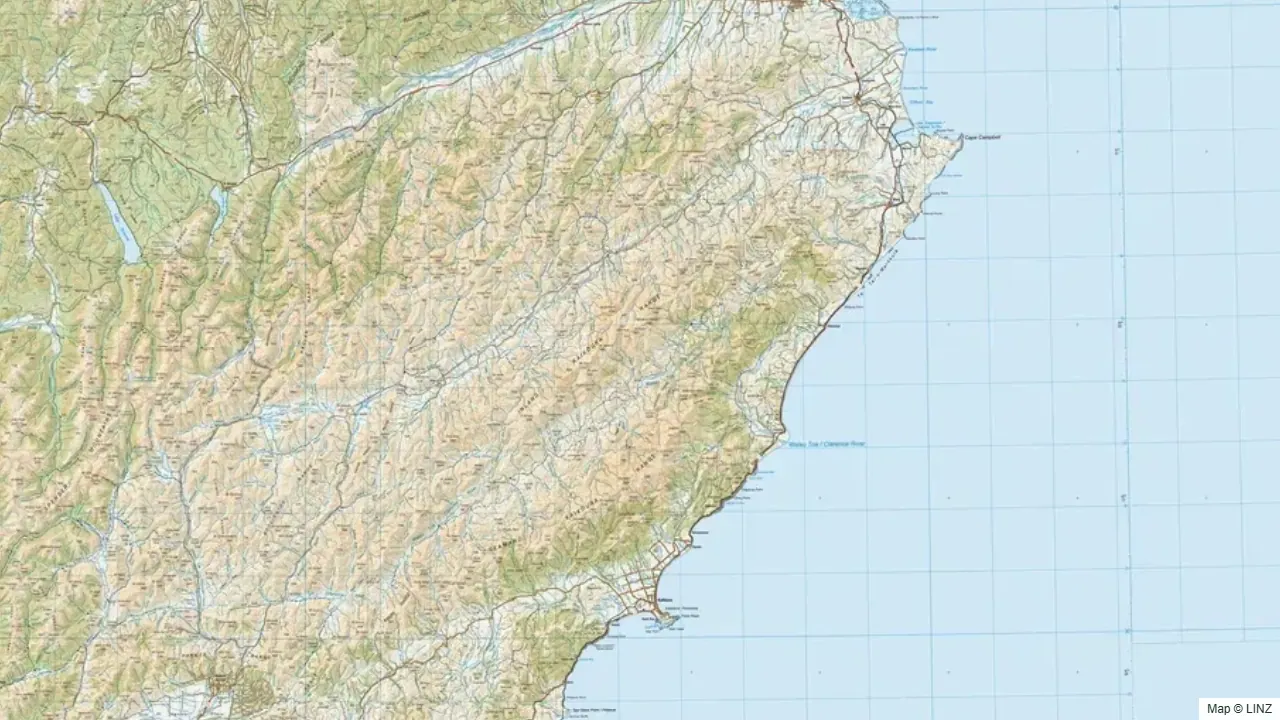
Overview
The Inland Kaikōura ranges rise sharply from the Marlborough interior, running from the Awatere Valley in the north to the Canterbury border in the south. The country is characterised by open tussock basins and snow grass above 1,200 metres, a fringe of beech and matagouri in the upper valleys, and the long scree and rock faces of the Inland and Seaward Kaikōura ranges above. Several peaks exceed 2,000 metres; the country is serious and largely above the bushline.
This area carries 33 DOC hunting blocks, which break into two distinct systems. Thirty-one of them are Molesworth and Clarence roar blocks — restricted access blocks on Molesworth Station and the Clarence grazing lease, managed under a ballot during the roar. These are some of the most sought-after roar applications in the South Island. The remaining blocks — the South Marlborough Conservation Land and Reserves (239,000 ha) and the small Zero Invasive Predators coastal block — carry standard year-round permits and cover much of the same geographic country without the ballot restriction.
Chamois are the headline species on the high open faces. Red deer are present everywhere, working the bush margins and lower tussock through the roar. Some blocks also carry goat and pig in the lower and scrubby ground.
What You Can Hunt
- Red deer — present across every block. Most abundant in the bush-fringed lower gullies; roar behaviour is excellent through the upper basin country.
- Chamois — strong throughout the Inland and Seaward Kaikōura ranges. The open tops, scree, and rocky upper faces give good glassing and long-range opportunities.
- Fallow deer — present in the South Marlborough Conservation Land in the lower and mixed country.
- Wild goat — in a number of the mid-elevation blocks (Half Moon, Elliott, Dillon, Bullen, and others) where the country is scrubby and broken.
- Wild pig — scattered through the lower margins of several blocks.
Where to Hunt
The 33 blocks across the Inland Kaikōura divide into three groups:
Molesworth roar blocks (Awatere and Acheron country)
The bulk of the blocks run across the high country between the Awatere Valley and the Clarence drainage. These include Alma, Mid Alma, Upper Alma, Bottom Acheron, Upper Acheron, Boundary, Bullen, Bullock Gully, Cat Creek, Chimney, Clarence Faces, Crimea, Dillon, Dog Stream, Elliott, Five Mile, Half Moon, Lake McRae, Lizard, McGuires, Mt Severn, Pig Trough, Sawnee, Travellers, Turks, Tweed, Upper Saxton, Upper Severn, Upper Wairau, and Yarra. Most are 2,000–7,000 ha, mostly above 1,200 metres, and all operate under the Molesworth and Clarence restricted roar-block system. A handful have huts (Saxton Hut serves Boundary; Island Gully Hut is in Upper Wairau; Lake McRae and Mt Severn have huts); most require bivvy or tent camping.
South Marlborough Conservation Land and Reserves
The 239,000-ha composite block covers the Seaward Kaikōura Range and surrounding conservation parks, with elevations from sea level to 2,593 metres. It carries 30+ huts including Connors Creek, Bull Paddock Creek, Lake Alexander, Snowgrass, Boulder Forks, Top Leatham, Mt Fyffe, and many more. This is the year-round alternative to the roar blocks — a standard DOC permit covers hunting at any time. The same species (red, chamois, goat, pig, and fallow in the lower country) occupy largely the same country; hunters who miss the roar ballot often hunt South Marlborough on an ordinary permit.
Zero Invasive Predators (ZIP)
A small 385-ha coastal block at sea level near Kaikōura, with a standard year-round permit. Primarily red deer, goat, and pig in the coastal scrub and bush. Short, accessible day hunting.
Getting In
- Road — State Highway 63 runs west from Blenheim up the Wairau Valley; the Awatere Valley Road forks south from Seddon and runs into the back country, providing access to many of the roar blocks. The Acheron Road from Hanmer Springs reaches the Clarence and Acheron valley blocks from the south.
- Foot — all roar blocks require foot access from the Molesworth or Clarence boundary access points. Molesworth access via the station is seasonal and conditional — always check current vehicle access status before travel.
- Air — helicopter access varies by block; some permit it, some do not. Check each specific block's permit conditions. Upper Wairau permits helicopter access.
- Water — minimal; some jet-boat use on the lower Clarence, but foot access dominates.
Seasons & Weather
The Inland Kaikōura is exposed high country. Weather changes fast; nor'westers build rapidly on the main ranges and heavy snow can close the tops outside the summer window.
| Period | What's happening | Notes |
|---|---|---|
| Mar–Apr | Red roar + roar blocks open | The roar blocks operate specifically around this window. Apply through DOC's roar block system; check current ballot dates. |
| Apr | Fallow rut | South Marlborough lower country. |
| May–Jul | Chamois rut | Open tops and high faces across the full range. |
| Jun–Aug | Winter | Heavy snow closes the tops; South Marlborough valley floor hunting still possible. |
| Sep–Nov | Spring | Chamois visible on south faces; reds dropping velvet. |
| Dec–Feb | Summer | Tops fully open; long-range glassing and stalking the best strategy. |
Gear & Conditions
This is primarily glassing and stalking country. Flat-shooting rifles in 6.5mm through .30 calibre suit the long shots chamois demand on open faces; a variable optic from 3–18× is appropriate. Boots that handle scree and shingle are essential — this is not soft-footed bush country. Most roar blocks have no huts; carry tent and sleeping gear specced for sub-zero overnight temperatures from April onward. Ice axe and crampons are appropriate for winter and early spring on the higher blocks. In the South Marlborough blocks with hut networks, multi-day traverses are possible without tenting.
Permits & Regulations
This is the most permit-complex hunting country in the Nelson/Marlborough area:
- Molesworth roar blocks (31 blocks) — all carry Restricted hunt status. Standard DOC rolling permits do not cover these blocks. Hunters must apply specifically during the roar period through DOC's roar block application process. Check the current season's dates, ballot or first-in-first-served rules, and Molesworth vehicle access conditions before applying.
- South Marlborough Conservation Land — Ordinary permit, year-round hunting, no ballot. Standard DOC permit covers the area. Individual sub-reserves can have temporary restrictions; check current DOC information for the specific catchment before each trip.
- Zero Invasive Predators (ZIP) — Ordinary permit, year-round. Small size and association with an active predator-control project mean operational restrictions can apply; check DOC before each visit.
Open the Map
Open Inland Kaikōura in the full hunting map →
All 33 blocks across the Molesworth roar block system and South Marlborough Conservation Land — species, huts, access, and current pesticide operations.
Useful Links
Game animals in Inland Kaikōura
Hunting areas in Inland Kaikōura
33 DOC hunting blocks — species, huts, access and an interactive map for each.
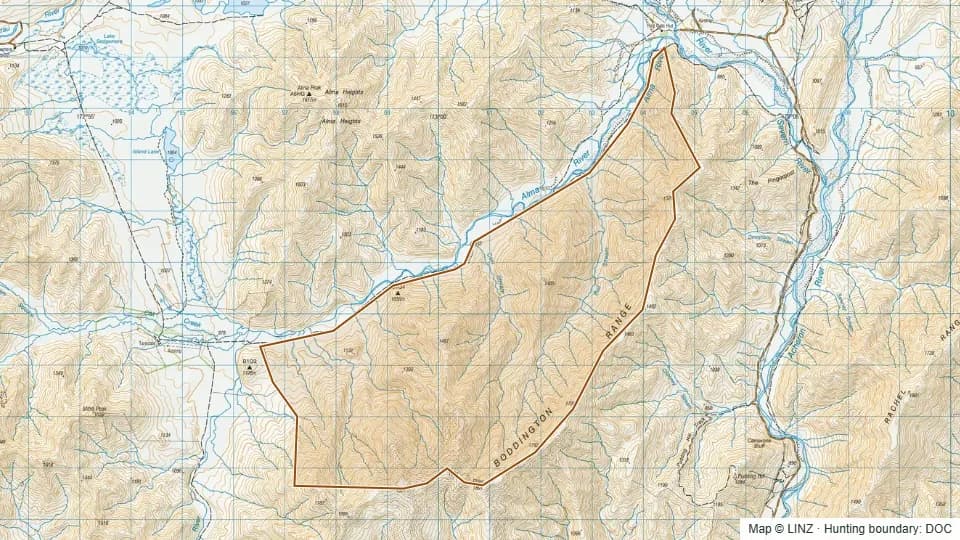 Alma3,042 ha
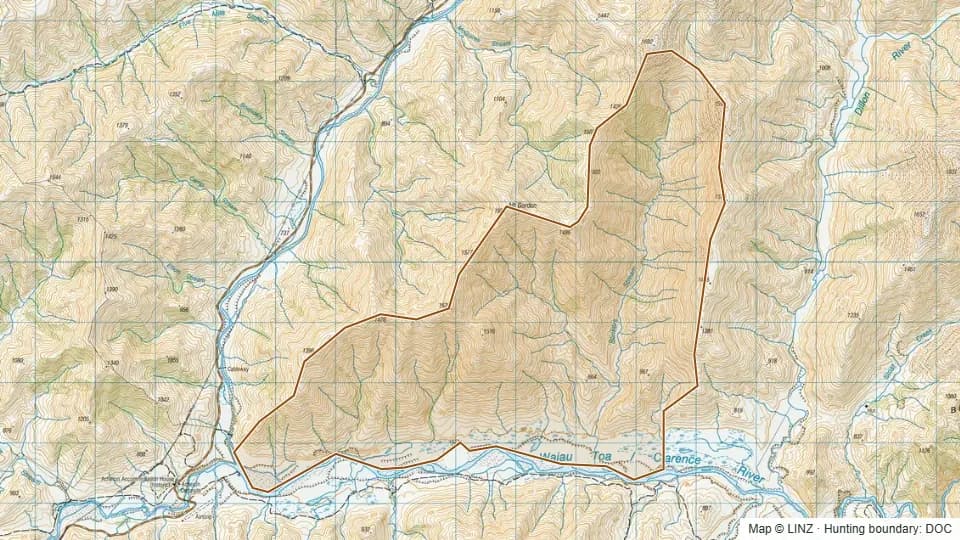 Blinkers2,761 ha
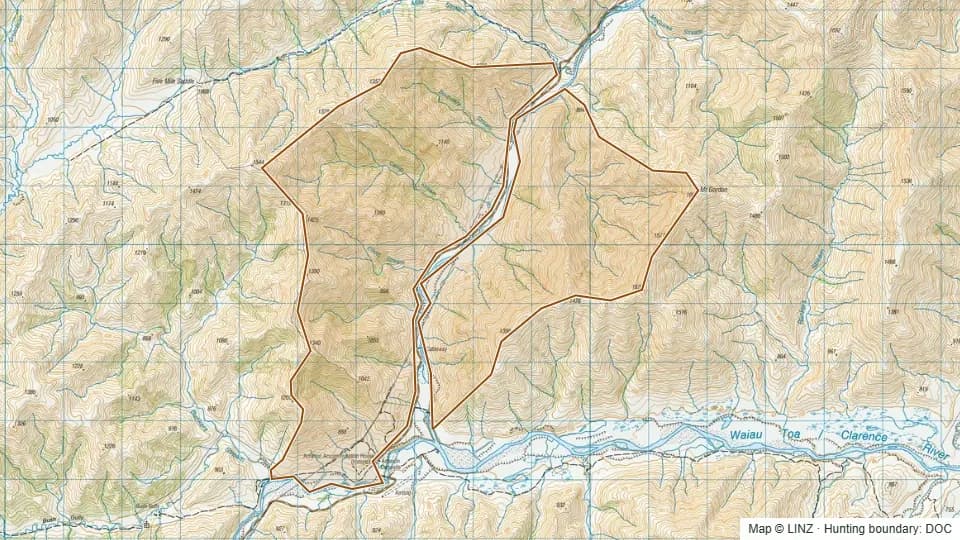 Bottom Acheron2,957 ha
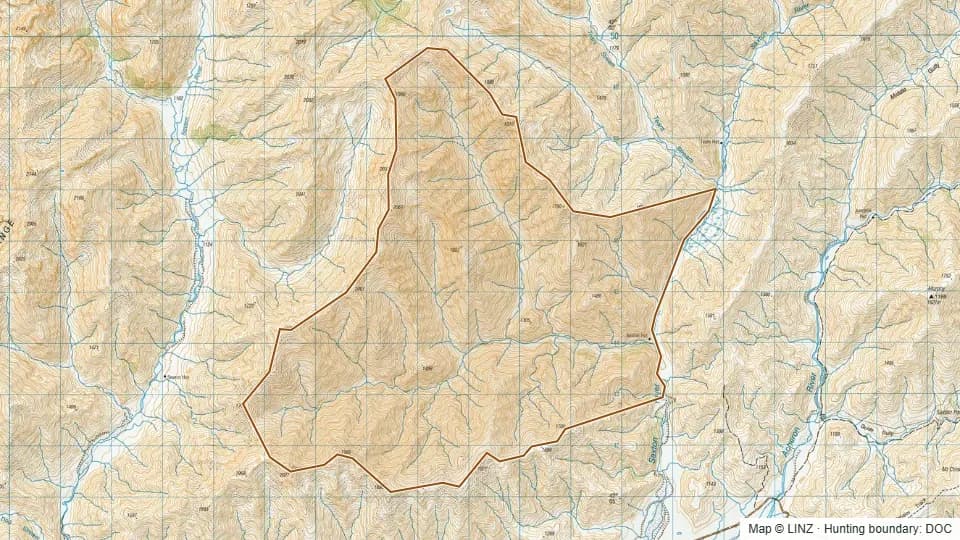 Boundary4,097 ha
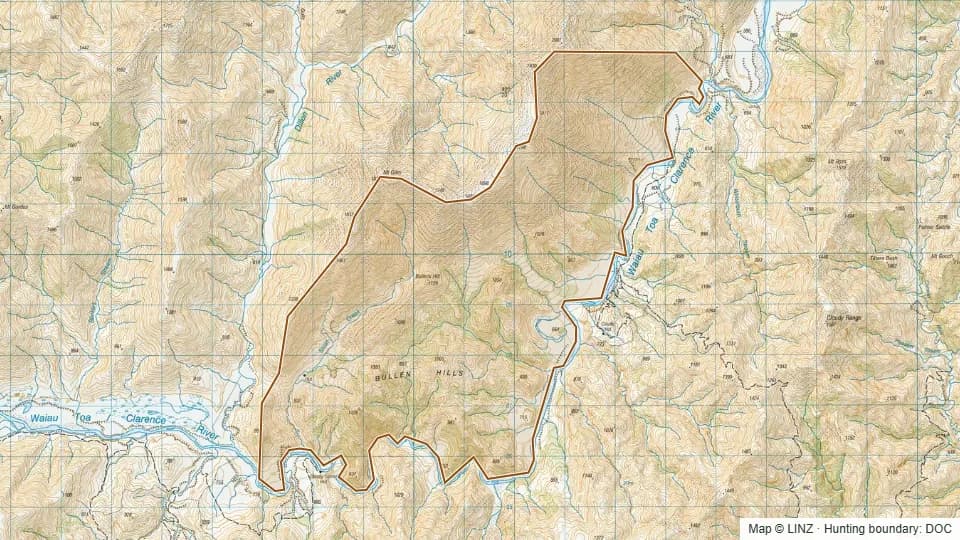 Bullen3,822 ha
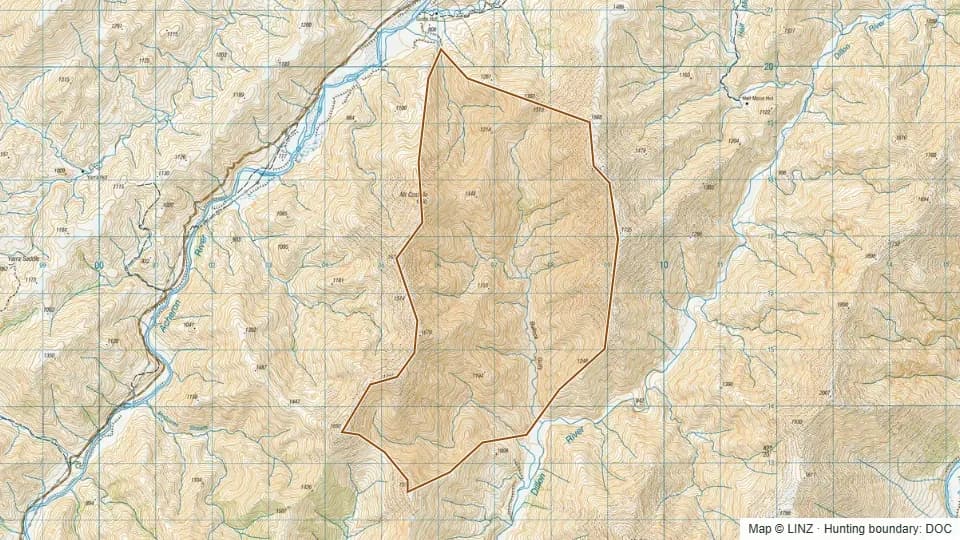 Bullock Gully2,147 ha
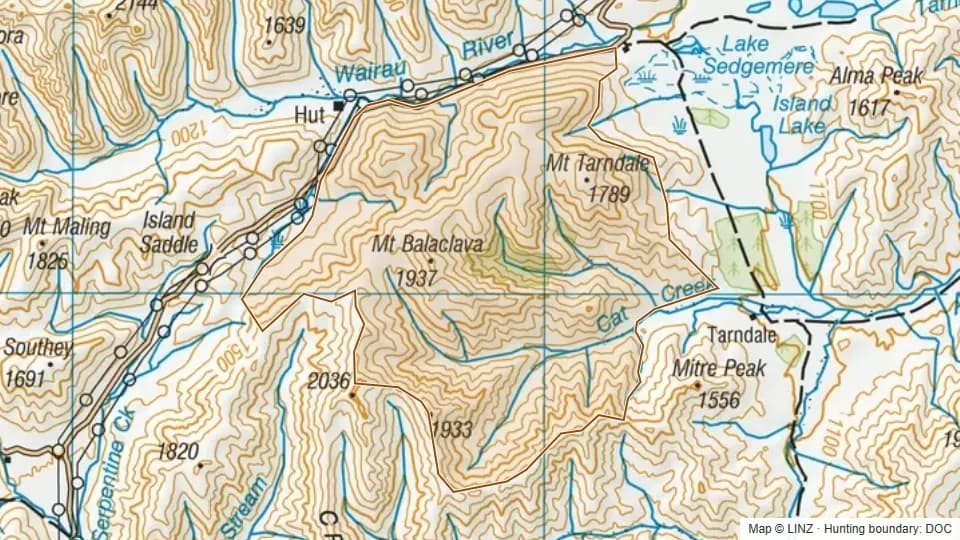 Cat Creek5,077 ha
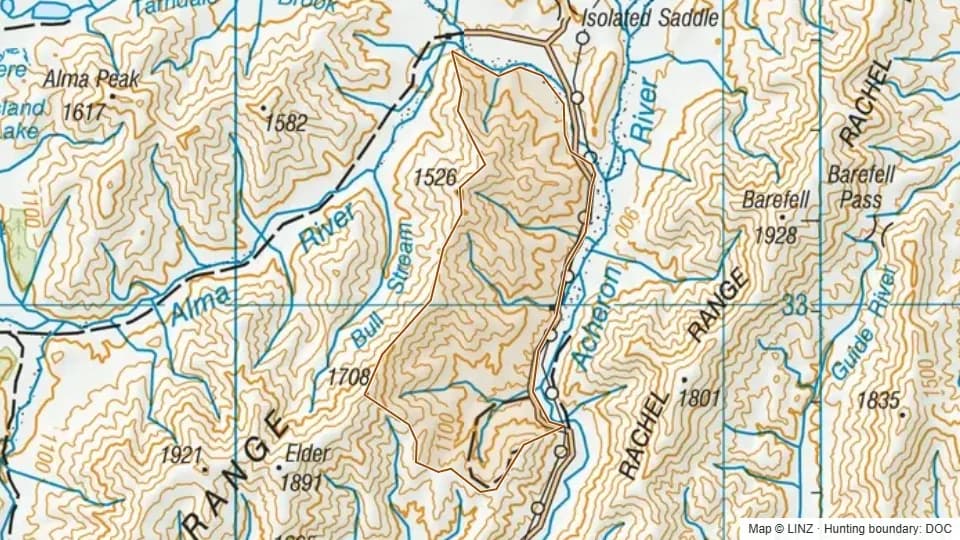 Chimney2,160 ha
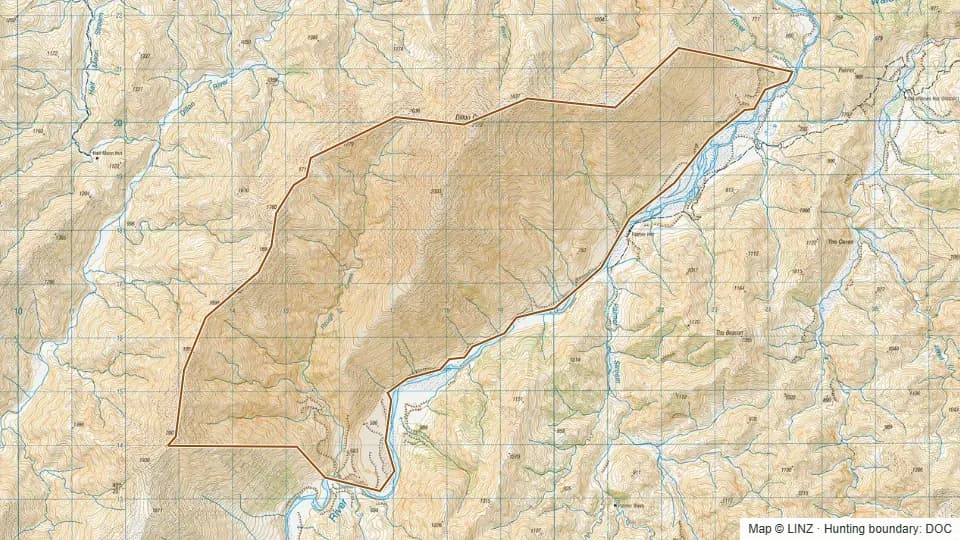 Clarence Faces3,966 ha
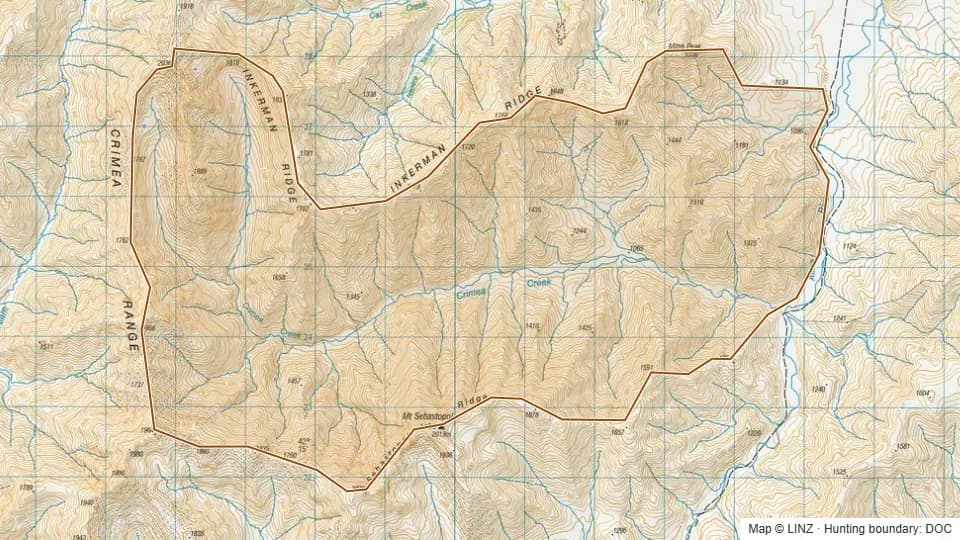 Crimea4,210 ha
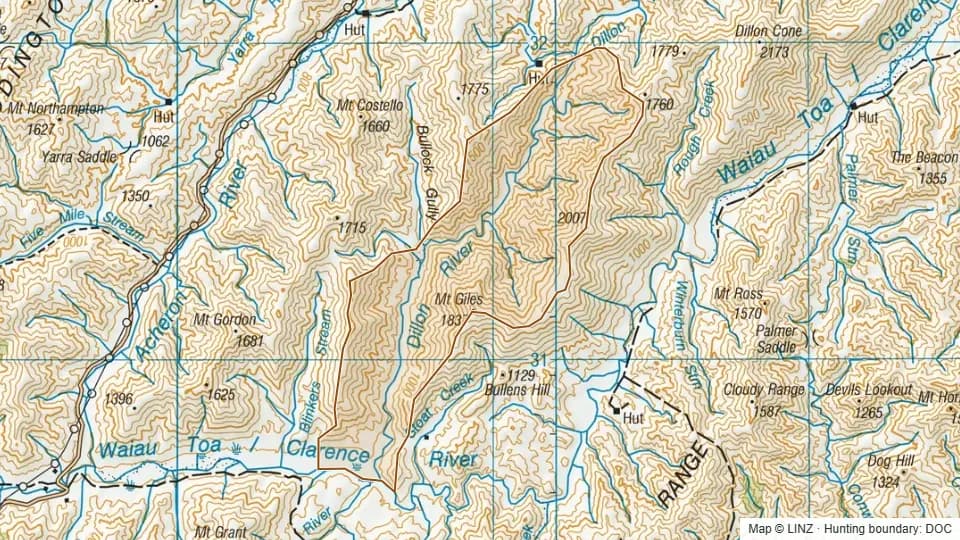 Dillon5,272 ha
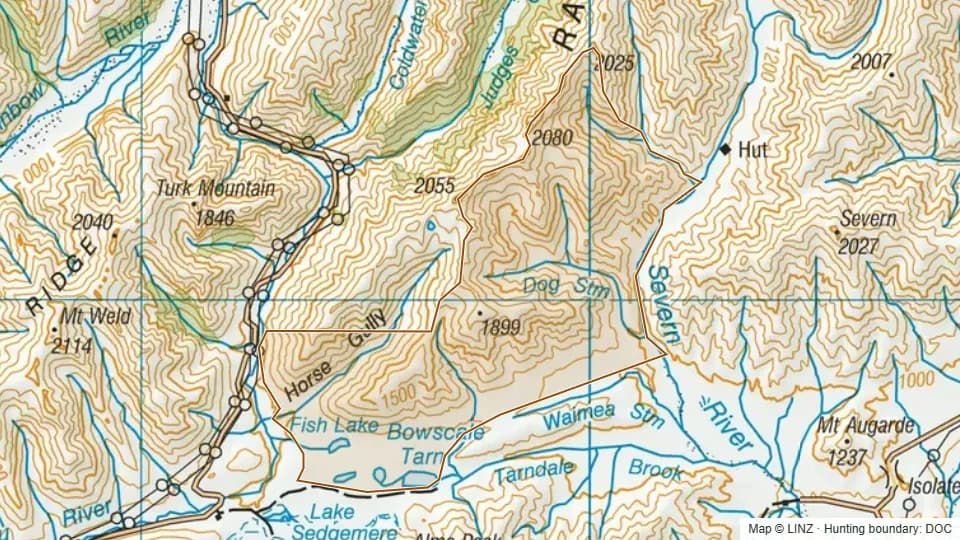 Dog Stream4,032 ha
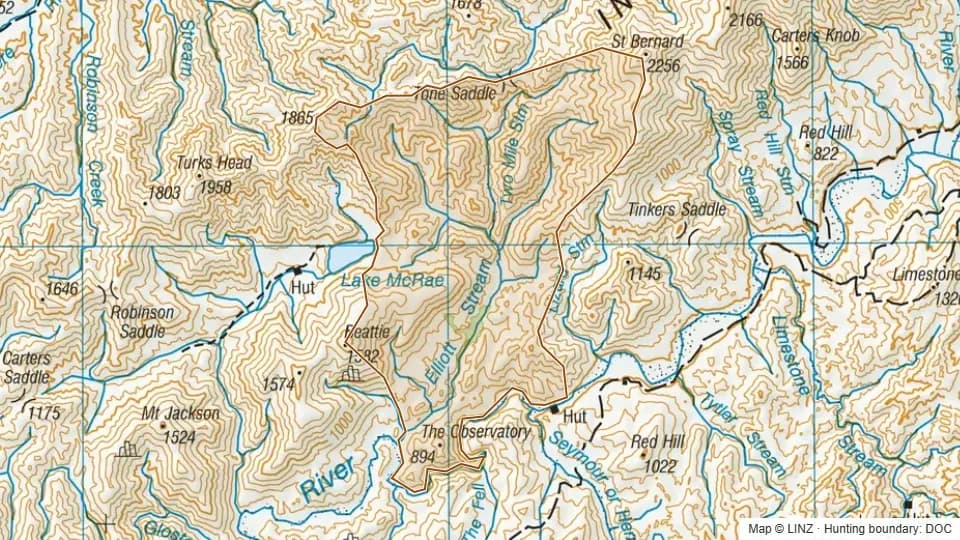 Elliott5,763 ha
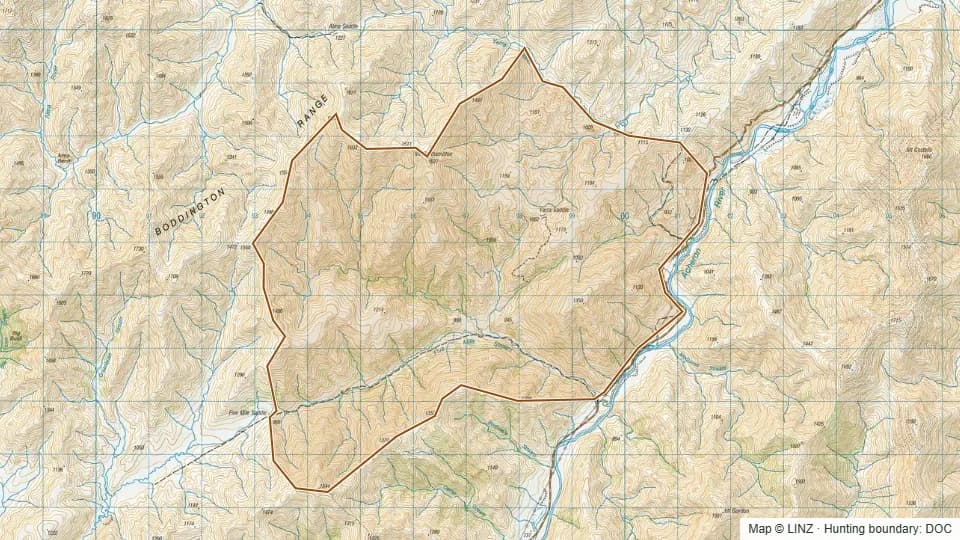 Five Mile4,287 ha
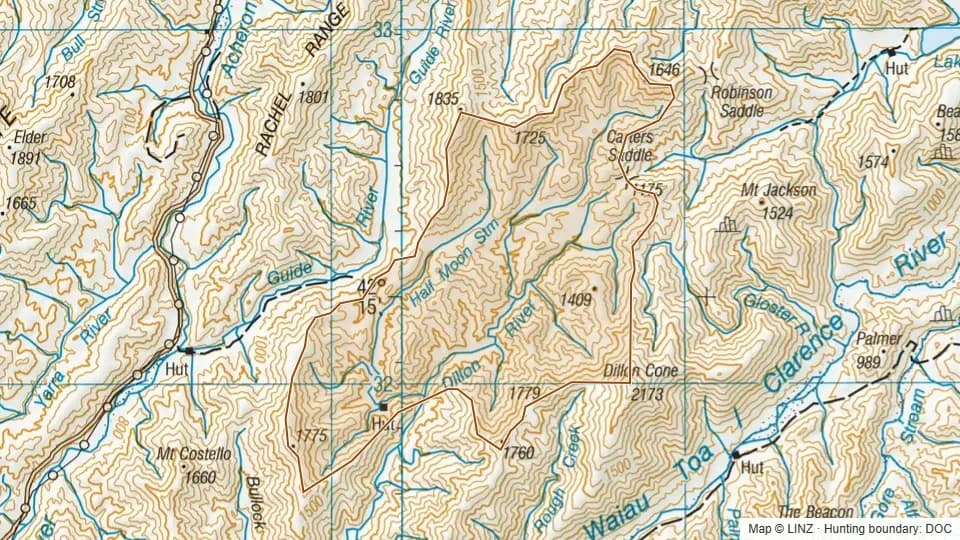 Half Moon6,618 ha
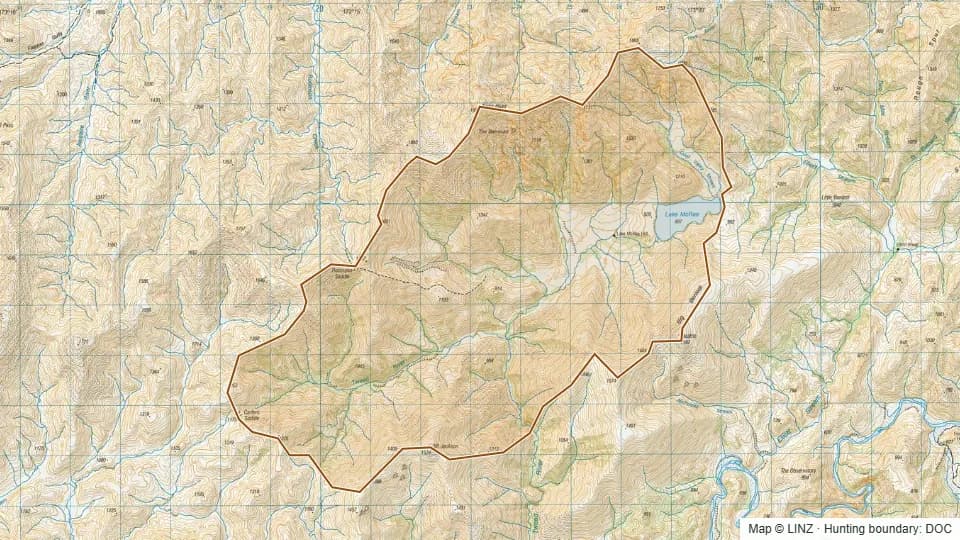 Lake McRae4,848 ha
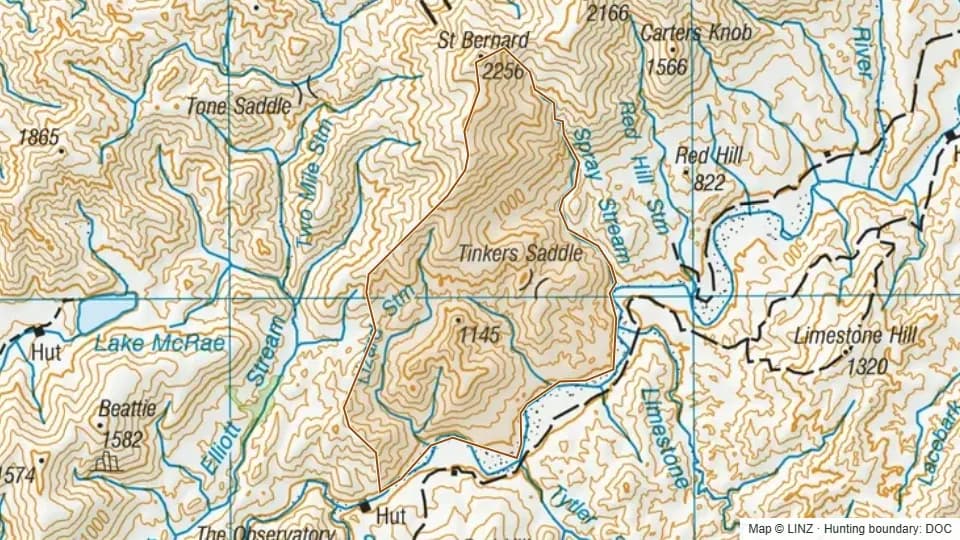 Lizard3,030 ha
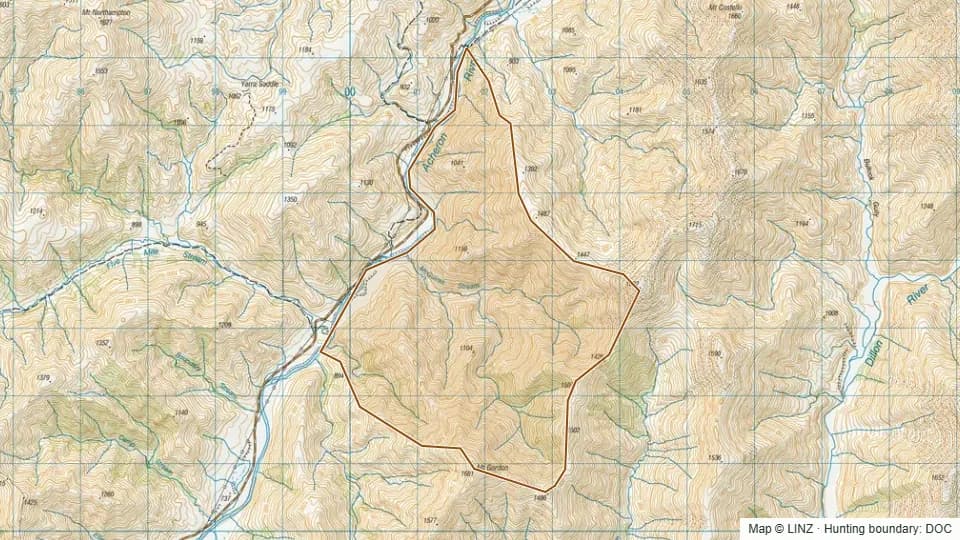 McGuires1,429 ha
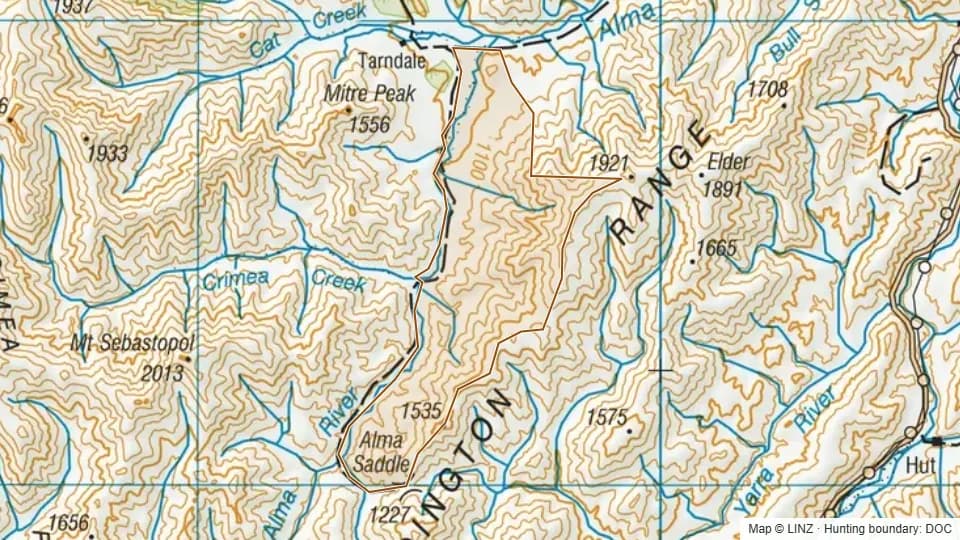 Mid Alma1,991 ha
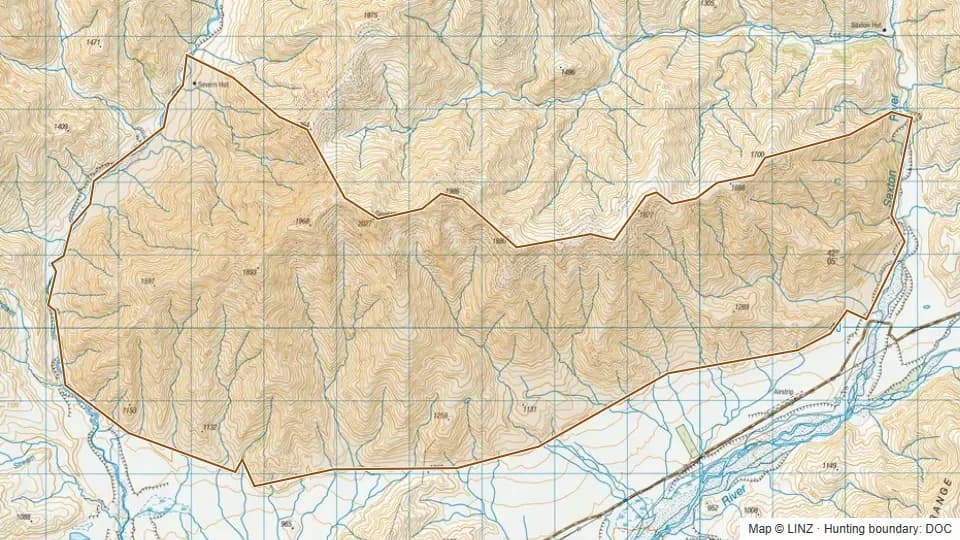 Mt Severn3,881 ha
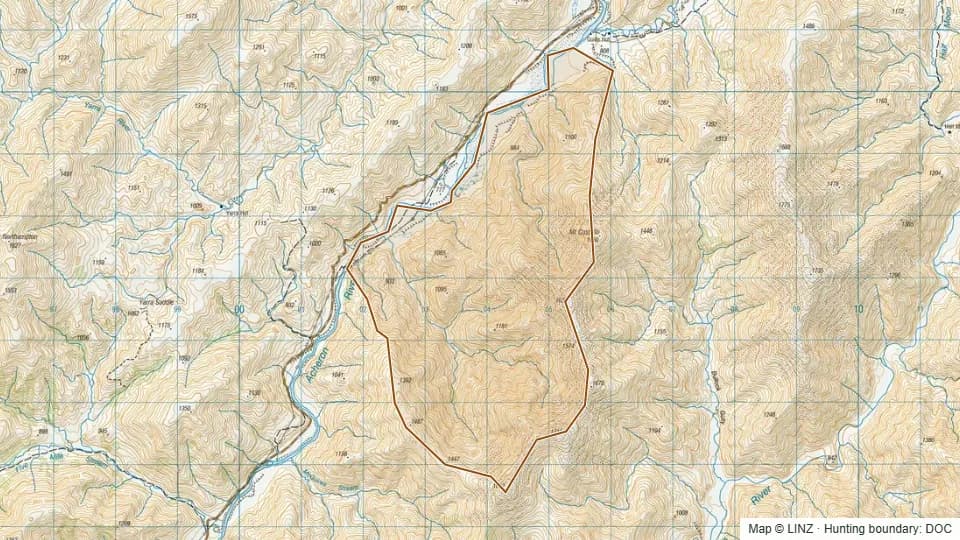 Pig Trough1,702 ha
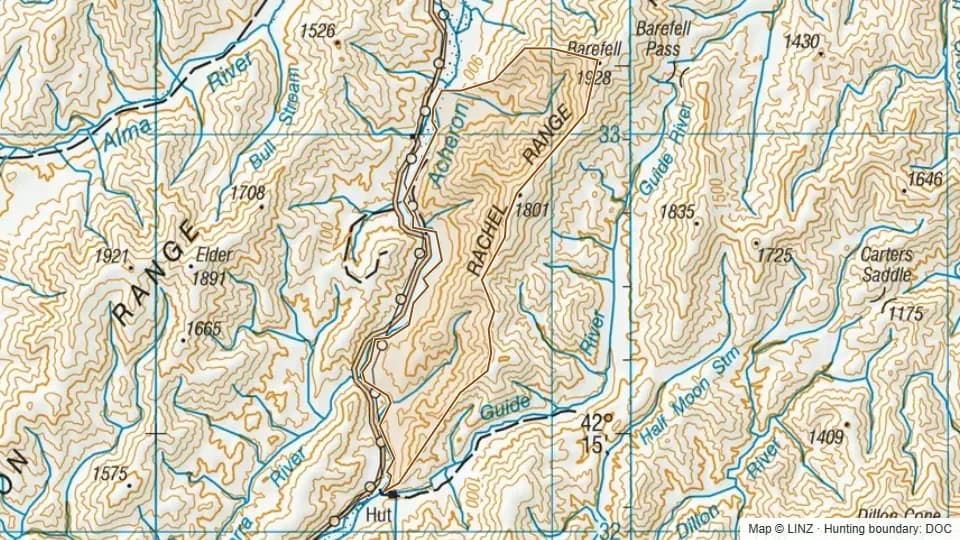 Sawnee2,438 ha
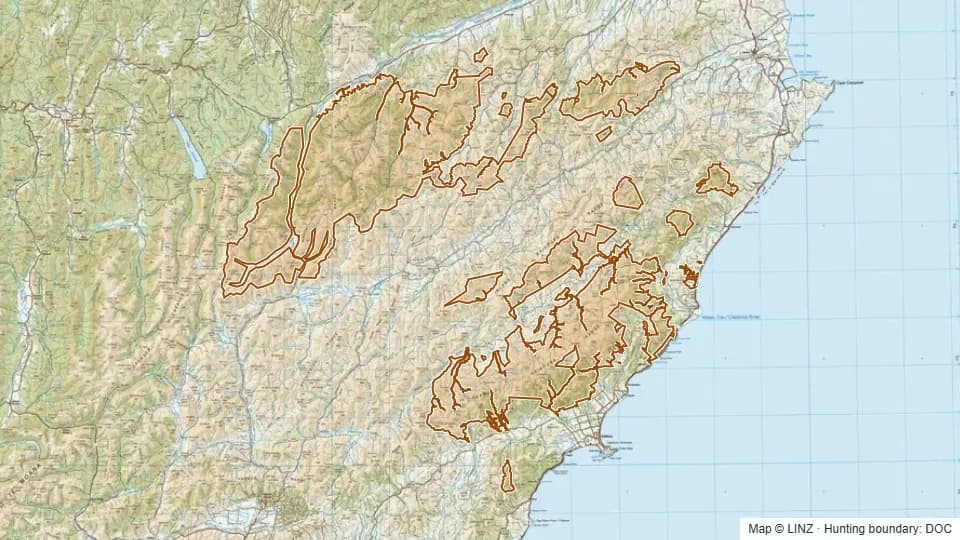 South Marlborough Conservation Land/Reserves239,245 ha
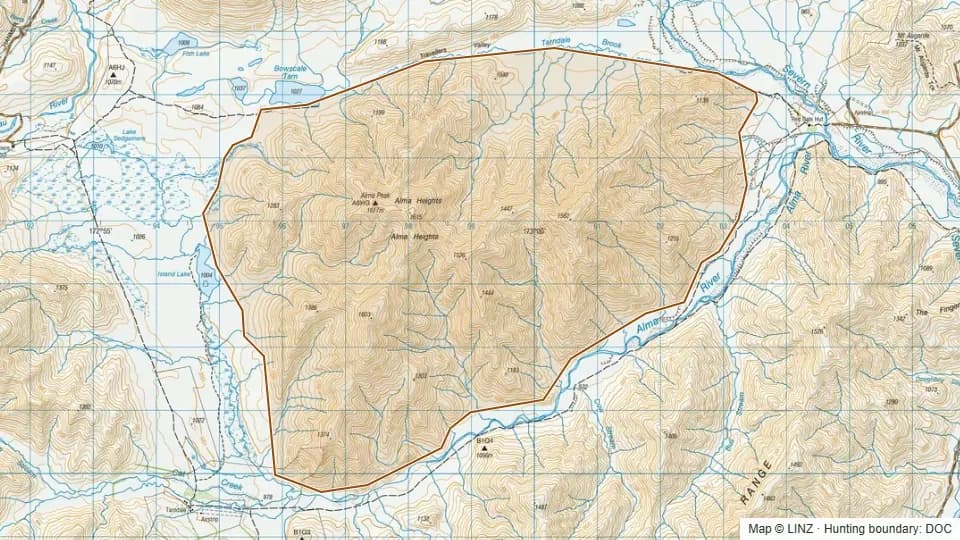 Travellers4,117 ha
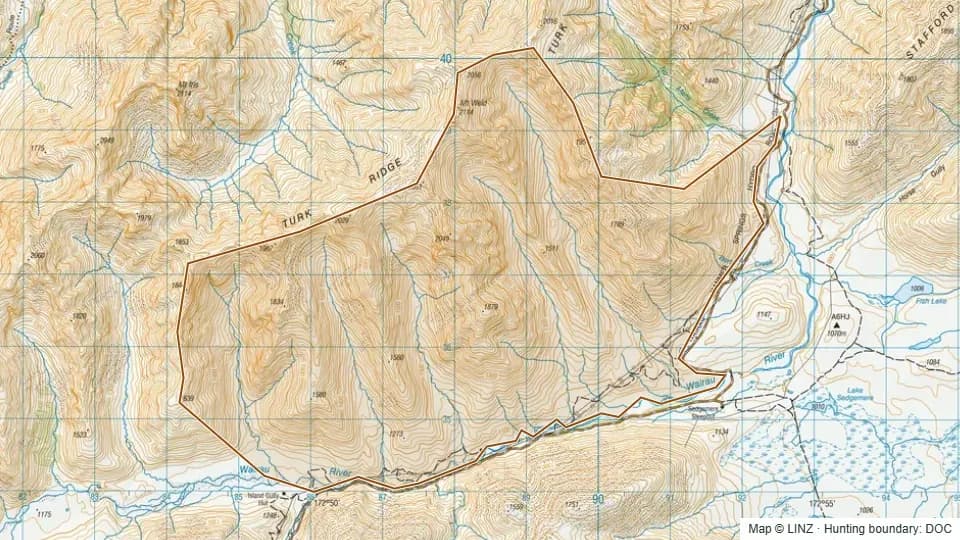 Turks2,898 ha
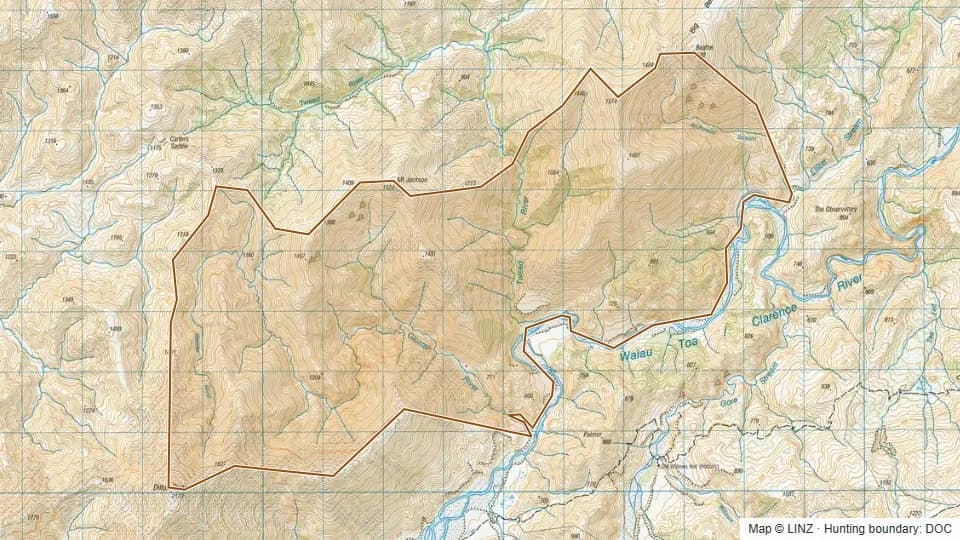 Tweed4,000 ha
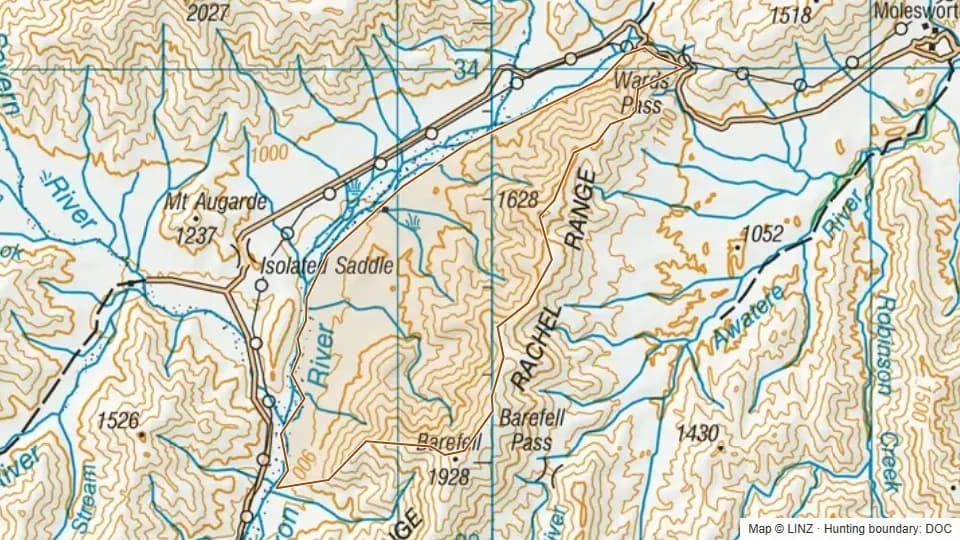 Upper Acheron2,992 ha
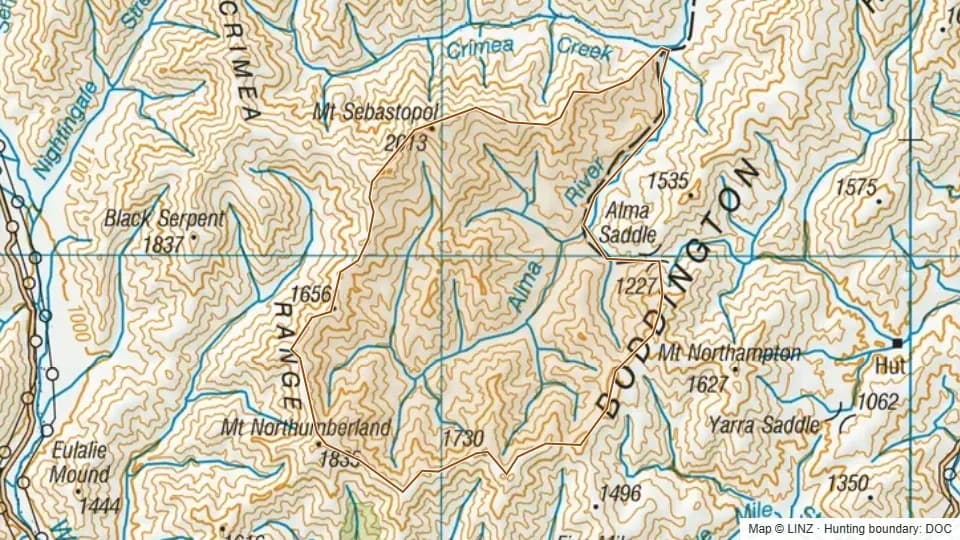 Upper Alma4,499 ha
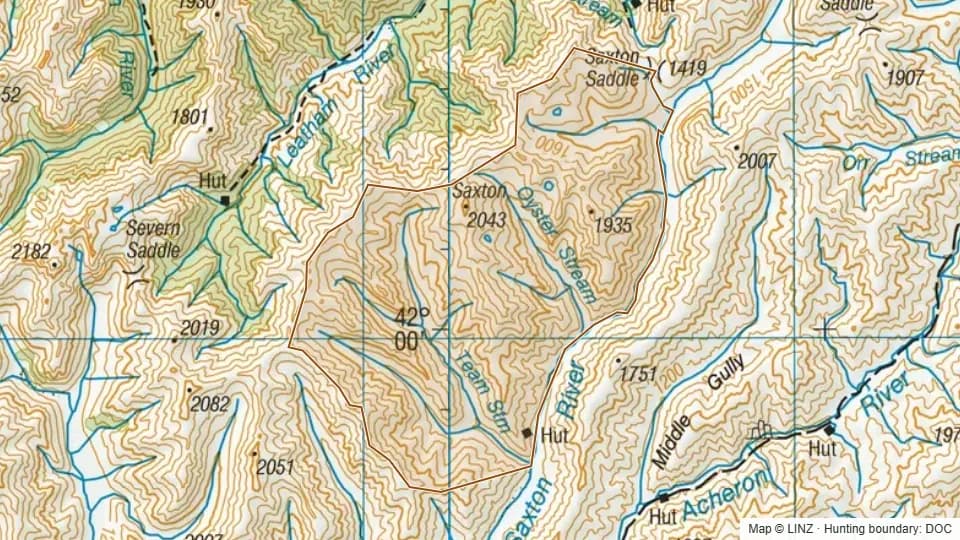 Upper Saxton5,136 ha
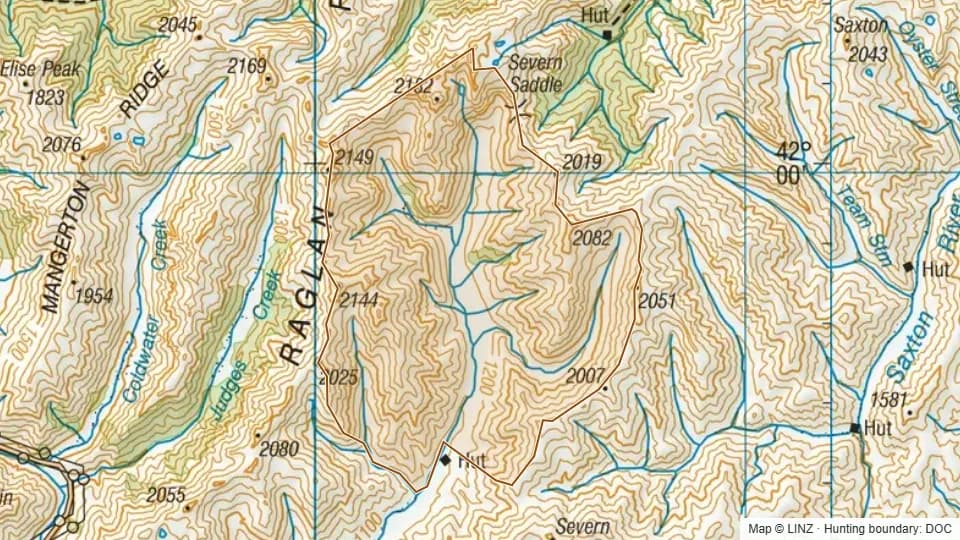 Upper Severn5,111 ha
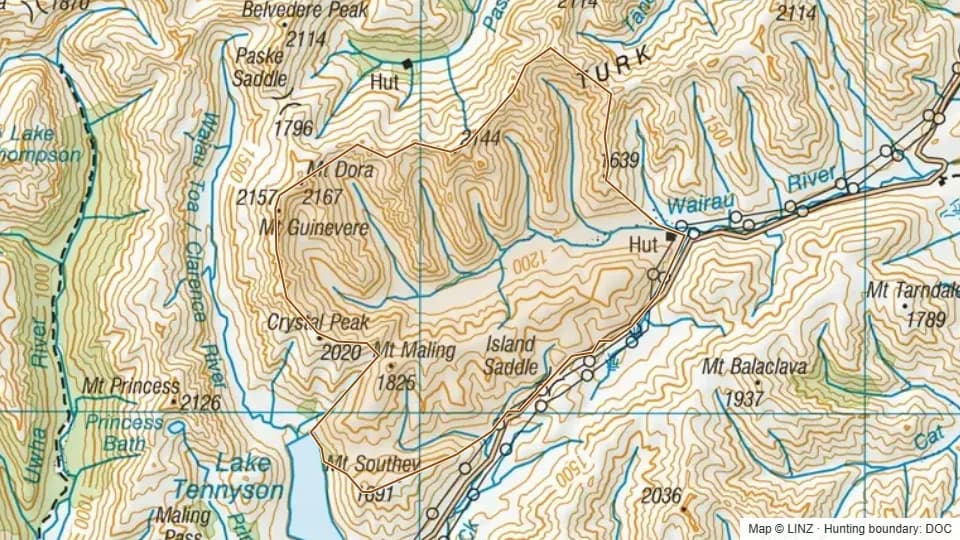 Upper Wairau5,034 ha
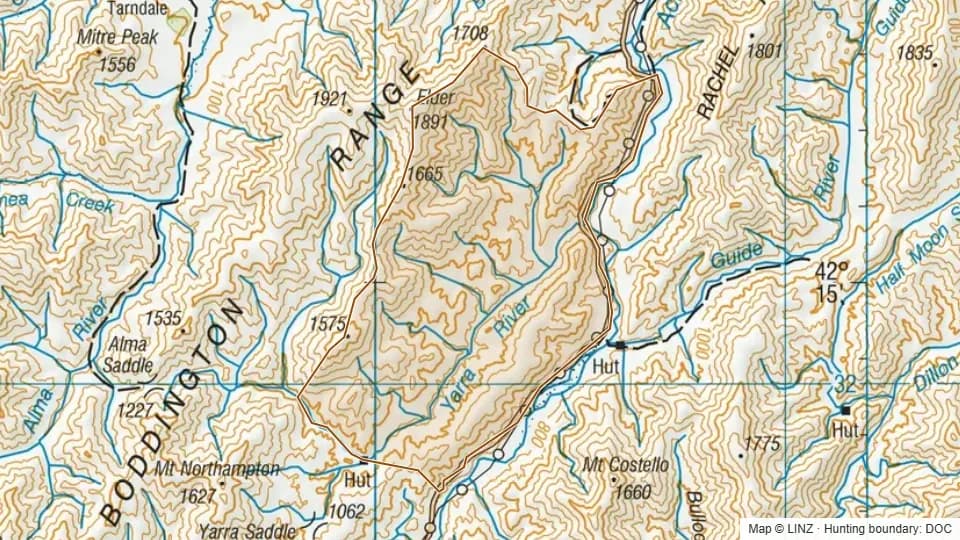 Yarra4,942 ha
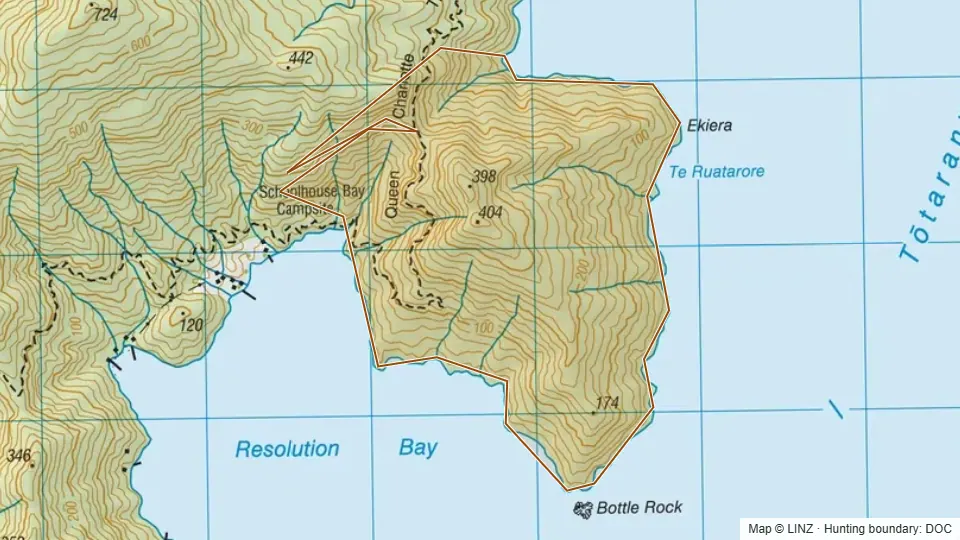 Zero Invasive Predators (ZIP)385 ha