Hunting in Central North Island
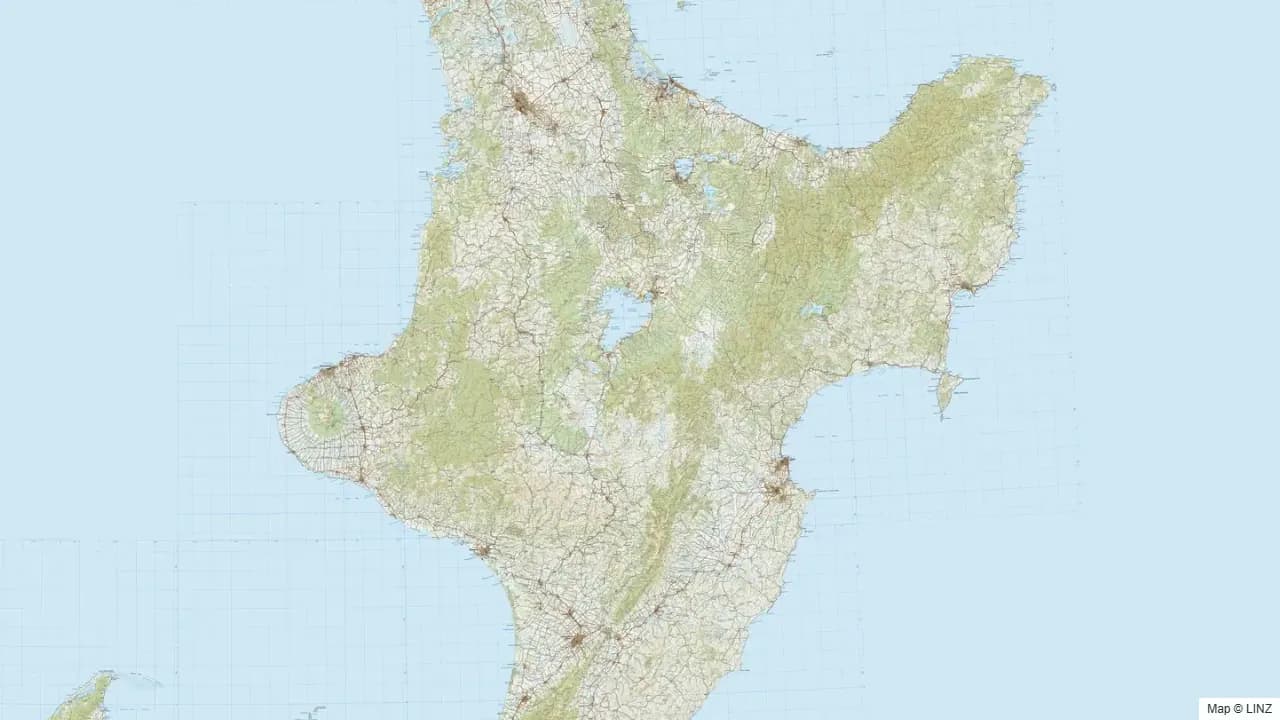
Overview
The Central North Island is the North Island's deer hunting heartland. The Kaimanawa, Kaweka, and Ruahine ranges form a long, almost continuous spine of bush and tussock running roughly from Lake Taupō to the Manawatū Gorge, with the Volcanic Plateau, Pureora Forest Park, and the Tongariro country sitting alongside. Together these blocks hold the largest sika deer population on the planet outside Japan, strong numbers of red deer, and pockets of sambar, rusa, and fallow that exist nowhere else in New Zealand.
For most North Island hunters, "going hunting" means going here. The access is good by national standards, the hut network is dense, and a determined hunter can be in genuinely wild country within four hours of either Auckland or Wellington. The country is bush-dominated — beech, podocarp, and leatherwood on the tops — and the hunting style is mostly bush-stalking rather than the long-range glassing you get in the South Island high country.
What You Can Hunt
- Sika deer — the signature species. Kaimanawa and Kaweka sika are world-famous and the populations are dense.
- Red deer — strong throughout, especially in the Ruahine, the western Kaimanawa, and around the Volcanic Plateau.
- Sambar — restricted populations in the Manawatū and around the Horowhenua, the largest deer in New Zealand.
- Rusa — small isolated population in the Galatea–Whirinaki area; hunted at very low intensity.
- Fallow deer — Blue Mountains (Bay of Plenty side), Mamaku Plateau, and pockets through the central plateau.
- Wild pig — abundant through the foothills and forestry, especially around the Volcanic Plateau and East Coast hill country fringe.
- Wild goat — present in lower-altitude bush and broken farmland margins.
Where to Hunt
The region breaks naturally into a handful of large public hunting blocks, each with its own character. Sika densities are highest in the Kaimanawa and Kaweka; red deer densities are highest in the Ruahine and the western edges of the Kaimanawa.
- Kaimanawa Forest Park — the heart of NZ sika country. Tongariro, Kaipo, and Oamaru river systems are all classic sika ground. Mixed sika and red deer across the western blocks.
- Kaweka Forest Park — east of the Kaimanawa, similar mix of sika and red, with more open beech and tussock tops in the southern blocks.
- Ruahine Forest Park — primarily red deer with sika at the northern end. Long bush-and-tops walks; some of the best red deer hunting in the North Island.
- Pureora Forest Park — large tract of podocarp bush west of Lake Taupō. Strong red deer numbers, sika on the eastern side, pig throughout.
- Volcanic Plateau (Rangipo / Tongariro / Erua) — open desert tussock and pumice scrub; sika and red, plus a notable wild horse population (not a game animal).
- Whirinaki Te Pua-a-Tāne Conservation Park — eastern bush, holds red, sika, and the small rusa population.
- East Coast hill country (Urewera / Raukumara) — separate ecosystem, dense bush, big pigs, red and sika both present.
Getting In
- Road — almost every entry point in the region is on a sealed or gravel road. State Highways 1, 5, and the Napier–Taupō road are the primary spines, with forestry and DOC access roads running off them to the park boundaries.
- Foot — once at the park boundary, virtually all hunting is foot access. Hut networks are dense, especially in Kaimanawa, Kaweka, and Ruahine.
- Air — fixed-wing landing strips exist at Boyd, Oamaru, and a handful of other Kaimanawa locations. Helicopter access into remote huts is widely used but contested in some areas under DOC sika management policy.
- Water — minor — the Mōkau and Whanganui river systems are used to access some western bush blocks by jet boat.
Seasons & Weather
The Central North Island has a strong four-season pattern with weather coming off the central volcanoes. The sika roar is the marquee hunting period; the red deer roar overlaps with it.
| Period | What's happening | Notes |
|---|---|---|
| Mar–Apr | Red roar, sika roar starts late | Roar peaks late March into early April. |
| Apr–May | Sika roar continues | Sika rut is staggered later than red. |
| Jun–Aug | Winter | Snow on the tops, deer feeding low. Excellent meat hunting. |
| Sep–Nov | Spring | Velvet stags appear; fawns drop. Animals feeding hard on new growth. |
| Dec–Feb | Summer | Warm, dry on the tops; bush hunting through dawn and dusk only. |
Weather can change fast — the Kaimanawa and Ruahine are exposed to weather coming off both coasts and the volcanic plateau. Storms can dump heavy snow on the tops outside winter.
Gear & Conditions
Hunting here is mostly bush stalking with some open-country glassing in the tussock basins and tops. Rifles in 6.5mm through .308 cover everything reasonably; sambar hunters often go heavier. Boots, gaiters, and good wet-weather gear matter — the bush is steep, slippery, and full of leatherwood. Multi-day trips are the norm, so hut systems and pack weight matter. Many of the better sika ridges sit a 4–6 hour walk inside the park boundary, and pulling out meat in May rain is a long day.
Permits & Regulations
A free DOC permit is required to hunt in any of the forest parks. Some blocks operate under a ballot system during peak roar periods — Kaimanawa in particular has had block-balloted sections in recent years. Helicopter access is restricted in parts of the Kaimanawa under DOC's sika management framework. Pig dog hunting on conservation land is permitted but subject to dog-control conditions. Always check the current permit terms before each trip — rules vary by park and have changed several times in recent years.
Open the Map
Open the Central North Island in the full hunting map →
Forest parks, hunting blocks, hut locations, tracks, and current pesticide operations layered together for the Kaimanawa, Kaweka, Ruahine, and Pureora.