Hunting in Fiordland
Overview
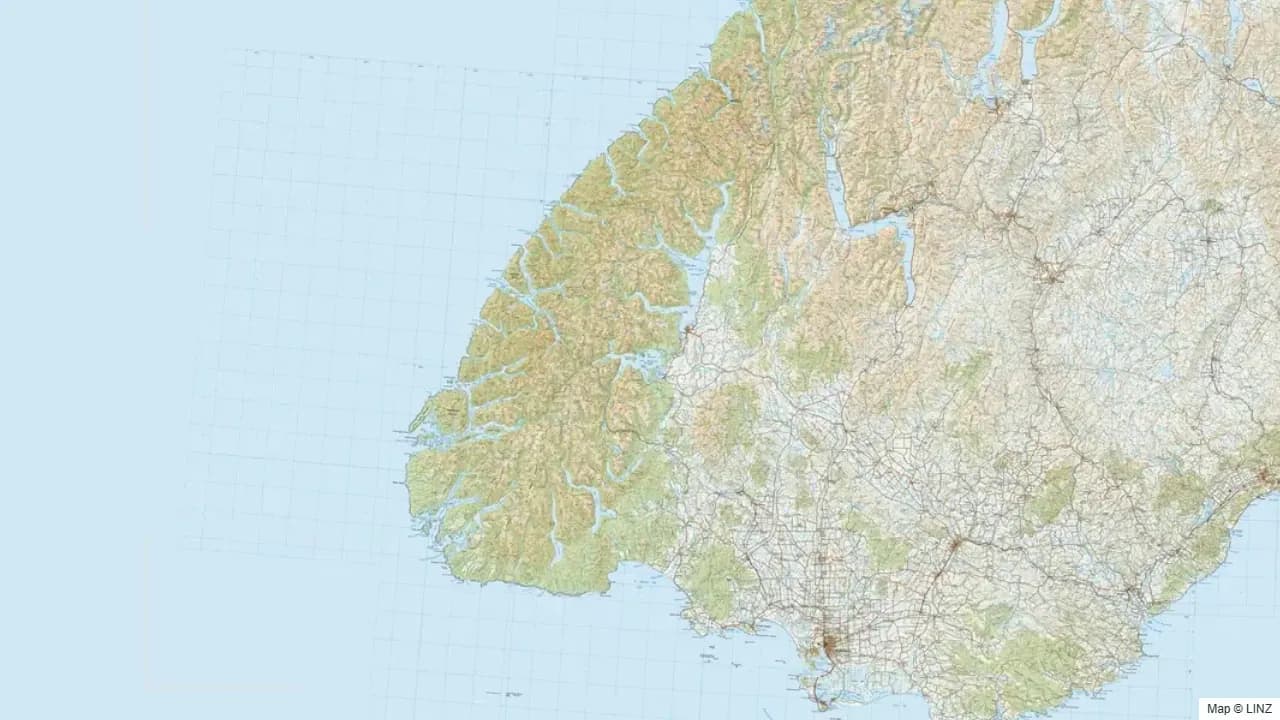
Fiordland is the largest national park in New Zealand and one of the most remote hunting destinations on earth. The country runs from the open tussock and beech tops of the eastern boundary above Lake Te Anau, west into a vast network of glacier-carved fiords, granite bluffs, and beech-podocarp bush that reaches all the way to the Tasman Sea. There are no roads through Fiordland — almost every hunting trip in starts with a float plane, helicopter, or boat from Te Anau or Manapouri.
Fiordland holds the only free-range wapiti population in the southern hemisphere, managed under a long-running ballot system that allocates blocks to recreational hunters during the autumn rut. Red deer are abundant outside the wapiti area, chamois live above the bushline on the eastern faces, and fallow deer occur in a few isolated valleys. The combination of remote country, ballot-managed wapiti, and very wet weather makes Fiordland the most demanding hunting region in the country — and for many hunters, the most rewarding.
What You Can Hunt
- Red deer — abundant outside the wapiti area; many of the eastern and southern catchments hold high densities.
- Wapiti — restricted to designated wapiti blocks under a ballot system. Hybridisation with red deer is significant.
- Chamois — above the bushline on the eastern faces and along the main divide.
- Fallow deer — limited isolated populations.
Where to Hunt
- Wapiti area (designated blocks) — runs roughly from George Sound south to Caswell Sound, encompassing the headwaters of the Worsley, Stillwater, Lugar Burn, Glaisnock, and several other catchments. Access is by ballot during the roar and by general permit outside it; hybrid red deer are removed by the management programme.
- Eastern boundary (Murchison and Kepler Mountains, Murchison Range) — accessible by road from Te Anau, then on foot. Red deer and chamois.
- Northern Fiordland (Hollyford and Eglinton catchments) — accessed via the Milford Road. Red deer; some chamois at altitude.
- Southern Fiordland (Waitutu, Hauroko) — vast wilderness bush country. Red deer; some fallow.
- Main divide and western faces — accessed by helicopter or boat; serious wilderness hunting for those equipped for it.
Getting In
- Float plane — the most common Fiordland entry. Operators fly from Te Anau and Manapouri into the main lakes and a number of designated landings.
- Helicopter — used heavily in the wapiti ballot and for the more remote catchments. Subject to current DOC concessions and rules.
- Boat — vehicle-launchable boats on Lake Te Anau and Lake Manapouri reach the eastern arm; commercial boat operators run to Doubtful Sound and other inlets.
- Road — limited to the eastern boundary (Te Anau–Milford highway, Borland Saddle, Hollyford Road) and the southern coast road to Lake Hauroko.
- Foot — most multi-day Fiordland hunts include long valley walks from the drop point.
Seasons & Weather
Fiordland receives between 5 and 9 metres of rainfall per year in many catchments and is one of the wettest places on the planet. Plan around weather windows and budget extra time for flights to clear.
| Period | What's happening | Notes |
|---|---|---|
| Mar–Apr | Red roar | Excellent throughout the non-wapiti country. |
| Mar–Apr | Wapiti ballot — first period | Roar; allocated by ballot. |
| Apr | Wapiti ballot — second period | Roar tail; allocated by ballot. |
| May–Jul | Chamois rut | Eastern faces and main divide. |
| Jun–Aug | Winter | Heavy snow on the tops, sea-level country accessible. Avalanche risk in the alps. |
| Sep–Nov | Spring | Velvet stags emerging; sandflies returning. |
| Dec–Feb | Summer | Long days, tops accessible. Severe sandflies at lower altitudes. |
The wapiti ballot is administered by the Fiordland Wapiti Foundation under agreement with DOC. Ballot applications open well ahead of the roar and are competitive; applicants typically apply as a party.
Gear & Conditions
Fiordland is the most demanding hunting region in the country. Wet-weather gear that actually keeps water out — not just resists it — is essential. Expect days of rain inside multi-day trips and plan accordingly. River crossings are common and dangerous; many hunters carry packraft or wait for rivers to drop. Sandflies are extreme in the lower country and the bush; a head net and consistent repellent use are not optional.
For rifle setups, a medium-to-heavy calibre (6.5mm–.30 cal) handles all the species present. Wapiti are large bodies and shots can be at any range depending on terrain. The terrain itself is steep and broken — leatherwood scrub and bluffy country slows movement enormously. Multi-day trips need to budget two to three extra days for weather. Most successful Fiordland trips last 7 to 14 days.
Permits & Regulations
A free DOC permit covers public conservation land throughout Fiordland. Wapiti hunting during the rut requires success in the ballot administered by the Fiordland Wapiti Foundation; outside the ballot, wapiti can be hunted on a general DOC permit within the wapiti area, but the foundation's management programme actively removes hybrid red deer. Helicopter and aircraft access is permitted but subject to current DOC concessions and operational rules. Always check the current pesticide operations status before any Fiordland trip — large 1080 operations are run periodically across the park.
Open the Map
Open Fiordland in the full hunting map →
Wapiti area, hunting blocks, tracks, huts, float plane landings, walking-access, and current pesticide operations across Fiordland National Park.