Hemitragus jemlahicus
Himalayan Tahr
See Himalayan Tahr range on the map
View where Himalayan Tahr are found across New Zealand
Plan a guided tahr hunt
Outfitters, packages, and pricing for guided Himalayan Tahr hunts
Overview
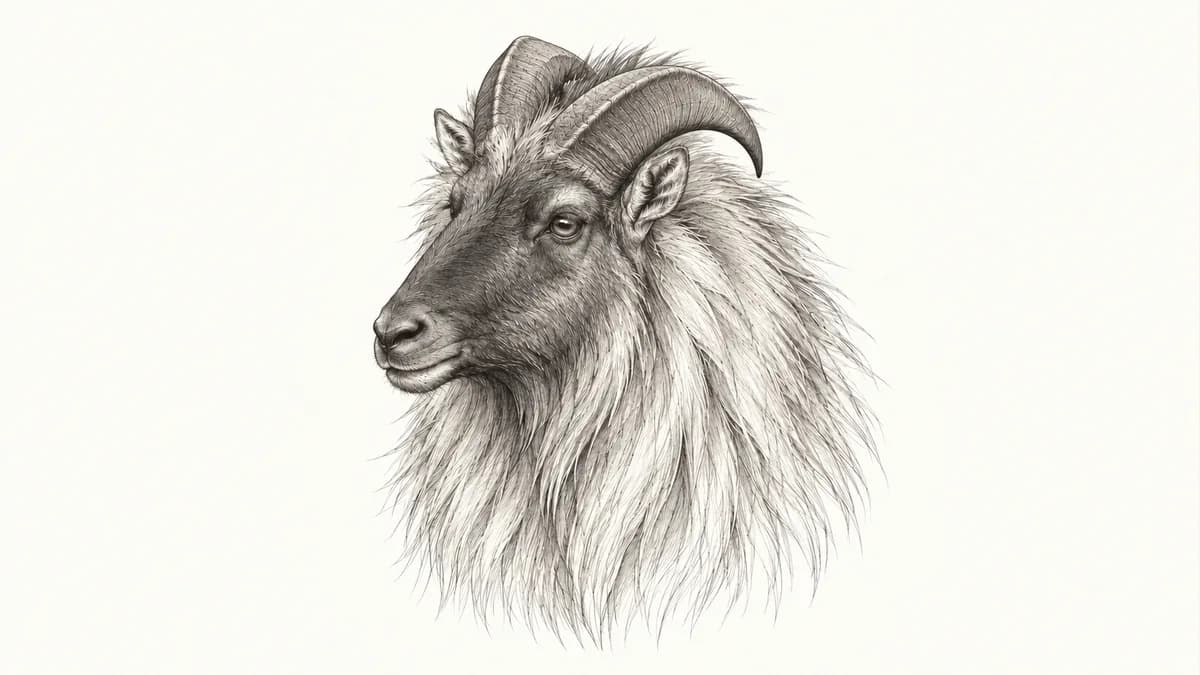
Himalayan tahr (Hemitragus jemlahicus) are big, sure-footed mountain goats with a thick winter coat and, on mature bulls, a striking blond mane. Tahr are widely regarded as the country's premier alpine trophy and are hunted hard in season by recreational hunters working steep, exposed country well above the bushline. They occupy a strip of the Southern Alps known as the tahr feral range, and DOC actively controls populations outside that range to protect alpine vegetation.
Origins & Herd History
Tahr were liberated near Aoraki/Mount Cook in 1904 from a small release of animals captured in their native Himalayan range — gifted by the Duke of Bedford from his Woburn Abbey estate, where he maintained a private herd. The original liberation was 11 animals. Further small releases through the early 1900s supplemented the herd, but the Aoraki release is the genetic foundation of the New Zealand tahr population.
By the 1930s tahr had spread north and south from Aoraki along the eastern face of the Southern Alps and over the divide into South Westland. DOC and its predecessors began controlling tahr in the 1970s, citing impacts on alpine vegetation; the current Himalayan Tahr Control Plan defines the feral range within which recreational hunting is the primary management tool, and an exclusion zone outside it where tahr are removed.
Where to Find Them
The recognised feral range runs roughly from the Rakaia River in the north to Whitcombe Pass and the headwaters of the Karangarua in the south, on both sides of the main divide. Outside this range, DOC actively removes tahr to protect alpine vegetation, so populations vary year to year and hunters should check current control status before planning a trip.
- Aoraki / Mount Cook area — historic core of the range
- Rangitata and Rakaia headwaters — accessible east-side tahr country
- Whitcombe and Karangarua catchments — south end of the feral range
- West Coast valleys (Hokitika, Wanganui, Whataroa) — bush-edge access to the tops
- Landsborough and Copland headwaters — south Westland alpine country
Behaviour & Habitat
Tahr live above the bushline, on steep tussock and rock country between roughly 1500 and 2500 metres. Nannies and juveniles form maternal mobs of 10 to 30; bulls live separately in bachelor groups outside the rut, often pushing higher into bluffs and snow grass. Tahr are gregarious and use the same feeding and bedding country year after year — a face that has held tahr in spring will usually hold them again next spring.
Diet is alpine grass, snow tussock, herbs, and broadleaf scrub at the lower end of the range. Bulls grow a heavy winter mane and lighten in colour through autumn into the rut. Tahr are exceptionally sure-footed on steep, broken country and routinely move through ground that is impassable to hunters without ropes.
Hunting Tahr
The rut runs from late May into mid July. Bulls move down off the bluffs into mixed-sex nannie mobs, growing their full winter mane, and become noticeably more visible. Cold, clear winter conditions and snow cover concentrate animals and improve glassing — but the same conditions make the country dangerous. Avalanche awareness, alpine experience, and a good plan for weather are essential.
Outside the rut, tahr are best hunted by climbing to glassing points before first light and working ridges through the day. Most public-land tahr hunting requires a free DOC permit; some catchments are managed under a block system during peak periods. DOC operates active aerial control programmes across parts of the range, including outside the formal feral range, so hunters planning a trophy hunt should review current control plans and recent surveys before booking flights or guided hunts.
Seasons & Timing
| Period | What's happening | Where it matters most |
|---|---|---|
| Late May–mid Jul | Peak rut — bulls in full mane | Rakaia, Rangitata, south Westland |
| Aug–Sep | Late winter — bulls still maned, snow cover | Best trophy condition |
| Oct–Dec | Spring — coats shedding, kids dropping | Lower-altitude work |
| Jan–Apr | Summer — bulls high, lighter coats | General permit hunting |
Trophy Notes
Bull tahr are scored on horn length and base circumference. A 12-inch bull is a solid mature trophy; 13 and 14 inches are exceptional. Mass at the bases is just as important as length on a typical New Zealand bull. The full winter mane runs from shoulder to flanks in pale gold to chocolate brown and dramatically changes a bull's silhouette. Body weight on a mature bull is around 100 to 130 kilograms; nannies are noticeably lighter and carry shorter, more upright horns.
Genuine quality on a tahr bull is the combination of horn length, base mass, and a full winter mane — a heavy-based 12-inch bull in full mane is preferred by many trophy hunters over a longer-horned but lighter-based animal taken outside the rut.
Related Species
- Chamois — share alpine country throughout the tahr range; many hunts produce both species.
- Red deer — present in the bush valleys below the tahr range; often the descent animal on a tahr trip.
- Wapiti — adjacent species in the southernmost Fiordland tahr fringe.
Regulations & Permits
A free DOC permit covers tahr hunting on public conservation land within and adjacent to the feral range. The Himalayan Tahr Control Plan defines the operational framework — DOC carries out aerial control across parts of the range to meet population density targets, and recreational hunters are recognised as a key part of the management programme. Helicopter access for hunters is permitted but subject to current concessions and operational rules.
Always check the current control status of any catchment before booking a trophy trip — heavy recent aerial control can affect both bull numbers and accessibility. The New Zealand Tahr Foundation publishes hunter-relevant updates and represents recreational interests in the management framework.
FAQ
When is the tahr rut in New Zealand? Late May through mid-July, peaking late June. Bulls grow a full winter mane during this period.
Where can I hunt tahr in New Zealand? The feral range runs from the Rakaia River in the north to the Karangarua in the south, on both sides of the Southern Alps. Canterbury and the West Coast are the two main regions.
Are tahr a pest in New Zealand? DOC manages tahr under the Himalayan Tahr Control Plan because of their impact on alpine vegetation. They are not formally classed as a pest, but populations are actively controlled outside the recognised feral range and to specified density targets within it.
How does the tahr control programme affect hunting? DOC carries out periodic aerial control across parts of the range. This can affect bull numbers and accessibility in specific catchments. Check current control status before booking trophy trips.
What rifle is best for tahr? A flat-shooting medium-to-heavy calibre — 6.5mm PRC, .270, .30-06, or .300 Win Mag. Shots are often long, at angle, and across broken ground.
Do I need a guide to hunt tahr? No — many experienced hunters do tahr trips solo or in small parties. International hunters and those new to alpine work commonly use a guide.
Can I hunt tahr in summer? Yes, but bulls have shed the mane and the country is hot and dry. Most trophy hunting concentrates on the late May to early September window.