Macropus rufogriseus, Notamacropus eugenii, Notamacropus parma
Wallaby
See Wallaby range on the map
View where Wallaby are found across New Zealand
Overview
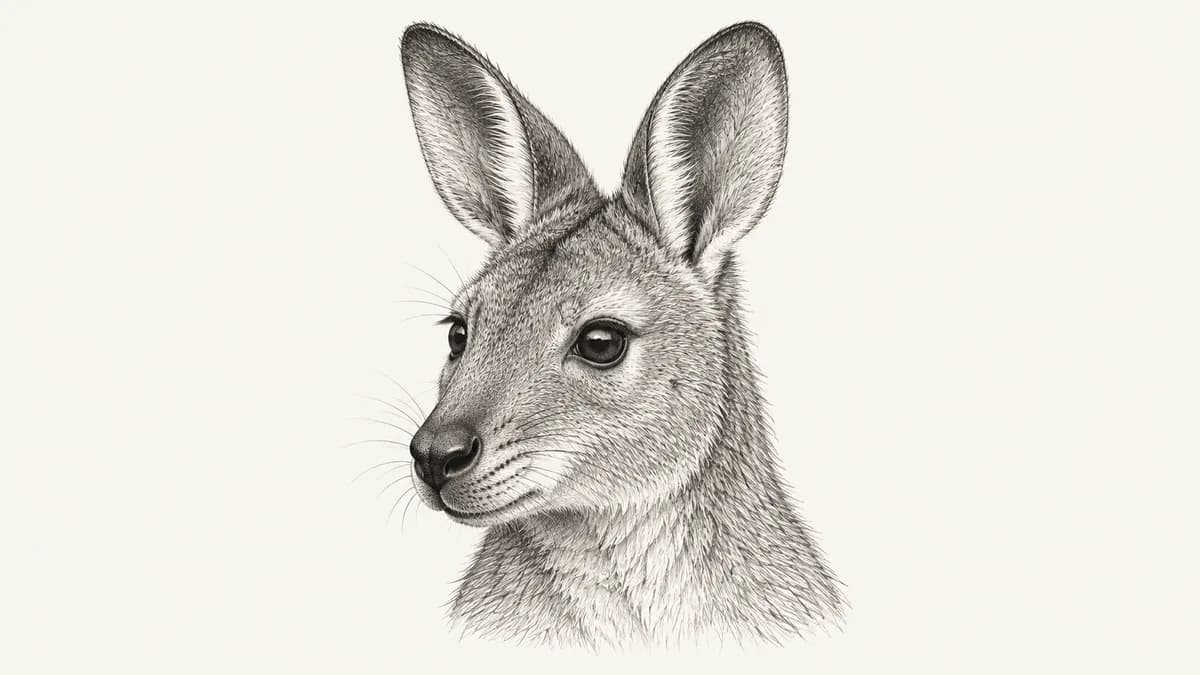
Three species of wallaby are established in the wild in New Zealand, all classed as pests under regional pest management plans: Bennett's wallaby (Macropus rufogriseus) in the South Island, and dama wallaby (Notamacropus eugenii) and parma wallaby (Notamacropus parma) in the central North Island. All three trace back to releases on Kawau Island and the South Canterbury foothills in the late 1800s. Populations have expanded steadily, and councils now operate active control programmes — recreational hunters are an increasingly important part of those programmes.
Origins & Herd History
Sir George Grey released wallabies on Kawau Island in the Hauraki Gulf during the 1860s and 1870s as part of his private menagerie. From Kawau the smaller species — dama (then known as silver-grey or tammar wallaby) and parma — spread to the mainland on rafts of driftwood and via deliberate translocation. The dama population around Rotorua and the western Bay of Plenty traces directly to those Kawau animals.
Bennett's wallaby were released in South Canterbury in the late 1870s by the Hon. Robert Campbell on the Waimate hills. The original animals came from Tasmania. The South Canterbury population has spread steadily north and south from Waimate and is now expanding into North Otago and the Mackenzie Basin. Live movement of wallabies between regions has been illegal since the National Pest Management Plan came into force.
Where to Find Them
The three species occupy quite different ranges and do not overlap. Bennett's are the largest and are confined to the South Island; the two smaller species share parts of the central North Island around Rotorua and the Bay of Plenty.
- Bennett's wallaby — South Canterbury foothills from the Waitaki north to the Rangitata, Hunter Hills, expanding west into the Mackenzie Basin and south into North Otago
- Dama wallaby — Rotorua lakes district and surrounding Bay of Plenty bush margins
- Parma wallaby — Kawau Island and small populations on the central North Island mainland
Behaviour & Habitat
All three species are crepuscular and nocturnal — most active at dawn, dusk, and through the night. They use a mix of pasture, scrub, regenerating bush, and forestry, with mobs of 5 to 20 forming in good feeding country. Daily movement is short — wallabies will use the same scrub bedding and pasture feeding ground night after night.
Diet is grass-dominant with significant browse on regenerating bush. Bennett's are the largest of the three and have the strongest impact on pasture; dama and parma are smaller and impact regenerating bush more than pasture. Reproduction is rapid — wallabies carry a permanent embryo in diapause and can produce a joey every six months in good conditions.
Hunting Wallabies
Wallabies are most active at dawn, dusk, and through the night. Daylight hunting works best on cool, overcast days when animals stay out feeding on pasture, scrub edges, and forestry openings. Spotlighting and thermal-assisted night hunting are widely used, particularly under landowner arrangements and council-funded operations. Wallabies are small, low targets at ranges of 80 to 200 metres, so a flat-shooting rimfire or light centrefire suits most situations.
Public conservation land use requires a free DOC permit. Regional councils — in particular Environment Canterbury and the Bay of Plenty Regional Council — publish maps of containment zones and high-priority control areas where hunters are actively encouraged. Movement of live wallabies is prohibited under the National Pest Management Plan; carcasses must not be transported outside containment zones in ways that could spread the species.
Seasons & Timing
| Period | What's happening | Notes |
|---|---|---|
| Year-round | Continuous breeding | Hunt opportunistically |
| May–Sep | Cooler months — wallabies feed longer in daylight | Best daylight hunting |
| Oct–Apr | Warm months — strictly dawn, dusk, and night | Spotlight or thermal |
Trophy Notes
Wallabies are not hunted as classic trophy animals — there is no antler or horn growth. Pelts from Bennett's wallaby can be tanned and produce attractive, durable hides. The meat is lean and well-regarded; many hunters process whole hindquarters as steaks and use the rest for sausage or pet food. A mature Bennett's wallaby weighs 15 to 25 kilograms; dama and parma are noticeably smaller at 4 to 7 kilograms.
The largest mature Bennett's bucks carry distinctive grey-brown coats with rufous shoulders and a black face mask. A clean, well-handled pelt is the closest thing to a wallaby trophy and is increasingly used in NZ-made garments and homewares.
Related Species
- Wild goat — companion pest species in many of the same areas, often hunted on the same trips.
- Wild pig — overlap with Bennett's wallaby in the South Canterbury hill country.
Regulations & Permits
A free DOC permit is required for any wallaby hunting on public conservation land. Live movement of wallabies between regions is illegal under the National Pest Management Plan; movement of carcases or parts outside containment zones is subject to regional council rules — check with the relevant council before transporting animals.
Spotlighting on conservation land is generally not permitted. Spotlighting and night hunting on private land is at the landowner's discretion and is the most effective method for high-volume control. Bennett's wallabies are classed as a pest under the Canterbury and Otago regional pest management plans; dama and parma under the Bay of Plenty plan. Council-funded control programmes and hunter-supported operations are run periodically in priority areas.
FAQ
Where can I hunt wallabies in New Zealand? South Canterbury and North Otago (Bennett's), and the Rotorua and Bay of Plenty area (dama and parma). They are pest species and hunting is encouraged in those areas.
Are wallabies a pest in New Zealand? Yes — all three established species are classed as pests under regional pest management plans because of damage to pasture, regenerating bush, and forestry.
Can I move a live wallaby? No — live movement is illegal under the National Pest Management Plan. Carcase movement is regulated by regional council rules outside the containment zones.
What rifle is best for wallabies? A flat-shooting rimfire (.22 LR or .22 WMR) or light centrefire (.222, .223, .22-250). Shots are typically 50 to 200 metres on small, low targets.
Is spotlighting legal for wallabies? On private land, yes — subject to landowner permission and regional council rules. On public conservation land, spotlighting is generally not permitted.
Is wallaby meat any good? Yes — lean, fine-grained, and mild. Hindquarter steaks and sausage are the most common preparations.
How big is a Bennett's wallaby? A mature buck weighs 15 to 25 kilograms. Dama and parma are smaller (4 to 7 kilograms).